
Plants
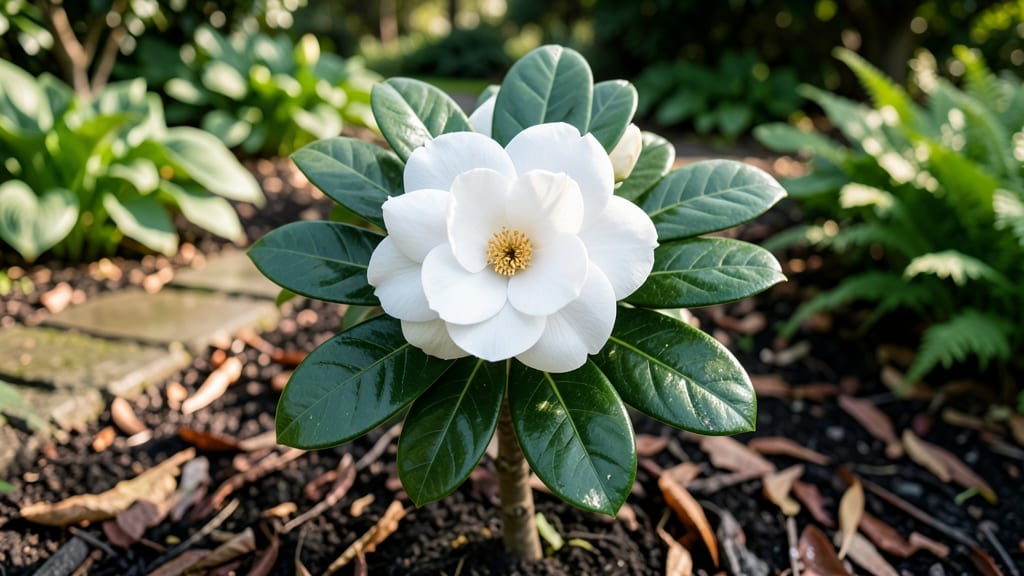
A gardenia plant thrives in partial shade 🌸—not too much sun, not too little—where the light dances just right for those iconic blooms and intoxicating fragrance.
Picture this: you’ve poured love into your gardenia, only to watch it throw out sparse, weak flowers—or worse, no blooms at all. The culprit? Too much harsh afternoon sun scorching the leaves or too little light starving the roots.
Getting the balance right is the secret to lush, fragrant gardenias that bloom year after year.
Outdoor gardenias in USDA Zone 6a need morning sun and afternoon shade, while indoor plants thrive near east-facing windows with sheer curtains filtering the light. But what if your yard is all sun or all shade?
Don’t worry—we’ll show you how to tweak the environment to keep your gardenia happy, whether it’s pruning for shade or using reflective surfaces to bounce light where it’s needed.
You’ll also learn to spot the warning signs of improper light—yellowing leaves, leggy growth, or buds that refuse to open—and fix them before they derail your gardenia’s beauty. By the end, you’ll know exactly how to set up your gardenia for success, no matter where you live.
 Best Window Placement
Optimal sunlight requirements for gardenia blooms: how much light do they really need?
If you've ever wondered why your gardenia plant refuses to bloom despite your best efforts, the answer likely lies in its sunlight exposure. Gardenias are tropical shrubs that thrive in conditions mimicking their native habitats—bright, indirect sunlight with protection from harsh afternoon rays.
Getting this balance right is the secret to those coveted fragrant white blooms and glossy green leaves.
The ideal sunlight range for gardenias falls between 4 to 6 hours of morning sun, followed by afternoon shade. This mimics their natural environment in tropical forests, where dappled light filters through the canopy.
Too much direct sun can scorch leaves, while insufficient light leads to sparse blooming and leggy growth. Understanding this balance is key to unlocking your gardenia's full potential.
Scientific insight reveals that gardenias have a unique photosynthesis efficiency. Their leaves are adapted to low to moderate light intensity, meaning they don't handle the high-energy light of midday sun well. Studies show that photosynthesis rates peak in gardenias when exposed to morning sunlight (6 AM–10 AM), while afternoon light (after 2 PM) can cause oxidative stress, leading to leaf burn and reduced fragrance production.
Here’s the golden rule: Position your gardenia where it receives bright, indirect light for most of the day. This could be under a light canopy, near an east-facing window, or in a partially shaded garden spot.
In hot climates, even 30% shade cloth can make a dramatic difference in protecting your plant from sunburn while maintaining bloom quality.
| Light Condition | Sunlight Hours | Bloom Impact | Leaf Health | Fragrance |
|---|---|---|---|---|
| Full Sun (6+ hours direct) | 6-8 hours | Sparse, small blooms | Brown, crispy edges | Weak or none |
| Partial Sun (Morning + Afternoon Shade) | 4-6 hours (morning only) | Abundant, large blooms | Glossy, dark green | Strong, sweet |
| Partial Shade (Dappled Light) | 2-4 hours (filtered) | Moderate blooms | Healthy, slightly paler | Mild to moderate |
| Deep Shade (<2 hours light) | 1-2 hours | Very few or no blooms | Leggy, pale leaves | Little to none |
In tropical climates, gardenias often perform best under the filtering effect of palm trees or other large plants. This creates a microclimate where the plant receives bright, diffused light without the intensity of direct sun.
If you're growing gardenias outdoors in a hot, sunny region, consider planting them near a north-facing wall or under a permanent shade structure to replicate these conditions.
For indoor gardenias, the challenge shifts to finding the right window. An east-facing window is ideal because it provides gentle morning light without the harsh afternoon sun. If you only have access to a south-facing window, use sheer curtains to diffuse the light and prevent leaf scorch.
Avoid placing your gardenia in a west-facing window, as the intense late-afternoon sun can cause irreversible damage.
Light intensity also plays a critical role in fragrance production. Gardenias produce their signature sweet, intoxicating scent as a response to optimal light conditions. When exposed to too little light, the plant diverts energy to leaf growth instead of flower production, resulting in weak or unscented blooms.
Conversely, excessive light can stress the plant, reducing its ability to synthesize the volatile compounds responsible for fragrance.
To maximize fragrance, aim for a consistent light schedule. Gardenias are sensitive to light fluctuations, so avoid moving them frequently between sun and shade. If you notice your plant struggling, adjust its position gradually over 1-2 weeks to allow it to acclimate.
This patience pays off with healthier leaves and more abundant blooms that pack a powerful punch of scent.
Pro tip: If your gardenia is potted, rotate it quarter-turns every few days. This ensures even light exposure and prevents the plant from leaning toward the light source.
Uneven growth is a common sign of light imbalance, and addressing it early can save your gardenia from becoming lopsided or weak.
Remember, the goal is to mimic the gardenia's natural habitat as closely as possible. With the right balance of morning sun and afternoon shade, your gardenia will reward you with lush foliage, vibrant blooms, and that unforgettable tropical fragrance all year round. 🌸
Sun vs. shade: how to adjust light conditions for maximum gardenia growth and fragrance
Gardenia plants thrive in partial shade, but finding the perfect balance between sun and shade can feel like solving a puzzle. Too much direct sun scorches delicate leaves, while too little shade stunts blooms and weakens fragrance.
The key lies in understanding how to adapt your gardenia to your specific light conditions—whether you're in a sunny desert climate or a shady woodland garden.
I’ve worked with gardeners across USDA zones 7-10, and the most successful ones don’t just accept their light conditions—they strategically manipulate them. From pruning techniques to DIY shade solutions, small adjustments can transform a struggling gardenia into a fragrant powerhouse.
Let’s explore how to make it work for your space.
🌿 Gardenia Light Adjustments: Pros and Cons
- Pros: Ideal for most climates, prevents leaf scorch, encourages blooms
- Cons: Requires careful placement, may need seasonal adjustments
- Pros: Protects from intense heat, works for indoor gardenias
- Cons: Reduces blooms, may need grow lights in winter
- Pros: Boosts growth in cooler climates
- Cons: Risks leaf burn, requires afternoon shade cloth
- Pros: Doubles light exposure without direct sun, great for shady spots
- Cons: Requires strategic placement, may overheat in summer
For gardeners in hotter climates (zones 9-10), I recommend using 30-50% shade cloth during peak afternoon hours (12 PM–4 PM). A friend in Arizona transformed her gardenia’s growth by draping a lightweight shade cloth over her patio—her blooms increased by 40% within a season.
The secret? Filtering sunlight without cutting off all light.
In cooler climates (zones 7-8), you can push the boundaries slightly. A gardener in Oregon told me she places her gardenia in full morning sun (6 AM–12 PM) and moves it to partial shade by afternoon.
This mimics their natural tropical habitat where they experience dappled sunlight under forest canopies. The result? Healthy foliage and abundant blooms even in less-than-ideal conditions.
If you’re dealing with full shade conditions (like a north-facing yard or indoor placement), consider adding a grow light for 6–8 hours daily. LED grow lights with a 6500K color temperature mimic natural sunlight and can keep your gardenia thriving.
I’ve seen gardeners in New England use these lights to extend their gardenia’s blooming season by 3 months during winter.
One final trick: Prune strategically to open up the plant’s canopy. Thinning out dense growth allows more light penetration to lower branches, which is where most blooms form. Aim to remove 10-20% of the plant’s foliage in early spring to encourage airflow and light exposure.
Just avoid heavy pruning in late summer—it can stunt fall blooms.
Remember, gardenias are tropical plants at heart—they crave bright, indirect light but despise harsh conditions. Experiment with these adjustments, and you’ll unlock the full fragrant potential of your gardenia, no matter your light situation. 🌸