
Plants
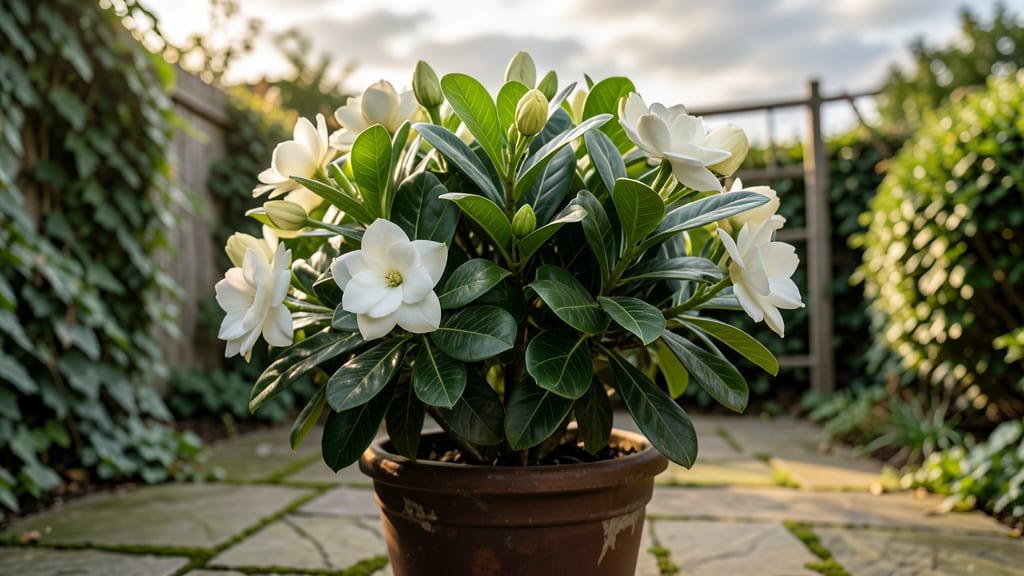
Gardenia plants get anywhere from 1 to 6 feet tall, depending on the variety and growing conditions—so choosing the right one for your space is everything.
Imagine this: You’ve spent months nurturing your gardenia 🌸, only to realize it’s outgrown its spot before it even blooms.
That’s why knowing the mature size of your gardenia is the key to planning where it goes—whether it’s a compact dwarf for a patio or a towering shrub for a backyard border.
Some varieties, like the popular Gardenia jasminoides, can reach 4 to 6 feet tall with a spread of 3 to 5 feet, while others stay under 3 feet—perfect for containers or small gardens.
The difference often comes down to pruning, sunlight, and soil, which means you can tweak their growth to fit your space.
Below, I’ll break down the exact sizes of the most common gardenia types, how to control their growth, and even which companion plants pair best with their fragrant blooms—so you can design a garden that works for both you and your gardenia.
Mature gardenia plant sizes by popular variety (with height & spread guide)
Choosing the right gardenia variety depends on your space—whether you have a sprawling backyard or a cozy balcony. Gardenias can range from compact shrubs under 3 feet to towering 6-foot giants, each with its own growth habits and fragrance intensity.
The most popular types, like Gardenia jasminoides, often reach 4-6 feet tall with a similar spread, making them perfect for hedges or privacy screens.
If you're working with limited space, dwarf varieties like Gardenia radicans or Gardenia augusta stay under 2-3 feet, thriving in containers or small garden beds. Their slower growth rate also means less pruning, which is great for beginners.
Meanwhile, climbing gardenias like Gardenia thunbergia can stretch 10+ feet if given trellis support, adding vertical interest to your garden.
| Variety | Mature Height | Mature Spread | Growth Rate | Best For |
|---|---|---|---|---|
| Gardenia jasminoides | 4-6 ft | 4-6 ft | Moderate | Hedges, privacy screens |
| Gardenia augusta | 2-3 ft | 2-3 ft | Slow | Containers, small gardens |
| Gardenia radicans | 1-2 ft | 2-3 ft | Very slow | Balconies, window boxes |
| Gardenia thunbergia | 10+ ft (with support) | 3-5 ft | Fast (climbing) | Trellises, pergolas |
| Gardenia fortuniana | 3-5 ft | 3-4 ft | Moderate | Foundation plantings |
| Gardenia florida | 5-7 ft | 5-6 ft | Moderate | Large landscapes |
| Gardenia taitensis | 2-4 ft | 3-4 ft | Slow | Tropical gardens, containers |
| Gardenia resinifera | 6-8 ft | 6-8 ft | Fast | Specimen plants, large yards |
For container gardening, prioritize dwarf varieties like Gardenia radicans or Gardenia augusta, which stay under 2 feet tall. These thrive in 15-20 gallon pots with proper drainage, making them ideal for patios or decks.
Just remember—larger pots mean slower growth, so choose a container that matches your space constraints.
If you're planning a hedge or privacy screen
How growing conditions affect gardenia size (sun, soil, pruning tips)
Your gardenia’s mature size isn’t set in stone—it’s shaped by the conditions you provide. Sunlight exposure, soil quality, and pruning techniques can turn a 6-foot shrub into a compact 3-foot specimen or let it reach its full towering potential.
Understanding these factors helps you control growth, whether you’re working with a container garden or a backyard landscape.
For example, my Gardenia jasminoides thrived in partial shade but grew leggy and sparse when moved to full sun. The same variety in acidic, well-draining soil bloomed abundantly, while the same plant in heavy clay struggled to reach its mature height.
Small adjustments in care can make a big difference in how your gardenia shapes up over time.
- 1
- 2
- 3
- 4
If you’re growing gardenias in containers, size control becomes even easier. My dwarf varieties like 'Kleim’s Hardy' stay under 3 feet tall when pruned regularly and kept in 10-15 gallon pots.
The key is balancing root space with pruning frequency—overcrowded roots slow growth, while aggressive pruning can spur bushier, denser foliage.
For in-ground gardenias, focus on soil preparation first. Amend your soil with compost and organic matter to improve drainage and nutrient availability.
I once had a gardenia that refused to grow taller than 2 feet until I added sulfur to lower the pH—once the soil was right, it shot up to 4 feet in a single season!
Pruning isn’t just for shaping—it’s a tool to control height. Light pruning (removing spent blooms) keeps plants tidy, while structural pruning (cutting back 1/3 of the oldest stems) encourages new growth. Timing matters too: prune right after blooming to avoid cutting off next year’s flower buds.
Remember, gardenias are slow growers—don’t expect dramatic changes overnight. With the right conditions, you can guide your plant to stay compact, sprawling, or tall, all while enjoying those intoxicating blooms year after year. 🌸