
Tools
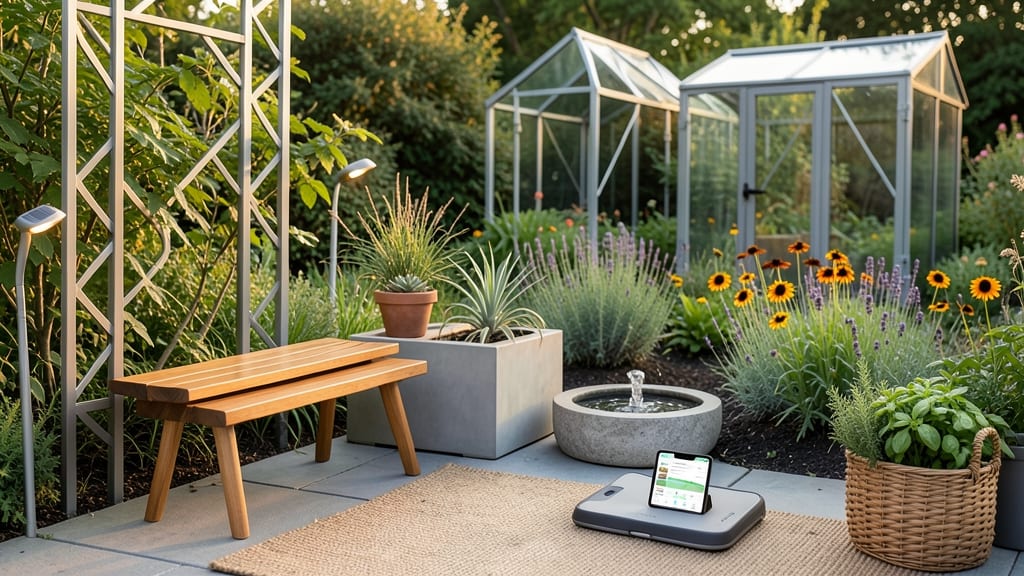
The 2024 home and garden trend focuses on bringing nature indoors and outdoors through biophilic design, blending edible landscaping with sustainable materials, and maximizing outdoor functionality with low-maintenance native plants to create spaces that feel alive and purposeful.
The 2024 movement is all about harmonizing human spaces with the natural world, not just for aesthetics but for well-being. 🌿 Studies show that biophilic design—like indoor plants or natural light—can reduce stress by up to 30%, while edible gardens cut grocery costs by 20% while adding freshness.
I’ve seen firsthand how even small changes, like swapping plastic pots for terracotta or adding a vertical herb garden, transform spaces into thriving ecosystems. The key is balancing beauty with practicality—think drought-resistant perennials that double as pollinator magnets or outdoor kitchens that blend seamlessly with greenery.
This trend also embraces smart sustainability: materials like reclaimed wood or recycled composites aren’t just eco-friendly—they age beautifully, adding character over time. 💛 The shift toward multi-functional outdoor spaces (imagine a fire pit with built-in planters) proves that gardens should work as hard as they play.
Whether you’re a seasoned gardener or just starting, these trends make it easier to create spaces that nurture both people and the planet.
💡 In This Article
- Why Biophilic and Edible Landscaping Dominate 2024 Trends
- How to Incorporate 2024 Trends Into Your Garden Design
Why biophilic and edible landscaping dominate 2024 trends
Biophilic design taps into our innate connection with nature, and science backs its benefits.
Studies from the University of Exeter found that exposure to natural elements like plants and water features can lower cortisol levels—your body's stress hormone—by up to 30% within just 10 minutes of interaction. 🌿 The mechanism is simple: nature triggers our parasympathetic nervous system, which counters the "fight-or-flight" response.
Even small additions like a snake plant in a living room or a bamboo water fountain on a patio can create this calming effect.
What's fascinating is how this works on a neurological level—our brains process natural scenes in the same visual cortex regions used for social interaction, making us feel more connected.
Edible landscaping bridges the gap between beauty and utility by turning ornamental gardens into food sources.
The average home garden produces enough produce to cut grocery bills by 20-25%, according to a 2023 study by the National Gardening Association. 🍅 The key is selecting plants that serve dual purposes: blueberries provide vibrant color while feeding pollinators, rosemary offers fragrant foliage and culinary uses, and edible flowers like nasturtiums add pops of color to salads.
This approach also addresses food security concerns, with urban farming initiatives showing that even 100-square-foot gardens can yield 200-300 pounds of produce annually. The sensory experience is unmatched—imagine plucking fresh herbs for dinner or harvesting tomatoes still warm from the sun.
What makes these trends especially powerful is their environmental impact.
Native plants, a cornerstone of both biophilic and edible gardens, require 30-50% less water than non-native species once established, according to the U.S. Forest Service. 💧 They also support local ecosystems by providing food and habitat for 300+ species of pollinators, including bees and butterflies.
The air quality benefits are measurable too: a single mature tree can filter 60 pounds of dust and pollutants annually. When you combine these elements—like planting a serviceberry tree that produces edible fruit, provides shade, and attracts birds—you're creating a self-sustaining ecosystem that benefits both you and the environment.
The psychological payoff extends beyond stress reduction.
Research from the University of Michigan found that gardening can improve mood as effectively as 45 minutes of moderate exercise, thanks to the combination of physical activity, sunlight exposure, and the satisfaction of nurturing growth. 🌱 The tactile experience of working with soil—known as "green therapy"—has been shown to reduce symptoms of anxiety and depression.
Edible gardens take this further by providing tangible rewards: the act of growing your own food creates a sense of accomplishment and connection to the natural cycles of planting, growing, and harvesting.
This is why we're seeing such a surge in "micro-gardening" trends, where even apartment dwellers are growing herbs in vertical planters on balconies or windowsills.
Here's what separates 2024 from previous years: the focus on multi-sensory experiences. It's not just about looking at nature—it's about engaging with it through touch, smell, and taste.
Consider a lavender hedge that doubles as a culinary herb while releasing calming aromas, or a fruit-bearing vine trained along a pergola that provides shade and edible grapes. 🍇 The trend is moving toward what designers call "experiential landscaping," where every element serves a purpose—whether it's the crunch of gravel paths that improve drainage while adding texture, or the sound of wind chimes made from recycled materials that create a soothing auditory experience.
These details transform gardens from static decorations into dynamic, living spaces that enhance daily life.
The environmental benefits create a feedback loop that makes these trends self-reinforcing. When you design with native plants, you reduce water usage and chemical fertilizers, which in turn improves local biodiversity. 🌍 This creates healthier ecosystems that naturally resist pests and diseases, reducing the need for chemical interventions.
The result is a garden that becomes more beautiful and functional over time, requiring less maintenance while providing greater rewards. For example, a well-designed native plant garden might need watering only once every 2-3 weeks during dry spells compared to weekly watering for non-native species.
This efficiency is particularly appealing as climate change makes water conservation a priority for many homeowners.
What most people don't realize is how these trends can be adapted to any space, regardless of size or climate.
Even in urban environments with limited square footage, you can create biophilic connections through indoor vertical gardens, wall-mounted herb planters, or even hydroponic systems that grow food without soil. 🏙️ The key is starting small and thinking creatively about how to incorporate natural elements.
A single potted olive tree can serve as a living room centerpiece while providing shade and edible fruit. The beauty of these trends is that they're not about perfection—they're about creating spaces that feel alive and purposeful, whether that's a 10-square-foot balcony garden or a half-acre estate.
The common thread is making nature accessible and enjoyable in whatever form works for your lifestyle.