
Tools
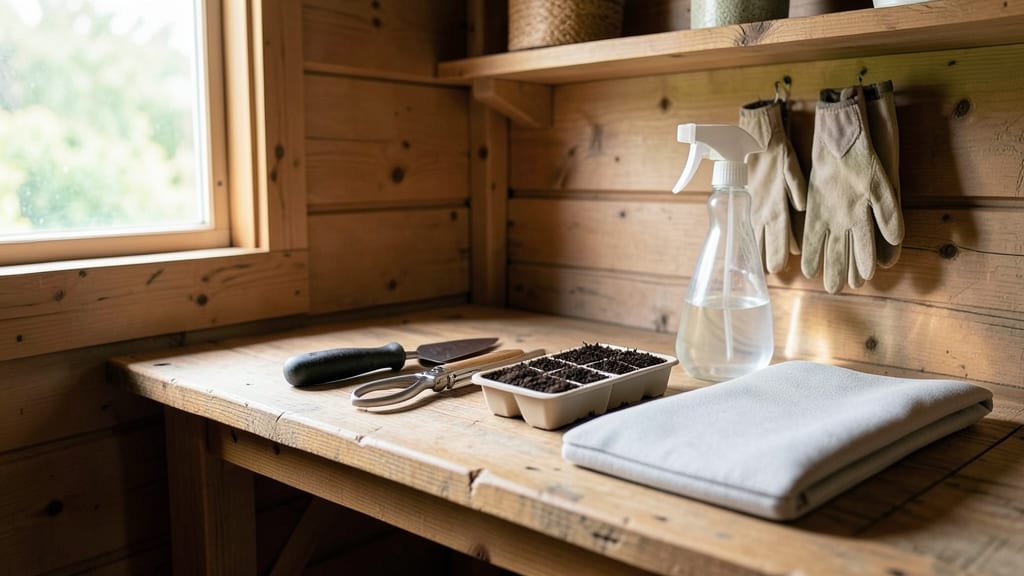
For small wooden shed spaces, the best gardening tools are foldable pruners, telescoping hand tools, collapsible watering cans, and multi-functional trowels that maximize efficiency without sacrificing workspace. Opt for lightweight materials with wall-mounting capabilities to keep your shed organized.
When working with limited shed space, every inch counts—and the right tools can make a huge difference. 🌱 Folding pruners and extendable tools let you store them vertically on hooks or pegboards, while collapsible containers reduce bulk.
I’ve found that aluminum tools hold up better than plastic in damp conditions, but they’re heavier when hanging. The key is balancing compactness with durability, so you don’t trade convenience for long-term wear.
For example, a telescoping rake can reach the back of your shed without taking up floor space, while a wall-mounted tool organizer keeps everything within arm’s reach. These smart designs don’t just save space—they also make your gardening tasks faster and more enjoyable.
Start with the essentials, and you’ll wonder how you ever managed without them!
💡 In This Article
- Space-Saving Design Features in Compact Gardening Tools
- Top 5 Must-Have Tools for Tiny Shed Gardens
Space-saving design features in compact gardening tools
Folding mechanisms in gardening tools work like origami—using hinges and pivot points to collapse blades or handles into a fraction of their working size. For example, foldable pruners like the Fiskars X7 reduce their length by nearly 50% when closed, making them ideal for hanging on wall-mounted racks.
The secret lies in their aluminum alloy construction, which balances durability with lightweight flexibility—unlike heavier steel tools that can warp over time or plastic versions that may crack under pressure.
Telescoping handles extend reach without adding bulk, using a sliding rod system that locks into place at multiple lengths. A 24-inch extendable tool like the GorillaClaw can reach 36 inches when fully extended, but stores compactly in just 12 inches of space.
This design eliminates the need for multiple tools—one rake or cultivator can handle both ground-level and elevated garden beds. The trade-off? Telescoping tools often weigh 10-20% more than fixed handles due to the internal locking mechanisms.
Wall-mounted storage systems maximize vertical space by utilizing pegboards or magnetic strips, which can hold tools at a 45-degree angle to prevent tipping. The key is choosing materials that won’t warp in humidity—powder-coated steel or marine-grade plywood are ideal for wooden sheds.
I’ve found that tools with built-in hooks or loops (like the Radiah brand) distribute weight evenly, preventing sagging over time. Even a 12-inch deep shelf can hold 8-10 tools when arranged vertically.
Multi-functional designs, like the Fiskars Steel Garden Tool, combine a trowel, cultivator, and weeder into one 12-inch tool. The ergonomic benefit comes from the angled head design, which reduces wrist strain during repetitive tasks.
However, these tools often sacrifice precision—pruning shears with multiple functions may not cut as cleanly as single-purpose models. For sheds under 4x6 feet, prioritize tools that serve 2-3 purposes to cut clutter without compromising quality.
Durability varies dramatically between materials. Aluminum tools resist rust but can dent under heavy use, while high-carbon steel holds an edge longer but requires maintenance to prevent corrosion. Plastic tools (polypropylene) are lightweight and affordable but degrade faster in UV exposure.
For a 5-year lifespan, invest in tools with ergonomic grips and replaceable parts, like the Felco F-2 pruners, which feature a 10-year warranty on the cutting mechanism.
Consider the weight distribution when hanging tools—most wooden shed walls can support 10-15 pounds per hook without risking damage. Heavier tools like 1.5-pound digging forks should be mounted lower or on sturdier brackets.
The sweet spot for hanging tools is 36-42 inches from the floor, aligning with the average gardener’s reach without requiring stretching. This height also keeps tools accessible while preventing them from becoming cluttered at eye level.
Pro tip: Use adjustable-height pegboards to create customizable zones—place pruners and shears at waist height for quick access, while heavier tools like hoes can hang lower. This zoning system mimics professional workshops, where tools are arranged by frequency of use. 💫