
Size
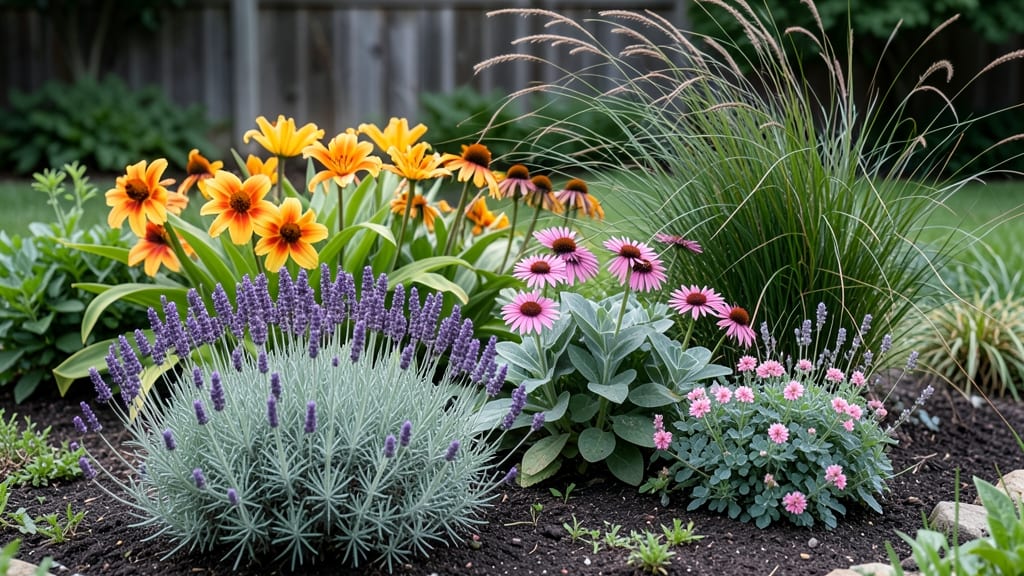
The average size of a home garden ranges from 100 to 400 square feet, depending on space constraints and plant types—vegetables typically need 100–200 sq ft, while fruit trees or large shrubs expand that to 500+ sq ft for full yards.
Most home gardens fall into this range because they prioritize practicality over expansive layouts. 🌱 For example, a 10x10-foot plot (100 sq ft) can easily grow enough tomatoes, lettuce, and herbs for a small family, while adding a few fruit trees or berry bushes might push you to 200–300 sq ft.
Urban gardeners often work with even smaller spaces—think 25–50 sq ft for container gardening or vertical towers. The key is matching your garden's footprint to what you want to grow, whether that's fresh herbs, a few vegetables, or a mix of flowers and shrubs.
What's interesting is how layout impacts usability. A 400 sq ft garden can feel cramped if laid out in a single long row, but the same space becomes far more manageable with raised beds or square-foot grids.
I've seen suburban gardens stretch to 500+ sq ft when they include fruit trees or large shrubs, but those require careful planning to avoid overcrowding. The real magic happens when you combine smart spacing with multi-season planting—like using the same bed for early spring greens, summer tomatoes, and fall kale.
💡 In This Article
- How Garden Size Varies by Plant Type and Layout
- Maximizing Small Spaces: Compact Garden Design Tips
How garden size varies by plant type and layout
Vegetables are the most space-efficient garden staples, with leafy greens like lettuce and spinach thriving in just 1 square foot per plant.
Root vegetables such as carrots and radishes need slightly more—about 2-3 square feet—while vining plants like cucumbers or pole beans require 3-5 square feet for their sprawling habits.
Tomatoes, whether determinate (bush) or indeterminate (vining), typically need 2-4 square feet each, but staking or trellising can reduce their footprint by up to 50%. 🌱 The key is matching plant spacing to their mature size, not their seedling dimensions.
Herbs and flowers offer more flexibility, with many thriving in 1-2 square feet per plant. For example, basil and parsley can grow happily in 1 square foot, while larger perennials like lavender or rosemary need 2-3 square feet to establish strong root systems.
Flowers like marigolds or zinnias are even more forgiving, often content with 1 square foot or less.
The real space hogs in home gardens are fruit trees and large shrubs—an apple tree might need 20-30 square feet of cleared space for proper airflow, while blueberry bushes require 4-6 square feet each. These permanent plants dictate the upper limits of garden size.
Layout dramatically alters how usable your garden feels. In-ground gardens often sprawl because they rely on wide rows (typically 3-4 feet wide for accessibility), which can make a 400 sq ft plot feel cramped.
In contrast, raised beds—usually 4x8 feet (32 sq ft)—create defined growing zones that maximize every inch. Square-foot gardening takes this further by dividing beds into 1x1-foot grids, allowing you to customize plant density.
For urban gardeners, container gardening is a game-changer: a single 5-gallon pot can grow herbs or dwarf vegetables, while vertical towers (like wall-mounted planters) turn walls into productive space. 🏙️ The difference between a chaotic sprawl and an efficient layout often comes down to how you organize your growing zones.
Urban vs. suburban spaces present distinct challenges. A city balcony might offer only 10-20 square feet for gardening, forcing reliance on containers and vertical solutions.
Meanwhile, suburban yards can stretch to 500+ square feet when they include fruit trees, berry patches, and large shrubs—but this requires long-term planning to avoid overcrowding.
The sweet spot for most home gardens lies between 200-400 square feet, where you can balance vegetables, herbs, and a few decorative plants without sacrificing accessibility.
What most people overlook is how vertical space can double your growing capacity: trellises, hanging baskets, and tiered planters turn unused walls and fences into productive real estate.
Soil quality and sunlight also influence effective garden size. A 100 sq ft plot in full sun can produce more than a 200 sq ft garden in partial shade, depending on plant choices. For instance, sun-loving tomatoes will yield poorly in shaded beds, while leafy greens might thrive there.
The same logic applies to soil depth: raised beds with 12+ inches of rich compost can grow more densely than shallow in-ground soil. 🌿 This is why some urban gardeners achieve impressive yields in small spaces—by optimizing light, soil, and plant selection rather than just expanding square footage.
Consider this real-world example: A 10x10-foot (100 sq ft) raised bed can grow:
- 16 tomato plants (4x4 grid, 2 sq ft each)
- 9 lettuce plants (3x3 grid, 1 sq ft each)
- 4 basil plants (2x2 grid, 1 sq ft each)
- 1 cucumber vine (trellised, 4 sq ft)