
Tools
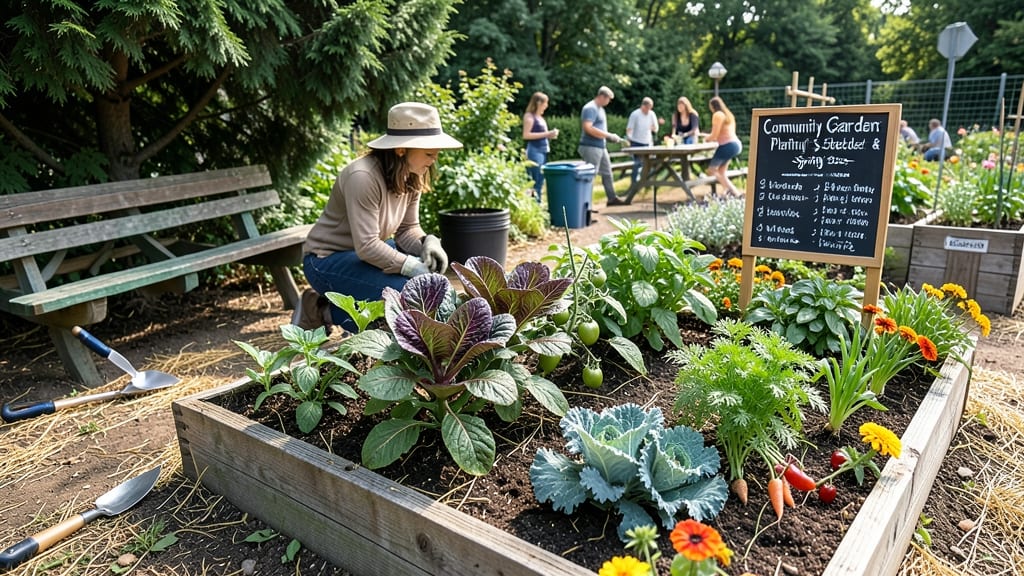
The Hayward Community Garden offers affordable gardening plots, shared gardening tools and irrigation systems, educational workshops on eco-friendly techniques, and networking with experienced local gardeners. Applications open annually in late winter and can be completed online or in person.
This urban gardening initiative transforms empty spaces into thriving green areas while keeping costs low for residents. 🌱 Members gain access to everything from composting programs to seasonal planting guides, making it easier to grow fresh produce even in small spaces.
The garden also hosts hands-on workshops covering everything from pest control to soil enrichment, helping both beginners and seasoned gardeners refine their skills.
What sets this program apart is its focus on community collaboration—experienced members often mentor newcomers, and shared resources like raised beds and irrigation systems reduce individual costs.
The application process is straightforward but competitive, so preparing a clear garden plan in advance can improve your chances of securing a preferred plot.
💡 In This Article
- How Hayward Community Garden Benefits Local Plant Growth and Learning
- Step-by-Step Guide to Applying for a Hayward Community Garden Plot
How hayward community garden benefits local plant growth and learning
The Hayward Community Garden transforms urban spaces into productive growing areas by providing access to high-quality soil amendments like compost and worm castings.
These organic materials boost soil fertility by adding essential nutrients—like nitrogen, phosphorus, and potassium—while improving drainage and moisture retention. 🌱 Studies show that compost-enriched soil can increase plant growth rates by up to 30% compared to untreated soil, making it easier to cultivate healthy vegetables, herbs, and flowers even in challenging urban environments.
Shared irrigation systems ensure consistent watering, which is critical for plant health. The garden uses drip irrigation lines that deliver water directly to plant roots, reducing evaporation and runoff while delivering 1-2 gallons per hour per zone.
This precision watering prevents over-saturation or drought stress, both of which can stunt plant growth or attract pests. Members also benefit from community-led pest control programs that use natural predators like ladybugs and beneficial nematodes, reducing the need for chemical pesticides by 80% or more.
Seasonal workshops cover everything from seed starting to advanced composting techniques, giving members hands-on experience with sustainable practices. For example, the spring workshops focus on soil preparation, while summer sessions teach pruning and companion planting.
These sessions often include demonstrations of techniques like sheet mulching, which suppresses weeds and retains moisture, or the "three sisters" method of planting corn, beans, and squash together for mutual benefit. 💫 The garden's mentorship program pairs experienced gardeners with beginners, creating a learning environment where everyone can refine their skills.
One standout program is the soil improvement initiative, where members collaborate to test and amend their garden beds. Soil samples are analyzed for pH levels and nutrient content, with recommendations tailored to specific crops.
For instance, tomatoes thrive in slightly acidic soil (pH 6.0-6.8), while blueberries require even more acidic conditions (pH 4.5-5.2). The garden provides lime or sulfur to adjust pH levels as needed, ensuring optimal growing conditions for all plants.
The garden's shared tools—like rototillers, pruners, and seedling trays—reduce individual costs and make gardening accessible to everyone. For example, a single rototiller can till 100 square feet in 10-15 minutes, a task that would be difficult for a beginner to tackle alone.
This shared resource system fosters collaboration, as members often trade skills or tools to help each other succeed. The result is a thriving ecosystem where both plants and people grow together.
Beyond practical benefits, the garden's educational focus helps members develop long-term sustainability skills. Workshops on rainwater harvesting, for instance, teach how to collect and store 50-100 gallons of water per month using simple systems like rain barrels.
These skills not only improve garden productivity but also reduce water waste—a critical consideration in California's drought-prone climate. 💧 The garden's emphasis on learning ensures that members leave with knowledge they can apply to their own yards or future projects.