
Pests
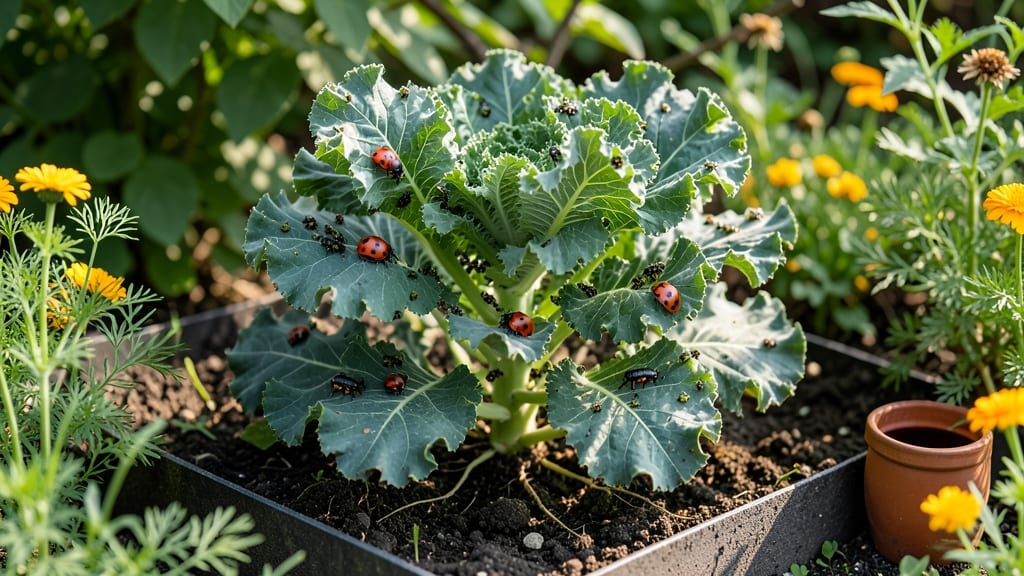
Ladybugs for garden pest control naturally reduce aphids, mites, and soft-bodied insects by consuming up to 5,000 pests per week, making them an organic, eco-friendly solution for vegetable gardens and flower beds. Release them at dawn or dusk for best results.
These tiny but mighty predators are nature's pest control specialists. 🌿 Unlike chemical sprays, ladybugs target only harmful insects while leaving beneficial pollinators like bees unharmed. Their larvae are even more effective hunters, devouring pests at twice the adult rate.
The key to their success lies in their diet—aphids make up 90% of their meals, which explains why they're so effective in gardens plagued by these sap-sucking pests. Plus, their presence often deters other insects from settling in your plants, creating a natural defense system that works around the clock.
For best results, focus on timing and environmental conditions. Ladybugs thrive in temperatures between 50°F and 75°F, so avoid releasing them during heatwaves or freezing nights. A shallow water source, like a damp sponge or saucer of water with pebbles, keeps them hydrated and encourages them to stay longer.
I've found that releasing them in the early morning or evening—when temperatures are cooler—gives them time to acclimate before becoming active.
💡 In This Article
- How Ladybugs Hunt and Control Garden Pests
- Best Ways to Introduce Ladybugs for Maximum Pest Control
How ladybugs hunt and control garden pests
Ladybugs are nature's precision pest controllers, equipped with specialized mouthparts that allow them to pierce soft-bodied insects like aphids and mites.
Their larvae take this a step further—these tiny predators have jagged mandibles that can chew through pests twice their size. 🔥 What's fascinating is their feeding strategy: adult ladybugs inject digestive enzymes into their prey, liquefying the insides before sucking them up, while larvae use their mandibles to create a feeding tube.
This dual approach means they can handle both small aphids and larger caterpillars, though aphids remain their favorite meal at a whopping 90% of their diet.
Their hunting efficiency comes from their ability to detect pests through chemical signals called kairomones, which aphids release when stressed. This chemical communication system acts like an invisible radar, guiding ladybugs directly to their next meal.
For example, a single ladybug larva can consume 50-100 aphids per day, while adults average 50-75 pests daily. Over a week, that adds up to their impressive 5,000-pest capacity, making them one of the most effective biological controls available.
Their preference for pests over plants also means they won't damage your crops while working.
Beyond pest control, ladybugs play a crucial role in pollination, though their impact is often overlooked. While they're not as efficient as bees, they still transfer pollen between flowers as they move through your garden. This dual benefit—pest control and pollination—makes them an invaluable addition to any organic garden ecosystem.
The key to their success lies in their mobility: they can cover large areas quickly, unlike stationary chemical treatments that only protect specific zones.
However, not all ladybug species are created equal. The seven-spotted ladybug (Coccinella septempunctata) is the most common and effective for garden use, while the Asian lady beetle (Harmonia axyridis) can sometimes become a nuisance by overwintering in homes.
Always verify the species before purchase to ensure you're getting beneficial predators. Their natural behavior also means they'll leave your garden once food sources run out, so continuous releases may be needed during peak pest seasons.
Temperature plays a critical role in their hunting efficiency. Ladybugs become sluggish below 50°F and overly active above 85°F, which can lead to dehydration. This is why early morning or evening releases work best—the cooler temperatures give them time to settle in before the heat of the day.
Their metabolic rate also increases with food availability, meaning they'll stay longer in gardens with active aphid populations. This creates a positive feedback loop where more pests attract more ladybugs, naturally amplifying their pest control effects.
One often-missed detail is their preference for certain plant structures. Ladybugs tend to congregate on the undersides of leaves where aphids cluster, making them particularly effective against infestations on plants like roses, tomatoes, and peppers.
Their ability to navigate complex garden environments—moving between plants, soil, and air—demonstrates why they're superior to chemical sprays that only target visible surfaces. This three-dimensional hunting strategy ensures comprehensive pest control throughout your garden's ecosystem. 💫