
Planting
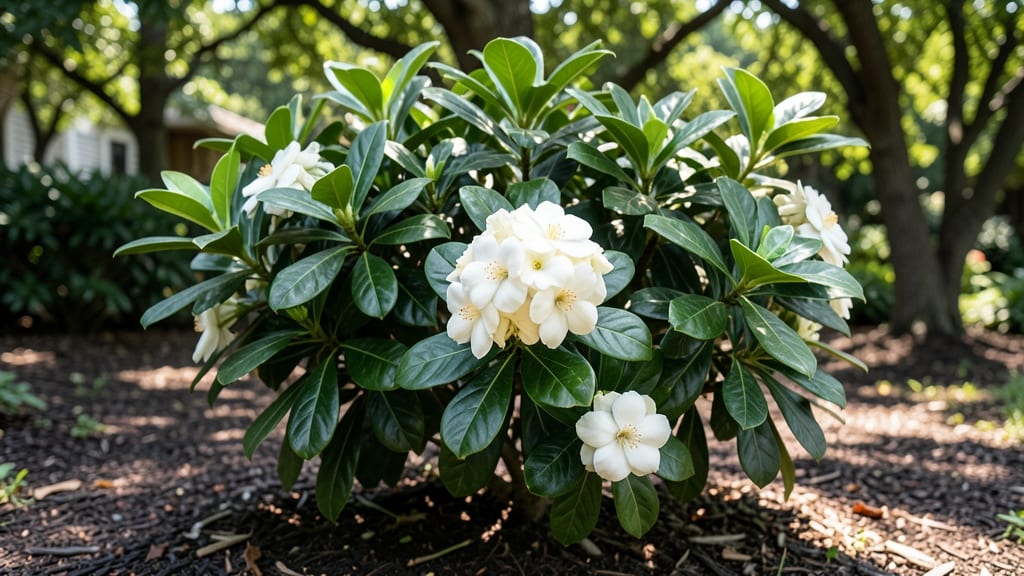
Gardenia plants thrive in Zone 7 with partial shade and well-draining soil rich in organic matter, requiring consistent moisture and protection from harsh winter winds. Prune after flowering to encourage bushier growth and fertilize lightly in spring for optimal blooms.
Zone 7's mild winters and warm summers actually create perfect conditions for gardenias—these tropical beauties love the humidity and moderate temperatures (60-75°F) that Zone 7 provides most of the year. 🌿 The key is mimicking their natural environment by planting them where they get morning sun and afternoon shade, especially during the hottest months.
Since gardenias are sensitive to waterlogged soil, I always recommend amending the planting area with compost to improve drainage while keeping that essential acidity (pH 5.0-6.5).
What sets Zone 7 apart is its ability to support gardenias year-round with minimal fuss—unlike colder zones where winter protection becomes critical. The real secret to success here is consistent care: water deeply when the top inch of soil feels dry, and never let them sit in soggy conditions.
I've found that mulching with pine bark helps maintain moisture and acidity while protecting roots from temperature swings. Plus, a light feeding of acid-loving fertilizer in spring gives them that extra boost for show-stopping blooms.
💡 In This Article
- Climate and Soil Requirements for Gardenias in Zone 7
- Step-by-Step Guide to Planting and Maintaining Gardenias in Zone 7
Climate and soil requirements for gardenias in Zone 7
Gardenia plants originate from tropical and subtropical regions, where they thrive in consistent warmth (60-75°F) and high humidity—conditions that Zone 7 can provide with the right adjustments.
The key is replicating their natural environment: gardenias need protection from extreme heat (above 85°F) and cold snaps below 30°F, which can damage delicate foliage and buds.
In Zone 7, where summer temperatures often climb into the 90s°F, afternoon shade becomes essential to prevent leaf scorch and stress. 💫
The ideal soil for gardenias is acidic (pH 5.0-6.5), well-draining, and rich in organic matter—think of the humus found in their native tropical forests.
Zone 7 gardeners should amend native soil with composted pine bark or peat moss to lower pH and improve structure, especially if your soil tests neutral or alkaline. A soil test kit costs around $15 and reveals critical pH levels that affect nutrient uptake.
Gardenias also need 1-2% organic matter in the soil to support root health and blooming.
Humidity is another critical factor—gardenias wilt quickly in dry air, which is common in Zone 7 during summer. To combat this, I recommend grouping gardenias with other moisture-loving plants like hydrangeas or impatiens to create a microclimate.
A simple trick is to place a 5-gallon bucket of water near the plants and let it evaporate slowly, increasing local humidity by up to 15%. For container gardeners, misting leaves lightly in the morning can also help, though avoid evening watering to prevent fungal diseases.
Zone 7’s transitional climate means gardenias face two main challenges: summer heat stress and winter chill. While gardenias tolerate brief dips to 25°F, prolonged exposure below 30°F can kill the plant. To protect them, wrap the base in burlap or frost cloth once temperatures drop below 40°F at night.
In containers, move plants to a sheltered spot or insulate pots with bubble wrap to prevent root freeze. During summer, a lightweight shade cloth (30-50%) can reduce leaf burn while allowing 6-8 hours of morning sun for photosynthesis.
The soil’s moisture retention is just as important as its acidity. Gardenias hate soggy roots, which can lead to root rot—a silent killer that often goes unnoticed until leaves yellow and drop.
To prevent this, ensure the planting area has a 10-15% slope for drainage and mix in perlite or coarse sand to break up clay soils. A simple test: dig a hole, fill it with water, and time how long it takes to drain.
If it takes longer than 30 minutes, amend the soil further. Mulching with 3-4 inches of pine bark helps retain moisture while keeping roots cool.
One often-overlooked detail is the role of calcium and magnesium in gardenia care. These minerals, found in Epsom salt (magnesium sulfate) and lime (calcium carbonate), prevent yellowing leaves—a common sign of deficiency.
A quarter-teaspoon of Epsom salt dissolved in 1 gallon of water and applied monthly during growing season can work wonders. However, avoid overdoing it: too much lime raises pH, while excess Epsom salt can cause salt buildup in the soil. Balance is key!