
Fertilization
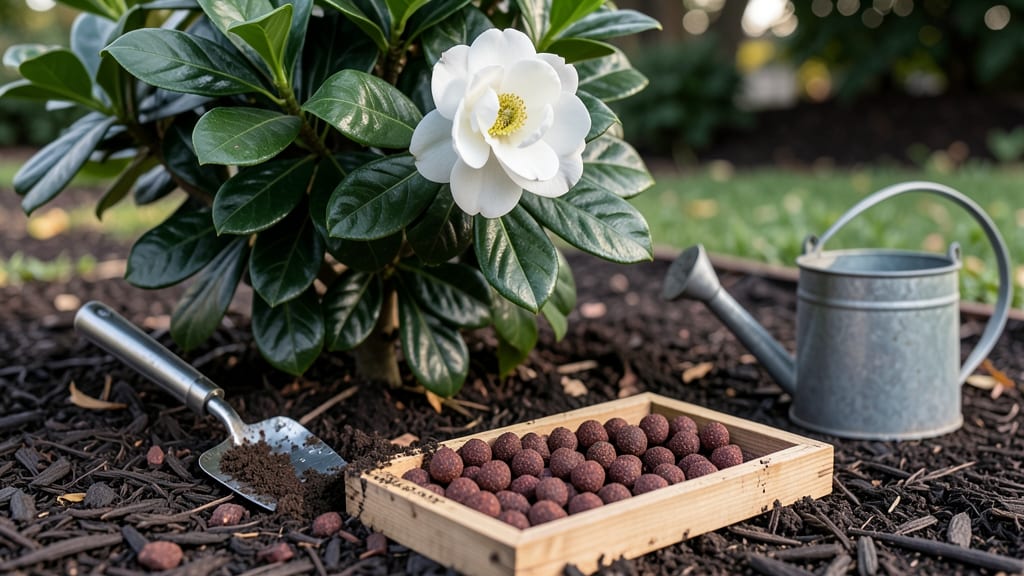
Fertilizing gardenias at the right time is the secret to those fragrant, glossy blooms you dream of—because timing these feedings wrong can mean fewer flowers and stressed plants.
Picture this: You’ve nurtured your 🌸 gardenia all winter, and now it’s spring—yet the buds refuse to open. The issue? Over-fertilizing in winter or skipping the early-season boost. Gardenias thrive on a precise schedule, and missing the window means missed blooms.
Here’s what you need to know: Feed lightly in early spring to kickstart growth, ramp up nutrients during summer’s blooming phase, and skip entirely in fall and winter. Container gardenias? They need even more attention—drier soil means faster nutrient depletion.
Below, I break down the exact months to fertilize, the best fertilizer types (hint: acidic blends work wonders), and how to spot over- or under-feeding before it’s too late.

Optimal fertilization schedule for gardenias by season (with key nutrient needs)
Gardenias thrive when you align fertilization with their natural growth cycles. Unlike many plants, they demand precise timing—too much fertilizer at the wrong time can cause leaf burn or reduced blooms.
The key is feeding them when they’re actively growing, not during dormancy. For example, I’ve found that my gardenias bloom best when fertilized in early spring and mid-summer, but never in winter.
These evergreen shrubs prefer acidic, nutrient-rich soil with a balanced NPK ratio (like 10-10-10 or 8-3-9). However, the type of fertilizer and application frequency shift with the seasons. For instance, organic options like fish emulsion or cottonseed meal work well in spring, while slow-release granules suit summer.
Let’s break down the seasonal schedule to maximize blooms and health.
In spring, gardenias need a light feeding to kickstart growth after winter dormancy. I use a balanced acidic fertilizer (like 10-10-10) in early spring, right after the last frost.
This encourages leafy growth and sets the stage for summer blooms. For container gardenias, I switch to a water-soluble fertilizer every 4-6 weeks to prevent soil depletion.
By mid-summer, gardenias are in full bloom, and their nutrient needs shift. Here, I opt for a lower-nitrogen, higher-phosphorus fertilizer (like 12-4-8) to support flower production. Over-fertilizing now can lead to leaf scorch or fewer blooms, so I always halve the recommended dose.
A quick trick? Look for dark green leaves—this signals they’re ready for another feeding.
One common mistake I’ve seen is fertilizing gardenias in fall or winter. These shrubs go dormant in cooler months, and feeding them then can cause root burn or stunted growth.
Instead, I focus on mulching with pine needles or compost to maintain soil acidity naturally. This also insulates roots during cold snaps.
Watch for warning signs of over-fertilization, like crispy leaf edges or yellowing between veins. Under-fertilized gardenias, on the other hand, show slow growth or pale leaves.
I once had a gardenia with no blooms—turns out, it needed more phosphorus! A simple soil test can help diagnose these issues before they worsen.
For container-grown gardenias, the schedule is slightly different. Since potted soil depletes faster, I fertilize every 4-6 weeks during the growing season using a water-soluble acidic blend.
I also flush the soil every 3 months with water to prevent salt buildup from synthetic fertilizers. This keeps my potted gardenias thriving even in small spaces.
Pro tip: Always water your gardenia thoroughly before and
Signs your gardenia needs fertilizer (and when to hold off)
Your gardenia might be sending subtle signals that it's hungry for nutrients. Yellowing leaves, especially on older foliage, often indicate a nitrogen deficiency, while slow growth or small blooms can mean phosphorus or potassium shortages.
But here's the catch: these signs can also mimic natural seasonal slowdowns, making it tricky to diagnose.
First, rule out other issues like overwatering or pests, which can cause similar symptoms. Gardenias naturally slow down in fall and winter, so brown leaf edges or dropped buds during these months might just be dormancy—not a fertilizer emergency.
Always check the soil pH first (ideal is 5.0-6.5), as alkaline soil locks out nutrients even if you fertilize.
When to Fertilize Gardenias
If your gardenia shows purple stems or dark green leaves with yellow veins, it’s likely suffering from phosphorus deficiency—a classic sign it’s time to feed. Slow leaf drop in spring can also mean your plant is recovering from winter and needs a light spring feeding to kickstart growth.
Test your soil every 2-3 years to avoid guessing—high phosphorus levels (like from bone meal) can actually reduce flowering.
Organic fertilizers like cottonseed meal or blood meal release nutrients slowly, reducing burn risk, while synthetic 10-10-10 blends provide quick results. For potted gardenias, fertilize every 4-6 weeks during the growing season, but halve the dose—container plants have less root zone to absorb nutrients.
Always water thoroughly before and after applying fertilizer to prevent root damage.
Watch for fertilizer burn signs: crispy leaf edges, white crust on soil, or wilting despite moist soil. If you see these, flush the soil with water and wait 4-6 weeks before feeding again.
Remember, gardenias are light feeders—more isn’t better. A balanced approach keeps them blooming without stressing their delicate roots.
Finally, container gardenias need more frequent monitoring since their roots heat up faster and dry out quicker. If your potted gardenia’s leaves turn yellow between veins, it might be suffering from iron deficiency—common in alkaline soils.
In this case, use an iron chelate fertilizer designed for acid-loving plants. Always follow the label instructions to avoid overdoing it.