
Shrubs
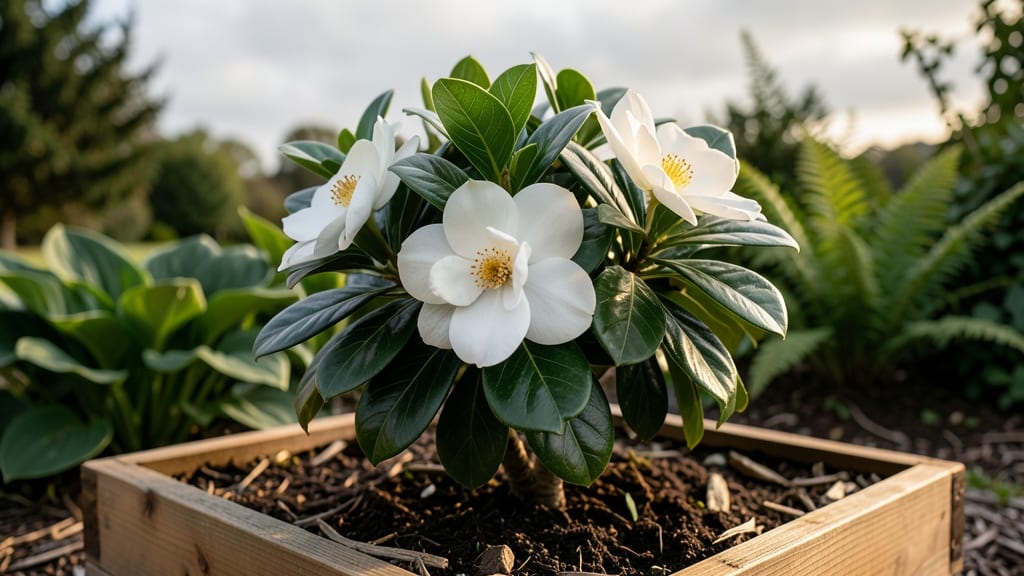
A full grown gardenia shrub 🌸 can transform your garden into a fragrant paradise—but only if you know the secrets to keeping it thriving.
Picture this: you’ve waited years for your gardenia to reach its stunning 3- to 6-foot height, only to watch its blooms fade or its leaves yellow. The truth? Most gardeners miss the critical pruning window that keeps these shrubs lush, fragrant, and full of life.
Pruning isn’t just about shaping—it’s about encouraging more blooms, preventing disease, and extending your gardenia’s lifespan. Whether you’re dealing with leggy growth or sparse flowers, the right cuts at the right time make all the difference.
In this guide, I’ll walk you through when to prune, how to avoid common mistakes, and the post-pruning care that ensures your gardenia stays vibrant year-round. Let’s get started!
When and how to prune full grown gardenia shrubs for maximum blooms
Pruning your full grown gardenia shrubs at the right time and with the correct techniques can transform your garden into a fragrant paradise. These evergreen beauties thrive when given the proper care, and strategic pruning encourages dense foliage and abundant blooms year after year.
The key is understanding when to prune and how to make clean cuts that stimulate growth without stressing the plant.
Most gardeners make one of two mistakes: pruning at the wrong time of year or cutting too aggressively. Both can reduce flowering and weaken the shrub. Instead, focus on seasonal timing and precise cuts to maintain your gardenia's health and fragrance.
Spring and summer are the ideal windows for pruning, but each requires a slightly different approach to maximize blooms.
Before you begin, gather your tools: sharp bypass pruners for clean cuts, sterilized shears to prevent disease, and gloves to protect your hands from the plant's sap.
Gardenias respond best to pruning when they're actively growing, so timing is everything. Let's dive into the step-by-step process that will keep your gardenia thriving.
Spring pruning is all about maintenance and shaping. After your gardenia finishes blooming in late spring, trim back any dead or damaged wood and lightly shape the shrub. This keeps it looking tidy while allowing the plant to focus energy on next year's buds.
For overgrown gardenias, you can do a more aggressive pruning in early summer, but never cut back more than 1/3 of the plant at once.
One common mistake is pruning too late in the season. If you wait until fall or winter, new growth won't have time to harden off before cold weather arrives. This can leave your gardenia vulnerable to frost damage.
Instead, plan your pruning for late May or early June in most climates, giving the plant plenty of time to recover before temperatures drop.
Pay attention to the growth pattern of your gardenia. If you notice bare stems or sparse foliage, it's a sign that the plant needs rejuvenation. In this case, prune back older stems by half in early summer.
This encourages new shoots to grow from the base, filling out the shrub and promoting more blooms in the following season.
Remember that gardenias are light-sensitive plants. When pruning, avoid cutting into the center of the shrub, as this can create a "donut hole" effect where light and air can't reach.
Instead, aim to open up the canopy slightly to improve circulation. This reduces the risk of fungal diseases and helps the plant maintain its signature fragrance.
After pruning, monitor your gardenia closely for signs of stress. If you see yellowing leaves or drooping branches, it may need more frequent watering or additional fertilizer. Keep the soil consistently moist but well-draining, as gardenias hate soggy roots.
Mulch around the base with organic matter to retain moisture and protect roots from temperature swings.
With the right pruning techniques, your full grown gardenia will reward you with lush foliage and intoxicating
Common pruning mistakes that kill gardenia fragrance (and how to fix them)
Pruning your full grown gardenia can transform it from a modest shrub into a fragrant powerhouse—but only if you do it right. Unfortunately, even well-meaning gardeners often make critical mistakes that weaken the plant and reduce its scent production.
The most common errors include over-pruning, cutting at the wrong time, and making improper cuts that invite disease. Let’s break down these mistakes and how to fix them before your gardenia’s signature aroma fades.
One of the biggest culprits is pruning too aggressively. Gardenias are delicate shrubs, and removing more than 25-30% of foliage in a single session can shock the plant, leading to sparse blooms or even leaf drop.
I’ve seen gardeners trim back their gardenias by half, thinking it will encourage more flowers—only to end up with a stressed plant that barely blooms. The key is to prune lightly and strategically, focusing on shaping rather than drastic reductions.
Another frequent error is pruning at the wrong time. Gardenias bloom on new wood, meaning they produce flowers on the current year’s growth. If you prune after the blooming season (typically late summer or early fall), you risk removing next year’s flower buds.
Always prune in early spring or right after flowering to give the plant time to recover and set new buds for the next season.
⚠️ callout-warning
Your full grown gardenia can suffer irreversible damage from these pruning sins:
- ✂️ Cutting too close to the trunk – Leaves ugly stubs and invites fungal infections.
- ✂️ Using dull shears – Causes jagged cuts that tear plant tissue, slowing recovery.
- 🌧️ Pruning after rain – Wet tools spread bacteria, increasing disease risk.
- 🌿 Removing healthy growth – Trimming back too much weakens the plant’s ability to bloom.
Fix it: Always cut just above a leaf node at a 45-degree angle using sterilized, sharp shears. Prune on dry, sunny days to prevent fungal spread.
Improper cuts are another silent killer of gardenia fragrance. Many gardeners make the mistake of cutting branches too close to the trunk or leaving stubs, which can lead to fungal infections like powdery mildew. Always aim to cut just above a leaf node—this is where new growth will emerge.
Use clean, sharp pruners and make cuts at a 45-degree angle to promote faster healing and reduce water pooling on the wound.
Finally, neglecting to sterilize your tools can turn your pruning session into a disease party. Gardenias are particularly susceptible to bacterial and fungal infections, which thrive in open wounds. Before you start pruning, wipe your shears with rubbing alcohol or a 10% bleach solution.
I always sterilize my tools between cuts on the same plant to minimize risk. This small step can mean the difference between a healthy, fragrant gardenia and one struggling with brown spots and weak growth.
To revive a gardenia that’s suffered from these mistakes, start by reducing stress—water deeply but avoid soggy soil, and fertilize with an acid-loving plant food like 10-10-10. Prune lightly in the next growing season, focusing on removing only dead or diseased branches.
With patience and proper care, your gardenia will bounce back and reward you with lush, fragrant blooms once again.
Remember, the goal isn’t just to prune—it’s to encourage healthy growth that leads to more flowers and a stronger scent. By avoiding these common mistakes, your full grown gardenia will thrive and fill your garden with its signature intoxicating aroma for years to come. 🌸