
Size
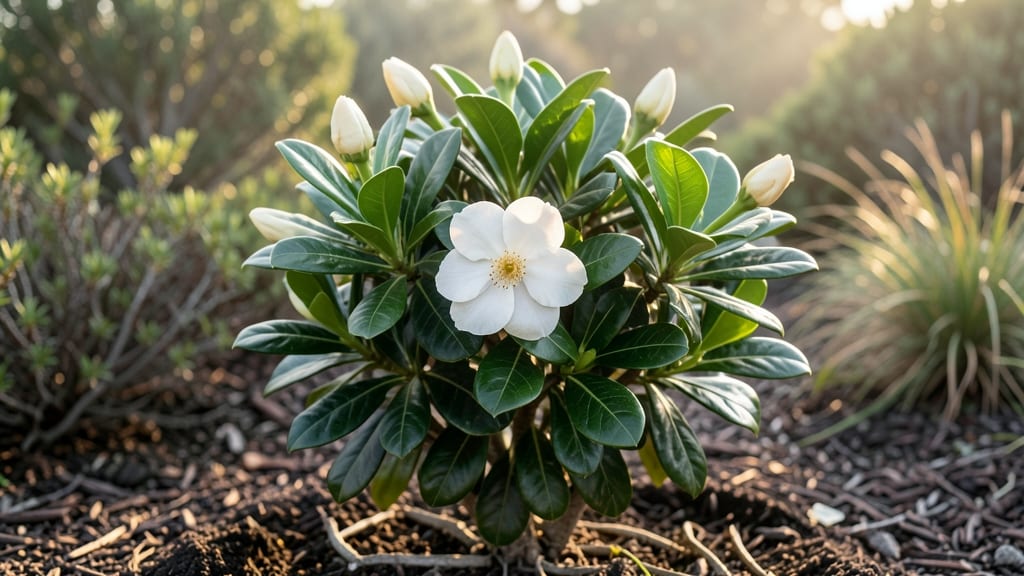
Frost-proof gardenia height depends on the variety you choose, and picking the right one can mean the difference between a year-round bloomer and a frost-damaged shrub.
If you love gardenias but live in colder climates, frost-proof varieties can be your secret to year-round blooms—without sacrificing their iconic fragrance. But how tall can these hardy beauties grow, and which varieties stay compact enough for containers?
Some frost-resistant gardenias, like Gardenia jasminoides 'Kleim’s Hardy,' mature at a manageable 3–4 feet, while others like G. radicans can stretch up to 6 feet if left unpruned.
The key is choosing a variety that fits your space and climate zone—especially in USDA Zone 6, where frost is a real threat.
Below, I’ll break down the best frost-proof gardenia sizes, pruning tips to control height, and mulching tricks to protect them through winter—so you can enjoy those creamy-white blooms every season.

Frost-proof gardenia height comparison by variety
If you're dreaming of fragrant gardenias in your garden but worry about frost damage, you're in luck! Frost-resistant varieties like Gardenia jasminoides 'Kleim’s Hardy' and G. augusta 'Radicans' can thrive in colder zones while still delivering those iconic blooms.
But before you plant, knowing their mature heights helps you plan your garden layout and container options. Some varieties stay compact enough for patios, while others reach small tree proportions.
The key to frost-proof gardenias is choosing the right variety for your space and climate. Standard varieties can grow up to 6 feet tall, while dwarf types remain under 3 feet.
This height variation means you can enjoy gardenias whether you have a sprawling backyard or just a balcony. Let’s break down the most popular frost-hardy varieties and their mature sizes to help you pick the perfect fit for your garden.
🌱 Comparison Table: Frost-Proof Gardenia Heights
| Variety | Mature Height | Spread | Cold Hardiness (USDA Zone) | Best For |
|---|---|---|---|---|
| Gardenia jasminoides 'Kleim’s Hardy' | 4–6 ft | 3–5 ft | 6a–9b | Full sun to partial shade, large gardens |
| Gardenia jasminoides 'Radicans' | 2–3 ft | 2–3 ft | 6a–9a | Containers, small spaces, shade gardens |
| Gardenia jasminoides 'Veitchii' | 3–4 ft | 3–4 ft | 7a–10a | Partial shade, borders, patio pots |
| Gardenia jasminoides 'Fortuniana' | 5–7 ft | 4–6 ft | 7b–10a | Large landscapes, privacy screens |
| Gardenia jasminoides 'Mystery' | 2–3 ft | 2–3 ft | 6a–9a | Containers, balconies, small gardens |
For gardeners in USDA Zone 6, where frost is a real concern, 'Kleim’s Hardy' and 'Radicans' are top choices. 'Kleim’s Hardy' grows taller but handles colder temps better than most gardenias, making it ideal for garden beds.
Meanwhile, 'Radicans' is perfect for containers or small spaces, staying under 3 feet tall while still producing fragrant blooms. Both thrive in partial shade, which helps protect them from harsh winter winds.
If you're working with limited space, dwarf varieties like 'Mystery' or 'Veitchii' are game-changers. These stay compact, making them ideal for patio pots or balcony gardens. Just ensure your containers have drainage holes and use a well-draining, acidic soil mix to mimic their natural habitat.
Without proper drainage, roots can rot in winter, even for frost-hardy varieties.
One common mistake is assuming all frost-proof gardenias can handle the same conditions. For example, 'Fortuniana', while hardy, prefers warmer zones (7b and up) and grows much taller, reaching 7 feet.
This makes it better suited for larger gardens or as a privacy hedge in milder climates. Always check the USDA Zone range before planting to avoid disappointment.
To maximize blooms and control height, prune your gardenias after their summer flowering season. This encourages new growth and keeps the plant bushier. For standard varieties, aim to prune back by one-third to maintain a manageable shape.
Dwarf varieties need lighter pruning—just remove dead or overgrown branches to keep them tidy. Always use sterilized pruners to prevent disease spread.
For
How to control gardenia height for small spaces
Keeping your frost-proof gardenias manageable in small spaces like patios or balconies starts with understanding their natural growth habits. Most varieties reach 4–6 feet tall if left unchecked, but with the right techniques, you can keep them between 2–3 feet—perfect for containers or tight garden beds.
The key is pruning at the right time and choosing compact varieties like 'Radicans' or 'Kleim’s Hardy'.
For container gardening, select dwarf gardenia varieties or prune aggressively to maintain height. Remember, gardenias grow best in well-draining, acidic soil (pH 5.0–6.0) and thrive in partial shade—critical factors that also influence their manageable size.
Without proper care, even frost-resistant types can outgrow their space quickly, especially in warmer zones.
Key Tips for Frost-Proof Gardenia Height Control
Pruning is your best tool for controlling height, but timing is everything. Always prune right after the blooming season (late summer to early fall) to avoid cutting off next year’s flower buds.
Use clean, sharp pruners to make cuts just above a leaf node or bud, and never remove more than 1/3 of the plant’s height in a single session. For frost-proof varieties, this approach helps them recover faster from winter chill.
If you’re growing gardenias in containers, select pots with drainage holes and use a lightweight, well-draining potting mix amended with peat moss or pine bark to maintain acidity. Containers dry out faster, so monitor soil moisture closely—daily watering in summer may be necessary.
Overcrowded roots can stunt growth, so repot every 2–3 years to refresh the soil and prevent height spikes.
Spacing is another critical factor for small spaces. In garden beds, plant frost-proof gardenias 3–4 feet apart to allow airflow and prevent disease, which can stress plants and cause erratic growth.
For balconies or patios, single-plant containers work best, but if you’re grouping them, keep individual pots at least 2 feet apart. Grouping too closely can lead to taller, leggy growth as plants compete for sunlight.
Finally, don’t forget that frost protection plays a role in height control. In colder zones (USDA 6–7), wrap containers in burlap or frost blankets and move potted plants to sheltered spots during hard freezes.
Healthy, stress-free plants grow more compactly and bloom more reliably—even in small spaces. With these techniques, your frost-proof gardenias will stay scented, manageable, and full of blooms all season long. 🌿