
How To
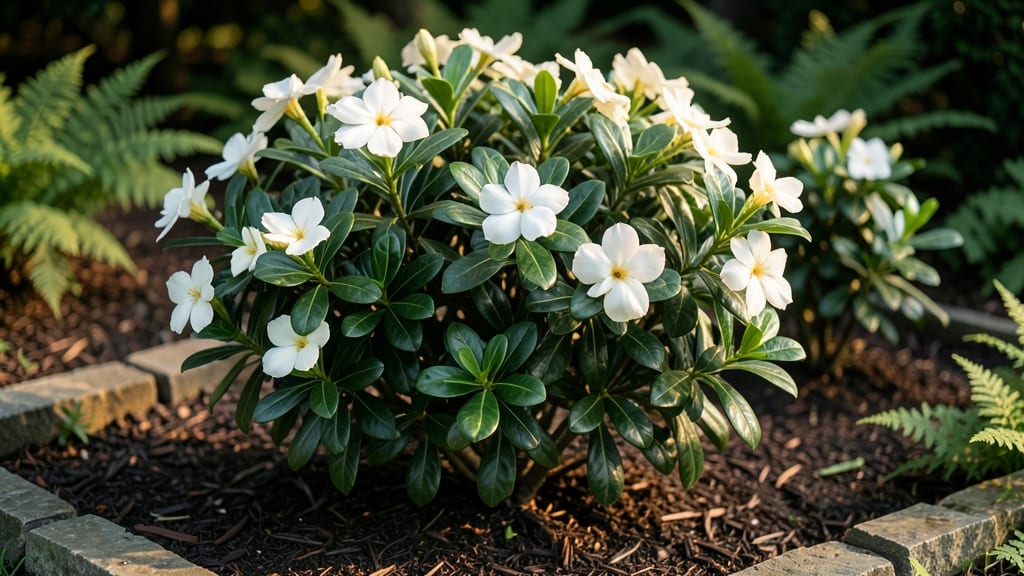
Gardenia plants grow between 2 and 6 feet tall, but the exact height depends on the variety and care you provide.
If you’ve ever wondered why your gardenia 🌸 seems to stay stubbornly small—or why someone else’s grows like a small tree—you’re not alone. The difference often comes down to sunlight, soil, and pruning habits, not just the plant’s natural size.
Most gardenias, like the classic Gardenia jasminoides, mature around 4 to 6 feet with proper care, while dwarf varieties top out at just 2 to 3 feet. Below, I’ll break down how to encourage the height you want—whether that’s a compact bush or a lush, towering shrub.
You’ll also discover the key factors that control growth, from pruning techniques to sunlight tricks, so your gardenia thrives at the perfect size for your space.


How tall gardenia plants grow by variety: height ranges explained
If you're dreaming of fragrant gardenias but wondering how tall they'll grow, the answer depends entirely on the variety you choose. Some gardenias stay compact enough for containers, while others can grow into small trees. Knowing these height ranges helps you plan your garden layout and care routine.
The most common gardenia, Gardenia jasminoides, typically reaches 3-6 feet tall, but there are dwarf varieties that stay under 2 feet.
Height isn't the only factor—growth habits vary too. Some varieties grow upright and bushy, while others spread wider than they grow tall. Understanding these differences ensures you select the perfect gardenia for your space, whether it's a patio pot or a garden border.
Let's explore the height ranges of popular gardenia varieties to help you make an informed choice.
| Variety | Mature Height | Growth Habit | Best For |
|---|---|---|---|
| Gardenia jasminoides (Common Gardenia) | 3-6 ft | Upright, bushy | Garden borders, hedges |
| Gardenia augusta (Cape Jasmine) | 6-10 ft | Tree-like, sprawling | Large gardens, tropical landscapes |
| Gardenia radicans (Crawling Gardenia) | 1-3 ft (spreading) | Trailing, ground cover | Containers, hanging baskets, slopes |
| Gardenia 'Kleim's Hardy' (Dwarf) | 2-3 ft | Compact, rounded | Patio pots, small gardens |
| Gardenia 'Fortuniana' (Dwarf) | 1.5-2.5 ft | Bushy, mounded | Borders, window boxes |
| Gardenia 'Veitchii' (Large Flower) | 4-6 ft | Upright, dense | Specimen planting, focal points |
The Gardenia jasminoides is the most popular choice for home gardens, typically growing 3-6 feet tall with a similar spread. This variety thrives in warm climates and produces highly fragrant white flowers that bloom from spring to fall.
If you're short on space, consider the dwarf varieties like 'Kleim's Hardy' or 'Fortuniana', which max out at 3 feet tall and are perfect for containers or small gardens.
For those with larger outdoor spaces, Gardenia augusta (also called Cape Jasmine) can grow into a small tree reaching 6-10 feet tall. This variety has a more tropical appearance and is often used in landscaping for its large, glossy leaves and abundant blooms.
If you're looking for something different, the trailing Gardenia radicans spreads horizontally, making it ideal for hanging baskets or ground cover in warmer climates.
When selecting a gardenia, consider not just height but also your climate zone and garden layout. Most gardenias thrive in USDA zones 8-11, but some dwarf varieties can tolerate cooler zones with proper winter care.
Always check the specific variety's requirements before planting to ensure it will reach its full potential height in your location.
Proper care can also influence how tall your gardenia grows. Pruning techniques, sunlight exposure, and soil conditions all play a role in determining whether your plant stays compact or grows taller. For example, regular pruning can encourage bushier growth, while neglecting pruning may lead to leggy, taller plants.
We'll cover these care tips in more detail in the next section to help you maintain your gardenia at your desired height.
One common misconception is that all gardenias grow into large shrubs. In reality, many varieties—especially the dwarf types—stay small and manageable. If you're using gardenias as a hedge or border plant, choose a variety with a consistent height range like 'Veitchii' or 'Kleim's Hardy' to maintain a uniform look.
For container gardening, opt for trailing or dwarf varieties to save space while still enjoying their beautiful blooms.
Whether you're a beginner gardener or a seasoned pro, understanding the height ranges of gardenia varieties helps you plan your garden with confidence. From compact dwarf types to tall, tree-like varieties, there's a gardenia perfect for every space.
Start by selecting the variety that fits your garden's size and style, then focus on providing the right care to encourage healthy growth and stunning blooms.
Remember, gardenias reward patience with their fragrant flowers and glossy leaves. With the right variety and care, you'll have a gardenia that not only reaches its ideal height but also becomes a standout feature in your outdoor space. Happy gardening!
Factors that influence gardenia height: sunlight, pruning & soil secrets
Your gardenia’s height isn’t just genetics—it’s a mix of sunlight exposure, pruning habits, and soil conditions. I’ve seen gardenias grow from 2-foot shrubs to 6-foot giants in the same yard, all because of these key factors.
Understanding them lets you steer your plant’s growth toward your ideal size, whether that’s a low hedge or a statement shrub.
The biggest height game-changer is sunlight. Gardenias love morning sun but hate afternoon heat, which can stunt growth or cause leaf burn. Too little light leads to leggy, weak stems, while too much direct sun stresses the plant. Balancing this is where the magic happens for controlling height.
- 🌞 Sunlight: 4-6 hours of morning sun maximizes healthy growth; afternoon shade prevents stunting.
- ✂️ Pruning: Trimming 1/3 of new growth in spring keeps gardenias compact; skipping pruning lets them grow wild.
- 🌱 Soil pH: Acidic soil (pH 5.0-6.5) fuels growth; alkaline soil starves roots, limiting height potential.
- 💧 Watering: Deep, consistent watering encourages strong stems; drought stress leads to weak, stunted growth.
- 🌡️ Temperature: Gardenias thrive in USDA Zones 6-10; cooler climates slow growth naturally.
Pruning is where most gardeners go wrong. Many assume pruning makes plants shorter, but it’s actually about shaping growth. If you want a taller gardenia, prune the lower branches to encourage upward growth.
For a bushier shape, trim the top stems to promote side shoots. Timing matters too—prune right after flowering to avoid cutting off next year’s blooms.
Don’t overlook your soil—it’s the silent growth regulator. Gardenias hate alkaline soil, which locks out essential nutrients like iron and phosphorus. Test your soil’s pH and amend with sulfur or peat moss to keep it acidic.
I’ve seen gardenias in poor soil struggle to grow past 2 feet, while the same variety in rich, acidic soil hit 5 feet in just two years.
Seasonal care also plays a role. In spring, fertilize with acid-loving plant food to fuel new growth. Skip winter fertilizing—gardenias rest then. And watch for pests like spider mites, which can weaken stems and stunt height. A simple neem oil spray keeps them in check without harming your plant.
Remember, even dwarf varieties can grow taller if conditions are perfect. The key is consistency—give your gardenia the right sunlight, soil, and care, and it’ll reward you with the height (and fragrance!) you’ve always wanted. Start with these secrets, and you’ll be growing gardenias that fit your space perfectly.