
Light Requirements
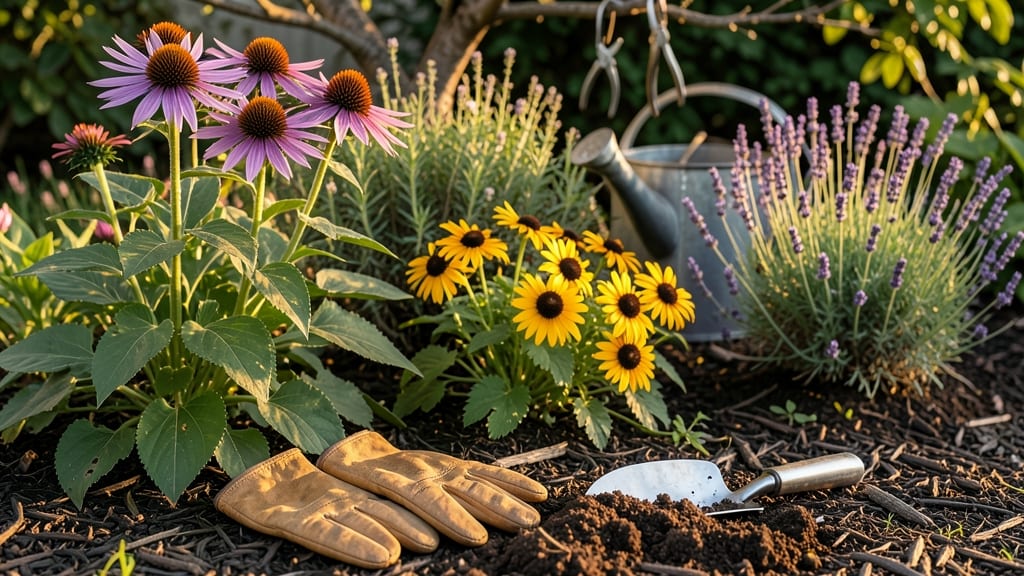
To find an expert gardener near you with proven local success, start by reviewing verified customer feedback, joining local horticulture groups, and using trusted platforms like Houzz or Angi. Prioritize professionals with certifications, years of regional experience, and before-and-after project photos that demonstrate their ability to thrive in your specific climate and soil types.
Local gardening expertise isn't just about knowing plants—it's about understanding your specific growing conditions. 🌱 A certified gardener who's worked with your soil type and climate for years will spot problems like compacted soil or pest vulnerabilities before they become costly headaches.
I always check for case studies showing how they've handled similar challenges in your area, because what works in a different zone might fail spectacularly at home. For example, a gardener in Texas needs completely different drought strategies than one in the Pacific Northwest.
Beyond credentials, pay attention to how they communicate. A true expert will ask detailed questions about your space, sunlight patterns, and long-term goals—not just sell you a generic service package. 🌿 Many local nurseries also maintain lists of trusted contractors, which can save you hours of research.
The best gardeners don't just plant—they teach you how to maintain it yourself, turning a one-time expense into a sustainable skill.
💡 In This Article
- How to Verify an Expert Gardener’s Local Credentials
- Top Platforms to Find Trusted Local Garden Experts
How to verify an expert gardener’s local credentials
Credentials matter because local climate and soil conditions create unique gardening challenges. A gardener certified by organizations like the American Society for Horticultural Science or with Master Gardener status has undergone rigorous training in regional plant science.
For example, a gardener in Zone 7b needs to understand how to amend clay-heavy soil common in the Midwest, while one in Zone 9a must handle Mediterranean drought conditions. These certifications often include hands-on fieldwork where professionals learn to diagnose issues like fungal diseases specific to your area.
Verified reviews go beyond star ratings—look for detailed testimonials mentioning specific results. A great example is a review stating, "Fixed my Japanese maple root rot in 3 weeks with soil aeration," rather than generic praise.
Cross-reference reviews with Google Maps or Yelp to spot patterns, like multiple complaints about overwatering in drought-prone regions. Red flags include vague before-and-after photos (no scale reference) or testimonials that sound like they were written by the gardener themselves.
Always ask for references from past clients who worked on similar projects.
Local experience translates directly to problem-solving. A gardener who's maintained 10+ years of vegetable gardens in your county will recognize subtle signs of nutrient deficiencies in your soil that a newcomer might miss.
For instance, they'll notice how your tomatoes develop yellowing leaves from magnesium deficiency—common in alkaline soils—and prescribe Epsom salt applications at the right time. This specialized knowledge is what turns a good gardener into an expert for your specific growing conditions.
Don't overlook the importance of climate adaptation techniques. A true local expert will understand microclimates in your neighborhood—like how your backyard might be 5°F warmer than official weather station readings due to urban heat islands.
They'll recommend plants that thrive in these conditions, such as heat-tolerant roses for southern exposures or shade-loving ferns for northern sides. Their toolkit should include solutions like mulching strategies tailored to your soil type, whether that's straw for sandy soil or wood chips for clay.
When evaluating credentials, also check for continuing education. The best gardeners stay updated on emerging pests (like the spotted lanternfly in the Northeast) or new organic amendments. Ask about recent training—they should be able to name specific courses or workshops they've attended in the past 12-24 months.
This commitment to learning often separates hobbyists from true professionals who can handle whatever challenges your garden throws their way.
Remember that local expertise extends beyond planting—it's about long-term sustainability. A gardener who understands your region's frost dates and rainfall patterns will design your landscape to minimize water waste and maximize native plant success. This holistic approach means they're thinking about your garden's ecosystem, not just its aesthetics. 🌿