
Advice
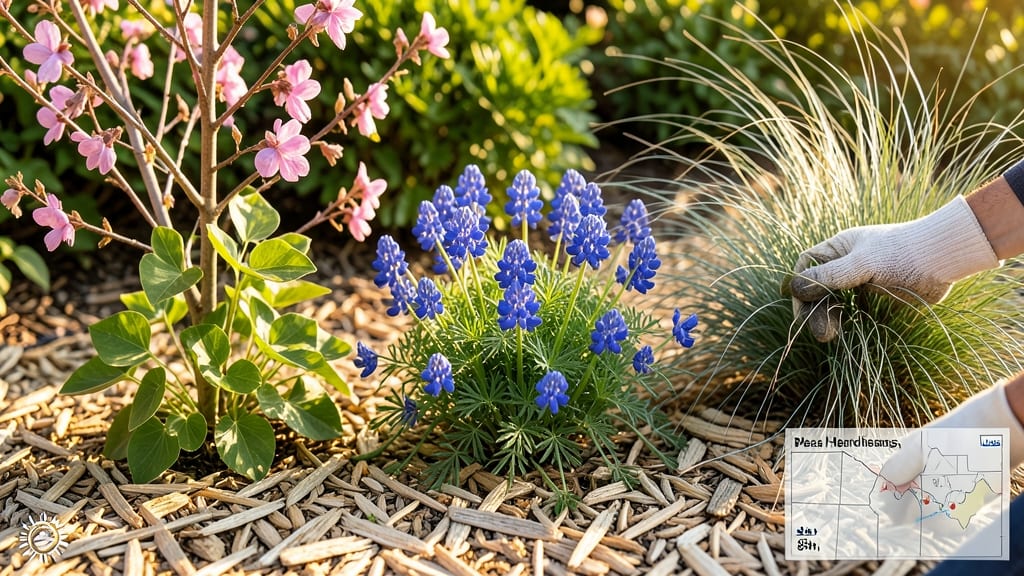
Dallas gardening falls under USDA Hardiness Zones 8a and 8b, where temperatures range from 10°F to 20°F (-12°C to -6°C). This mild winter climate lets you grow heat-loving plants like bougainvillea and citrus year-round, while frost dates help time your vegetable and flower plantings for maximum success.
Understanding your Dallas gardening zone means knowing exactly which plants can thrive in your area's specific conditions.
The difference between 8a and 8b might seem small, but it affects when you can safely plant frost-sensitive crops like tomatoes or peppers. 🌱 For example, Zone 8b's slightly warmer winters allow for earlier spring plantings and later fall harvests compared to Zone 8a. This distinction helps explain why some gardeners in northern Dallas might need to wait a week longer to plant warm-season vegetables than those in southern areas.
What really sets Dallas gardening apart is the ability to grow tropical plants that would freeze in most of the U.S. The extended growing season—often from late February to December—lets you experiment with everything from Meyer lemons to rosemary bushes.
Just remember that even in Zone 8b, unexpected cold snaps can still occur, so having frost cloth on hand is always a good idea for delicate plants.
💡 In This Article
- USDA Zone 8a vs 8b: Key Differences for Dallas Gardens
- Best Plants for Dallas Gardening Zones 8a and 8b
USDA Zone 8a vs 8b: key differences for Dallas gardens
The core difference between USDA Zone 8a and 8b in Dallas lies in their average annual minimum temperatures. Zone 8a experiences 10°F to 15°F (-12°C to -9°C) as its coldest winter lows, while Zone 8b sees slightly warmer 15°F to 20°F (-9°C to -6°C) minimums.
This 5°F difference might seem minor, but it translates to critical timing for frost-sensitive plants. For instance, Zone 8b's warmer winters allow for 14-21 days earlier spring plantings of tomatoes and peppers compared to Zone 8a.
Frost dates are where these zones show their most practical impact. In Zone 8a, the last spring frost typically occurs around March 15-22, while Zone 8b gardeners can expect it 7-10 days earlier (March 5-12).
The first fall frost follows a similar pattern: Zone 8a averages November 15-22, while Zone 8b holds onto warmth until November 22-29. These dates are crucial for determining when to plant cool-season crops like lettuce or when to harvest frost-sensitive vegetables like eggplants.
Historical climate data reveals another important trend: Zone 8b areas have seen a 0.5°F per decade warming trend since 1980, while Zone 8a has warmed at 0.3°F per decade. This means Zone 8b's growing season is expanding faster.
For example, while Zone 8a might still experience 2-3 nights below 20°F annually, Zone 8b now averages just 1 night per year below that threshold. This shift allows Zone 8b gardeners to successfully overwinter tender plants like dwarf citrus trees or yucca plants without protection.
Microclimates within Dallas further complicate these generalizations. Northern neighborhoods like Highland Park (Zone 8a) may experience 2-3°F colder nights than southern areas like Southlake (Zone 8b). Elevation differences of just 50 feet can create 1-2°F temperature variations, affecting frost formation.
Urban heat islands in downtown Dallas can create pockets where Zone 8b conditions exist even in areas officially classified as 8a.
For gardeners, this means paying attention to local weather patterns rather than relying solely on zone designations. The National Weather Service's Dallas/Fort Worth office provides 10-day frost probability forecasts that can help adjust planting schedules.
For example, while Zone 8b might safely plant sweet potatoes in mid-April, Zone 8a gardeners should wait until mid-May to avoid potential frost damage.
What most people don't realize is how these temperature differences affect plant hardiness ratings. A plant rated for Zone 8a (10°F tolerance) might survive in Zone 8b, but one rated for Zone 8b (15°F tolerance) could struggle in Zone 8a during particularly cold winters.
This explains why Mexican feather grass thrives in Zone 8b but often dies back in Zone 8a winters.
Understanding these nuances helps explain why some gardeners in northern Dallas might need to use frost blankets for their oleander bushes while southern Dallas gardeners can leave theirs uncovered. The 5°F difference between these zones creates meaningful opportunities for expanding your garden's diversity and productivity.