
Planting
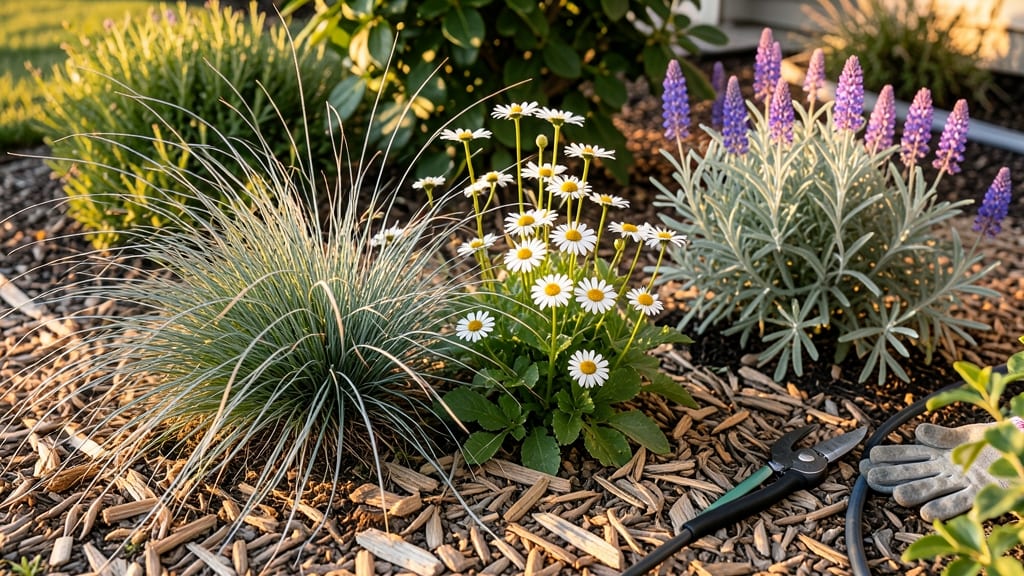
Fort Worth gardening thrives in USDA Hardiness Zones 7b to 8a, creating ideal conditions for native plants like pecan trees and Texas sage while requiring careful seasonal planning for less hardy species. The USDA Plant Hardiness Zone Map helps pinpoint your exact microclimate for optimal planting.
Understanding Fort Worth's gardening zone helps you choose plants that will flourish without constant struggle. 🌿 The 7b to 8a range means you can grow a wide variety of plants, but knowing the exact zone helps determine frost dates and last frost timings.
For example, Zone 7b experiences colder winters (down to 0°F) compared to Zone 8a (down to 10°F), which affects when you can plant cool-season crops like lettuce or broccoli. This distinction is especially important for gardeners in urban areas where microclimates can vary significantly from block to block.
Native plants like bluebonnets and blackfoot daisies are perfect for Fort Worth gardens because they've evolved to thrive in these conditions. 🌸 They require less water and maintenance once established, making them ideal for both experienced gardeners and beginners.
The USDA map isn't just about cold tolerance—it also helps predict growing seasons, which is crucial for planning your planting schedule throughout the year.
💡 In This Article
- Key Plant Zones in Fort Worth: 7b vs 8a Differences
- Best Fort Worth Plants by Season: Zone-Specific Guide
Key plant zones in Fort Worth: 7b vs 8a differences
The core difference between Fort Worth's USDA Zones 7b and 8a lies in their average annual minimum temperatures. Zone 7b experiences winters as cold as 0°F (-18°C), while Zone 8a rarely drops below 10°F (-12°C).
This 10°F difference might seem small, but it dramatically affects which plants survive winter dormancy.
For instance, a crape myrtle tree - a Fort Worth staple - can handle Zone 7b's cold snaps, while a Mexican feather grass might get frost damage in Zone 7b but thrives in Zone 8a's milder winters. 🌿
These temperature thresholds directly impact frost dates - Zone 7b typically sees its last spring frost around March 15th (with some years extending into April), while Zone 8a's last frost often occurs by March 1st.
This earlier window allows Zone 8a gardeners to plant warm-season crops like tomatoes 2-3 weeks earlier than their Zone 7b neighbors. The first fall frost also arrives later in Zone 8a, extending the growing season by about 10-14 days on either end.
Native plants like Texas mountain laurel (Zone 7b-8a) and autumn sage (Zone 8a-9b) demonstrate this adaptation beautifully.
The mountain laurel's deep roots help it survive Zone 7b's cold snaps, while autumn sage's silvery foliage thrives in Zone 8a's drier heat. 🌸 What most gardeners don't realize is how microclimates within Fort Worth create these zone variations - a north-facing yard might experience Zone 7b conditions while a south-facing urban plot could be Zone 8a.
For container gardening, this means selecting hardy annuals like zinnias (Zone 3-8) for Zone 7b areas, while Zone 8a gardeners can experiment with tender perennials like bougainvillea (Zone 9-11) in protected microclimates.
The USDA map's 10°F increments might seem arbitrary, but they represent real biological thresholds - the difference between a plant's survival temperature and its damage threshold.
Consider this example: A Mexican petunia (Ruellia brittoniana) might survive Zone 7b winters if planted in a sheltered microclimate with mulch protection, while a Texas betony (Stachytarpheta jamaicensis) would struggle in Zone 7b's colder winters but thrives in Zone 8a's milder conditions.
This is why native plant societies recommend checking both your official zone and your actual microclimate before making planting decisions.
The 10°F difference between these zones also affects water needs - Zone 8a's warmer winters mean less water loss through evaporation, while Zone 7b's colder winters create more frost heave in soil, requiring careful irrigation planning.
For gardeners, this translates to 20-30% less watering in Zone 8a during winter months compared to Zone 7b areas. 💧