
Fertilization
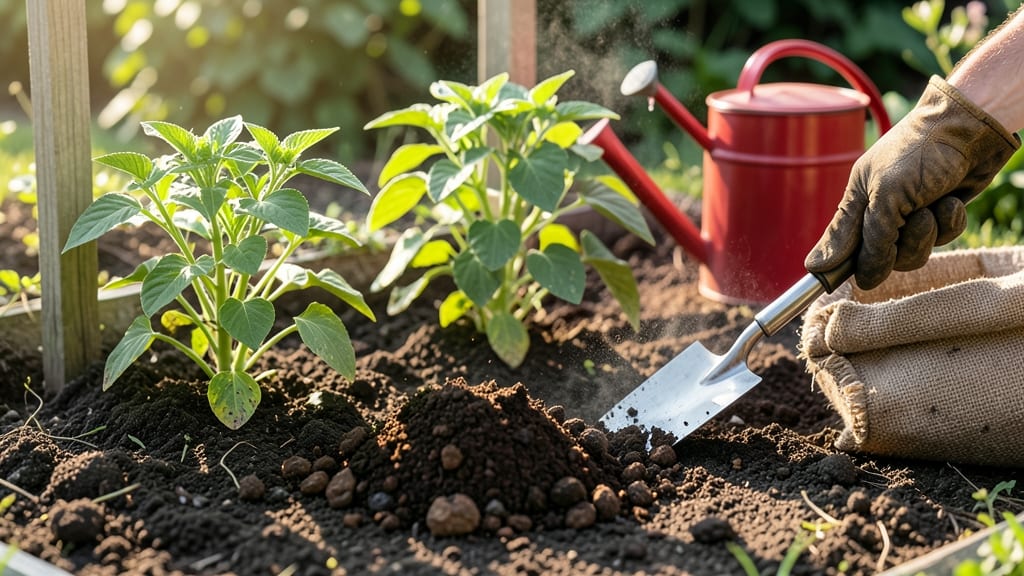
Using coffee grounds in the garden boosts nitrogen for acid-loving plants like blueberries and azaleas, but too much can make soil overly acidic or attract pests. Use them sparingly as mulch or compost for best results.
Coffee grounds work as a natural fertilizer because they're packed with nitrogen—about 2% by weight—which helps green leaves grow faster. 🌱 However, their acidity means they're best for plants that thrive in slightly acidic soil (pH 5.0-6.5).
I've found mixing them into compost piles at a 20-30% ratio prevents over-acidification while still providing nutrients. The key is balance: fresh grounds can attract pests like ants, so always let them decompose first or bury them in soil.
For best results, spread a thin layer (½ inch) around plants that love acidic conditions, like hydrangeas or rhododendrons. Avoid using them near vegetables that prefer neutral soil, such as tomatoes or peppers. The decomposition process also releases beneficial microbes, which further enriches the soil over time.
💡 In This Article
- How Coffee Grounds Affect Soil Chemistry
- Best Practices for Applying Coffee Grounds in Gardens
How coffee grounds affect soil chemistry
Coffee grounds contain approximately 2% nitrogen by weight, which is about half the nitrogen content of synthetic fertilizers but still valuable for plant growth. When these grounds decompose, they release nitrogen in forms plants can absorb—like ammonium and nitrate—through a process called mineralization.
This nitrogen boost promotes lush, green foliage in plants that need it most, such as nitrogen-hungry vegetables like lettuce or leafy greens. 🌿 The decomposition also triggers microbial activity, as fungi and bacteria break down the organic matter, releasing additional nutrients like phosphorus and potassium.
The real game-changer is their impact on soil pH. Fresh coffee grounds have a pH of around 4.85-5.10, making them slightly acidic.
When mixed into soil, they can lower the pH over time, which is ideal for acid-loving plants like blueberries (which thrive at pH 4.5-5.5) or azaleas (pH 5.0-6.0).
However, this effect depends on your soil's starting pH—sandy soils acidify faster than clay soils, where organic matter buffers the change. The key is monitoring: if your soil is already acidic (below 5.0), coffee grounds can push it into a harmful range for many plants.
Decomposition speed varies based on conditions. In warm, moist soil, grounds break down in 4-6 weeks, while cooler or drier conditions can extend this to 2-3 months.
During this time, the nitrogen becomes available to plants, but too much at once can "burn" roots by creating a temporary salt buildup. This is why composting grounds first—mixing them with other organic matter like leaves or grass clippings—creates a slower-release fertilizer that avoids this risk.
The microbial activity also improves soil structure by binding particles together, creating better aeration and water retention.
One often-overlooked benefit is the presence of caffeine and tannins in coffee grounds. While these compounds break down during decomposition, they can initially act as natural pesticides, deterring pests like slugs and snails. However, this effect is short-lived and not a replacement for targeted pest control.
The caffeine also stimulates root growth in some plants, like tomatoes, but only when used in moderation—too much can inhibit growth due to the acidic environment it creates. This dual nature (beneficial yet potentially harmful) is why balance is everything when using coffee grounds in the garden. 🌱
For plants that prefer neutral to alkaline soil (like most vegetables), coffee grounds should be used cautiously or avoided entirely. For example, tomatoes and peppers grow best in soil with a pH of 6.0-7.0, so adding coffee grounds could stunt their growth.
Instead, pair them with alkaline amendments like wood ash to neutralize the acidity. The same rule applies to compost: mixing coffee grounds with high-pH materials (like eggshells or banana peels) creates a balanced, nutrient-rich mix that won't skew the soil chemistry in one direction.
To visualize the impact, think of coffee grounds as a slow-release fertilizer with a side of pH adjustment. The nitrogen content is like a quick energy boost for plants, while the acidity is a long-term soil modifier.
The trick is using them strategically—like a chef balancing flavors—to enhance what your garden already has, rather than overwhelming it. For instance, a ½-inch layer of used grounds around acid-loving plants in spring can provide a gentle, natural fertilizer without the risks of over-acidification. 💫