
Fertilization
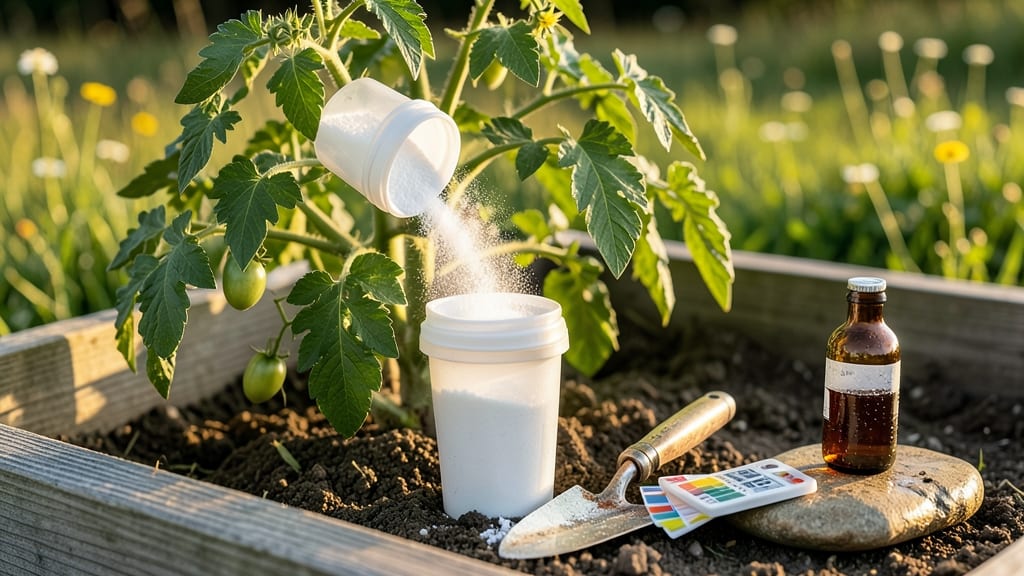
Using baking soda in garden soil raises pH levels by neutralizing acidity, which helps acid-loving plants like azaleas, blueberries, and vegetables access essential nutrients. Apply it carefully—overuse can disrupt soil microbes and harm plant roots.
Baking soda works as a quick soil amendment because its alkaline properties react with acidic compounds in the soil, like hydrogen ions.
This chemical shift makes nutrients like phosphorus and calcium more available to plants that prefer neutral to slightly alkaline conditions. 🔥 Unlike lime, which takes weeks to months to adjust pH, baking soda provides faster results—ideal for emergency fixes or small garden areas.
For best results, test your soil's pH first (aim for a target between 6.0–7.0 for most vegetables). Mix 1–2 tablespoons per 10 square feet into the top 2–3 inches of soil, then water thoroughly.
Monitor your plants closely—yellowing leaves or stunted growth may signal overapplication. Organic gardeners often prefer wood ash or crushed eggshells as gentler alternatives.
💡 In This Article
- How Baking Soda Alters Soil Chemistry and pH Balance
- Safe Application Methods for Baking Soda in Gardens
How baking soda alters soil chemistry and pH balance
Baking soda, or sodium bicarbonate (NaHCO₃), works as a soil amendment by donating hydroxide ions (OH⁻) to neutralize excess hydrogen ions (H⁺) in acidic soil. When mixed with moist soil, it undergoes hydrolysis, breaking down into sodium (Na⁺), carbonate (CO₃²⁻), and hydroxide ions.
These hydroxide ions react with acidic compounds like aluminum (Al³⁺) and iron (Fe²⁺), forming insoluble hydroxides that precipitate out of solution. This chemical reaction effectively raises the soil's pH by reducing acidity, making it more alkaline.
The impact on nutrient availability is immediate and dramatic. Acidic soils (pH < 6.0) often lock away essential nutrients like phosphorus, calcium, and magnesium by binding them to soil particles. When baking soda raises pH to 6.0–7.0, these nutrients become more soluble and accessible to plant roots.
For example, phosphorus uptake can improve by 20–30% in just 2–4 weeks after application, benefiting leafy greens and flowering plants. 🌱 However, unlike lime (calcium carbonate), which provides long-term pH adjustment, baking soda's effects are temporary—typically lasting 3–6 months before the soil acidity returns.
This chemical process differs significantly from other amendments. Lime, for instance, raises pH through calcium and magnesium ions, which also improve soil structure over time. Sulfur, conversely, lowers pH by increasing hydrogen ions.
Baking soda's rapid action makes it ideal for emergency fixes, such as correcting acid rain damage or adjusting pH in container gardens. Yet, its high sodium content can disrupt soil microbes if overused, unlike organic amendments like wood ash, which provide potassium and calcium without sodium buildup.
Consider the sensory and visual changes in your soil after application. Initially, the soil may appear slightly grainier due to the sodium bicarbonate's crystalline structure. Over time, you'll notice a shift in plant health—fewer yellow leaves (a sign of nutrient deficiency) and stronger stems.
The aroma of freshly amended soil becomes earthier, almost like a mix of damp soil and a faint alkaline scent. 🌿 For acid-loving plants like blueberries (pH 4.5–5.5), baking soda is a last resort, but for vegetables like tomatoes and peppers (pH 6.0–7.0), it’s a game-changer.
One critical nuance is the soil's buffering capacity—the ability to resist pH changes. Sandy soils, with low organic matter, show rapid pH shifts, while clay soils with high organic content resist changes. This is why a soil test before application is non-negotiable.
For example, a pH 5.0 soil might need 1.5 tbsp of baking soda per 10 sq ft, while a pH 5.5 soil could require only 1 tbsp. Overestimating can lead to sodium toxicity, where plant roots struggle to absorb water.
To visualize the process, imagine soil particles as tiny sponges. In acidic conditions, these "sponges" hold onto nutrients tightly, making them unavailable. Baking soda acts like a key, unlocking these nutrients by adjusting the soil's chemical environment. The trade-off?
While it boosts nutrient availability, it can also leach essential minerals like manganese and zinc if not balanced with compost or organic matter. 💡 This is why pairing baking soda with a light application of compost (1–2 inches) helps maintain microbial diversity and long-term soil health.