
Lawn
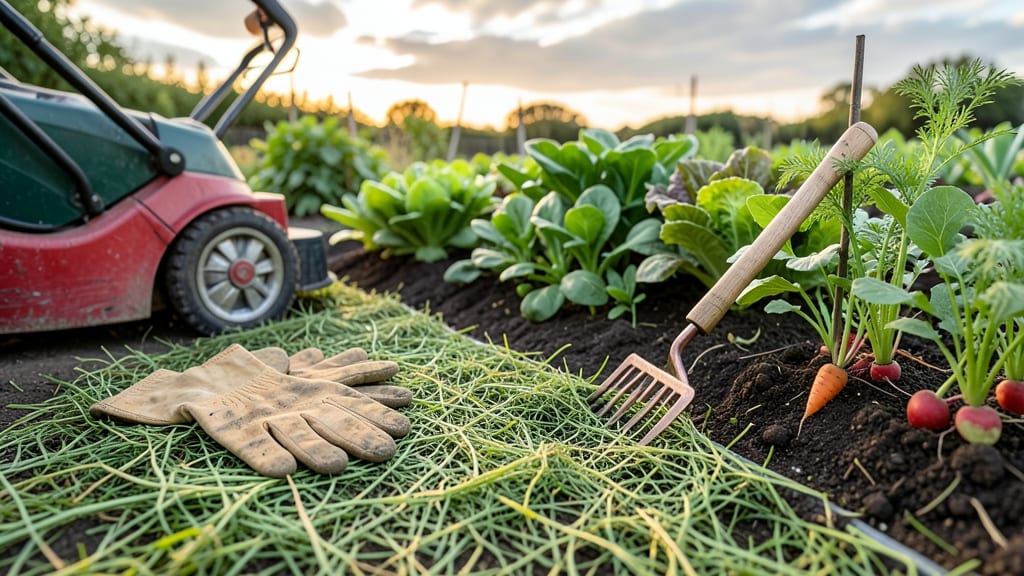
Using grass clippings in a vegetable garden can enrich soil with nitrogen when applied properly, but risks include weed seeds, disease spread, and excessive moisture if layered too thickly. Always dry clippings first and use sparingly as mulch or compost material.
Grass clippings act as a natural fertilizer when properly prepared, thanks to their high nitrogen content that breaks down into plant-available nutrients. 🌱 The key is letting them dry first—this prevents matting and reduces the risk of introducing weeds or fungal spores to your garden beds.
I've found that spreading a thin layer (¼-inch thick) around leafy greens like spinach or kale works best, while root vegetables may need a different approach entirely.
For maximum benefit, mix dried clippings with other compost materials like shredded leaves or straw to balance the carbon-to-nitrogen ratio. This creates a more stable mulch that won't smother plants or attract pests. The decomposition process also improves soil aeration over time, creating an ideal environment for vegetable roots.
💡 In This Article
- How Grass Clippings Benefit Vegetable Garden Soil
- Safe Ways to Apply Grass Clippings Without Harming Vegetables
How grass clippings benefit vegetable garden soil
Grass clippings are essentially a nitrogen powerhouse for your garden. When grass grows, it absorbs nitrogen from the soil through its roots—typically around 4-5 pounds of nitrogen per 1,000 square feet during a growing season.
When you mow, those clippings contain roughly 1.5-2.5% nitrogen by dry weight, along with smaller amounts of phosphorus and potassium. This makes them a free, organic fertilizer that breaks down to feed your vegetables.
The magic happens when clippings decompose. Microorganisms in the soil convert that nitrogen into forms plants can use, like ammonium and nitrate. However, this process isn't instant—it takes about 2-4 weeks for significant nitrogen release when clippings are properly dried and applied as mulch.
The decomposition also stimulates earthworm activity, which improves soil structure by creating tunnels that enhance aeration and water infiltration. 🌱 For example, a ½-inch layer of dried clippings can provide enough nitrogen to support leafy greens like lettuce or Swiss chard without needing additional fertilizer.
Beyond nitrogen, clippings improve soil in other ways. As they break down, they add organic matter that boosts the soil's water-holding capacity—critical during dry spells. A study from the University of Nebraska found that mulching with grass clippings increased soil moisture retention by up to 30% compared to bare soil.
The clippings also create a protective layer that shields soil from compaction during rain, preserving root growth zones for vegetables like carrots or radishes.
However, the benefits depend on proper preparation. Fresh clippings can create a thick, mat-like layer that blocks sunlight and smothers plants. When properly dried, they become a fluffy, crumbly material that blends into the soil easily.
The key is balance—too much nitrogen can actually burn tender plants, while too little won't provide noticeable benefits. For most vegetable gardens, a ¼- to ½-inch layer of dried clippings applied every 4-6 weeks during the growing season strikes the right equilibrium.
Consider the texture difference: fresh clippings feel slick and wet, almost like wet newspaper, while dried clippings become light and airy, almost like shredded paper. This texture change is crucial because it determines how well they'll integrate with your soil.
When properly dried, they'll break down uniformly, releasing nutrients gradually rather than creating a sudden spike that could harm delicate plants.
The nitrogen release rate varies by grass type too. Cool-season grasses like Kentucky bluegrass release nitrogen more slowly than warm-season grasses like Bermuda grass.
This means timing matters—applying clippings from cool-season grasses in early spring gives plants a gradual nutrient boost, while warm-season clippings might be better suited for late summer applications when growth is more vigorous.