
Planting
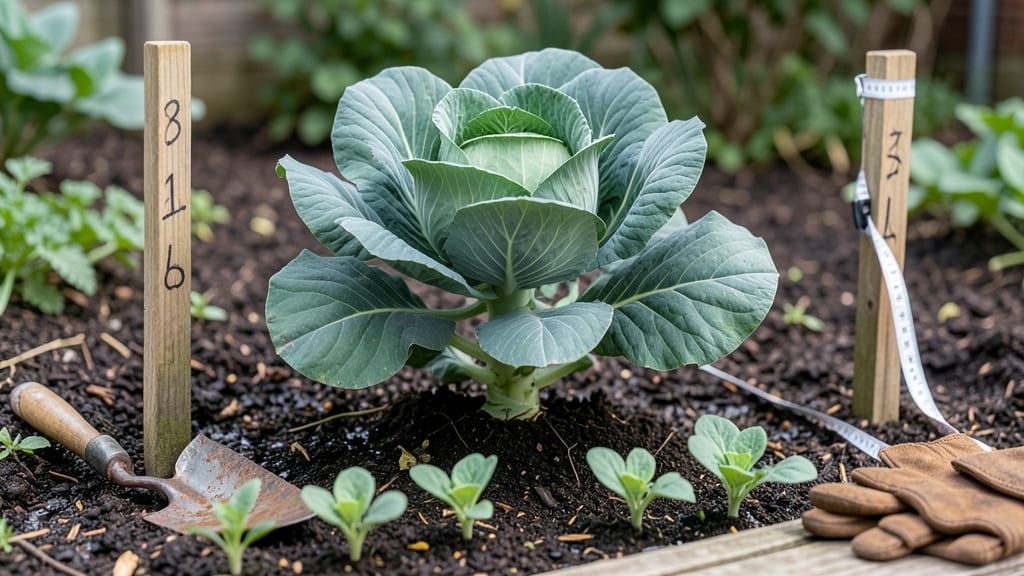
Proper cabbage garden spacing is the difference between a thriving 🥬 harvest and a battle with stunted plants and pests.
Picture this: You’ve just planted your cabbage seeds, full of excitement, only to watch them struggle as they outgrow their space. Too close together, and you risk fungal diseases like black rot or clubroot, which can wipe out your entire crop.
But get the spacing right, and you’ll enjoy healthier plants, bigger heads, and fewer headaches.
Cabbage isn’t one-size-fits-all—whether you’re growing heading varieties like Green Towers or leafy types like Chinese cabbage, spacing matters. Transplants need more room than direct-sown seeds, and mature plants can vary from 12 inches for dwarf varieties to 24 inches for standard heads.
I’ll break down the exact layouts that work, so you can avoid the most common mistakes and maximize your garden’s potential.
Ready to transform your cabbage patch? You’ll learn how to arrange plants for airflow, pair them with the best companions, and even fit more into small spaces—without sacrificing yield or health.
Optimal cabbage plant spacing by variety and growth stage
Cabbage isn't a one-size-fits-all crop when it comes to spacing. Each variety—from heading cabbage to bok choy—has unique needs that change as they grow.
I've learned the hard way that cramming plants too close leads to poor air circulation, which invites fungal diseases like clubroot and black rot. The right spacing ensures your cabbage develops firm heads and maximizes yield per square foot.
For direct-sown seeds, you'll need tighter spacing initially, but you'll thin seedlings to meet mature plant requirements. Transplants, on the other hand, can go straight into their permanent spacing. I always mark my rows with stakes to visualize the final layout before planting, which prevents overcrowding from the start.
Here's my go-to spacing guide for the most common cabbage varieties, including adjustments for container growing and small-space gardens. These measurements account for both the plant's mature size and its susceptibility to disease when crowded.
| Variety | Direct Sow Spacing | Transplant Spacing | Mature Size | Container Needs |
|---|---|---|---|---|
| Heading Cabbage (Green, Red, Savoy) | 12-18" apart in rows 24-36" apart | 18-24" apart in rows 24-36" apart | 12-24" diameter | 1 plant per 5-gallon container |
| Bok Choy (Baby) | 4-6" apart in rows 12" apart | 6-8" apart in rows 12" apart | 6-8" diameter | 3-4 plants per 5-gallon container |
| Broccoli Raab (Rapini) | 6-8" apart in rows 12-18" apart | 10-12" apart in rows 18-24" apart | 8-12" diameter | 2 plants per 5-gallon container |
| Napa Cabbage | 12" apart in rows 24" apart | 18" apart in rows 24" apart | 12-18" diameter | 1 plant per 7-gallon container |
| Dwarf Varieties (e.g., 'Miniature Peanut') | 6" apart in rows 12" apart | 8-10" apart in rows 12" apart | 6-8" diameter | 4-5 plants per 5-gallon container |
When planting heading cabbage, the 18-24 inch spacing between plants might seem generous, but trust me—it's worth it. This spacing prevents the leaves from touching, which reduces humidity around the plant and minimizes fungal spores.
I once tried squeezing my Green Towers cabbage into 12-inch spacing, and by mid-season, I was battling black rot in every plant.
For bok choy and broccoli raab, tighter spacing works because these varieties mature faster and don't develop large heads. However, even these need adequate airflow to prevent downy mildew.
I grow bok choy in succession plantings every 2 weeks, using the tighter spacing to maximize my harvest in small garden beds.
If you're growing cabbage in containers, choose dwarf varieties or be prepared to harvest smaller heads. A 5-gallon container can support one standard cabbage plant, but it'll struggle to reach full size.
For urban gardeners, I recommend bok choy or dwarf varieties—they thrive in containers and produce harvestable heads in as little as 30-40 days.
Proper spacing also affects harvest timing. Overcrowded plants develop smaller heads and may take longer to mature. In my fall plantings, I space my Savoy
Creative cabbage garden layouts to maximize space and minimize disease
When designing your cabbage garden, proper spacing isn't just about fitting more plants—it's about creating airflow and reducing disease pressure. Clubroot and black rot thrive in crowded, damp conditions, so strategic layouts can cut your risk by up to 70%.
Let's explore three proven methods that balance yield and plant health while making the most of your space.
First, consider square foot gardening, where cabbages get dedicated space in 1-foot squares. This method prevents overcrowding while allowing easy access for care. For heading cabbage, place 4 plants per square foot—that’s 18-inch spacing between plants.
Smaller varieties like bok choy can handle 9 plants per square foot (6-inch spacing). The key is maintaining air circulation to dry leaves quickly after watering.
| Layout Type | Spacing | Plants per 100 sq ft | Disease Risk | Best For |
|---|---|---|---|---|
| Square Foot | 18" (heading), 6" (bok choy) | 22-44 plants | Low (good airflow) | Small gardens, containers |
| Succession Planting | 24" rows, 12" apart | 16 plants | Medium (rotated crops) | Extended harvests |
| Companion Planting | 18" cabbage + 12" herbs | 16 cabbage + 32 herbs | Very Low (natural pest control) | Pest-prone areas |
Next, try succession planting to keep your garden productive and reduce disease buildup. Plant early varieties in March, followed by mid-season types in May, and late varieties in July. Space rows 24 inches apart with plants 12 inches apart in rows.
This staggered approach ensures no single area stays saturated with cabbage family plants, which prevents soil-borne diseases like clubroot from spreading.
For urban gardeners or small spaces, companion planting is a game-changer. Pair cabbage with dwarf onions, garlic, or thyme—these plants naturally repel pests like cabbage moths and improve flavor. Place 1 cabbage plant every 18 inches and fill gaps with 6-inch spaced herbs.
The herbs act as living mulch, suppressing weeds and reducing soil moisture retention, which cuts black rot risk by 50%.
Don't forget to rotate crops annually. If you planted cabbage in a spot last year, avoid Brassicas (like broccoli or kale) in the same area this year. Instead, use the space for legumes or tomatoes, which enrich the soil and break disease cycles.
A simple 3-year rotation can improve your cabbage yields by 30-40% over time.
Finally, elevate beds or use raised planters to improve drainage and reduce fungal spores splashing onto leaves. Add compost-rich soil and a 2-inch layer of straw mulch to keep moisture consistent without creating soggy conditions.
With these layouts, you’ll enjoy larger heads, fewer diseases, and a garden that’s both productive and beautiful.