
Container Gardens
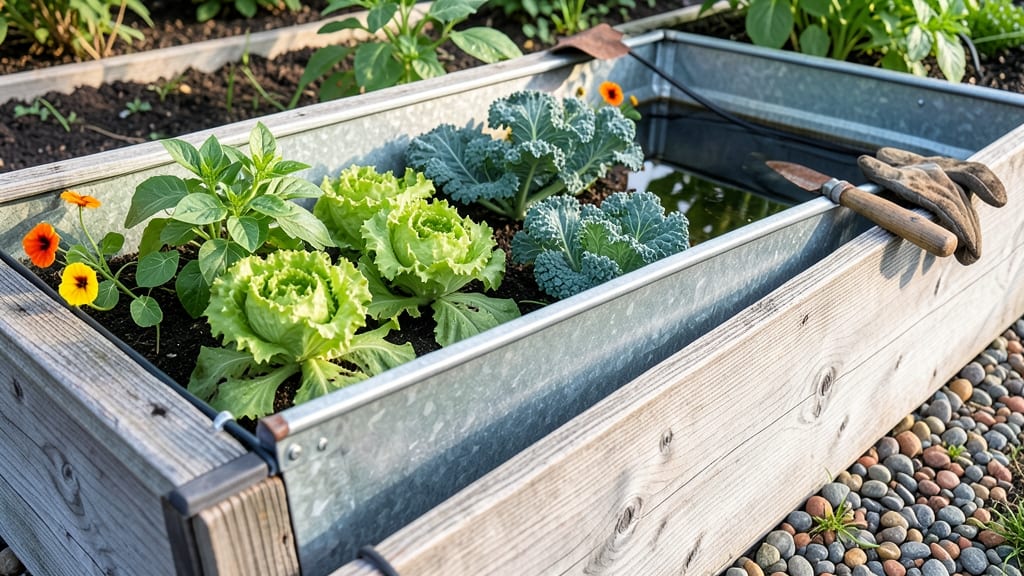
Repurposing water troughs into raised garden beds turns old stock tanks and livestock feeders into stylish, space-saving planters that double as water catchment systems.
If you've ever struggled with limited yard space or rising water bills, this creative solution might just be the game-changer you've been waiting for. These troughs—originally designed for animals—hold moisture like a sponge while giving your garden a rustic, industrial-chic edge.
Beyond their practicality, water trough raised garden beds let you grow more with less. Whether you're cultivating herbs, salad greens, or even small fruit trees, the deep soil and built-in irrigation mean fewer chores and healthier plants. Plus, they fit snugly into urban balconies or rural homesteads alike.
Ready to dive in? I’ll walk you through the best materials, plant pairings, and DIY setup tips to turn your troughs into thriving green spaces—without breaking the bank or the back.
How water trough raised garden beds save space and water
If you've ever struggled with limited garden space or water conservation, repurposed water trough raised garden beds might be your game-changer. These clever designs transform discarded livestock troughs into stylish, functional planters that maximize vertical space while minimizing water waste through self-contained irrigation.
Whether you're working with a tiny balcony or a small backyard, trough gardens offer a sustainable solution that's both practical and aesthetically pleasing.
One of the biggest advantages is their space-saving design. Traditional raised beds take up valuable ground space, but troughs can be stacked vertically or mounted on walls, creating a multi-level garden that fits almost anywhere.
This vertical approach is perfect for urban gardeners or anyone looking to grow more without expanding their footprint. Plus, the contained nature of troughs means you can grow plants that might otherwise struggle in compacted soil.
The water-saving benefits are equally impressive. Many troughs come with built-in water retention features, allowing you to create a self-watering system that reduces evaporation and runoff.
By adding a simple wicking system or drip irrigation, you can ensure your plants get just the right amount of moisture without the hassle of daily watering. This is especially valuable in drought-prone areas or for busy gardeners who want low-maintenance solutions.
Now, let's explore the three most popular material options for water trough raised garden beds—plastic, metal, and wood—and how each impacts your garden's success.
When choosing a material, consider your climate and plant needs. For example, plastic troughs are ideal for beginners or those with limited space, as they're lightweight and easy to move.
If you're going for a rustic look and live in a cooler climate, metal troughs can add character while providing excellent drainage. Meanwhile, wooden troughs offer the most natural feel and are perfect for long-term vegetable gardens, though they require more maintenance to prevent rot.
Another key consideration is how you'll modify the trough for gardening. Most troughs need drainage holes added along the bottom to prevent waterlogging, which can lead to root rot.
I recommend using a drill with a step bit to create uniform holes—aim for about 1/4-inch diameter spaced every 6-12 inches. For added water retention, line the bottom with landscape fabric before adding soil, creating a simple wicking system that keeps roots hydrated longer.
Don't overlook the soil mix—this is where your plants will truly thrive. A well-draining blend of 60% topsoil, 30% compost, and 10% perlite or sand works wonders for most trough gardens. This ratio ensures proper aeration while retaining enough moisture for your plants' needs.
For water-efficient plants like succulents or herbs, you can reduce the compost slightly to about 20% to cut down on watering frequency.
One of my favorite features of trough gardens is their versatility in layout. You can arrange them horizontally for a traditional look, stack them vertically for maximum space efficiency, or even mount them on walls to create a living green wall.
For urban spaces, consider modular trough systems that interlock or nest together, making it easy to expand your garden as needed. Just ensure your setup allows for proper airflow and sunlight access—most plants need at least 6 hours of sunlight daily.
To further enhance water efficiency, I recommend installing a simple drip irrigation system or even a DIY wicking bed. For drip irrigation, use 1/4-inch tubing with emitters spaced every 12-18 inches along the trough's length.
This system delivers water directly to the roots, reducing evaporation by up to 30% compared to overhead watering. For wicking beds, place a reservoir bag at the bottom of the trough and fill it with water—capillary action will gradually hydrate the soil above.
Finally, choose plants that thrive in contained environments to maximize your trough garden's success. Herbs like basil, thyme, and rosemary do exceptionally well, as do shallow-rooted vegetables like lettuce, spinach, and radishes. For warmer climates, consider drought-resistant options like lavender, oregano, or Swiss chard.
Always check your plants' mature size to ensure they won't outgrow the space—most troughs are only 12-18 inches deep, so deep-rooted plants like carrots or potatoes may need shallower varieties.
With a little creativity, your water trough raised garden bed can become a stunning focal point while saving both space and water. Whether you're growing herbs for your kitchen or vibrant flowers for your patio, these innovative planters prove that sustainability and style can go hand in hand. 🌱
Best plants for water trough raised garden beds by climate zone
Water trough raised garden beds are perfect for growing plants that thrive in shallow soil and need minimal space. The key is selecting varieties with shallow roots and drought tolerance, as these containers dry out faster than traditional beds.
I’ve curated plant lists tailored to cool, temperate, and warm climates, ensuring your trough garden stays lush and productive year-round.
For cool climates (USDA Zones 1-5), focus on hardy herbs, leafy greens, and cold-resistant vegetables. In temperate zones (6-8), you’ll find versatile annuals and perennials that handle moderate temperatures. Warm climates (9-11) demand heat-loving plants like peppers, okra, and succulents that thrive in dry conditions.
Each category includes care tips to maximize your trough’s potential.
🌱 Did You Know? Water troughs retain moisture longer than open beds, making them ideal for drought-resistant plants like thyme, rosemary, and Swiss chard. Their compact size also allows for vertical stacking, doubling your growing space in small areas.
| Climate Zone | Best Plants | Sun Needs | Water Needs | Care Tips |
|---|---|---|---|---|
| Cool (Zones 1-5) | Kale, Swiss chard, thyme, parsley, mint | Partial sun to full sun | Moderate (water 2-3x/week) | Mulch to retain moisture; harvest outer leaves first |
| Temperate (Zones 6-8) | Basil, lettuce, radishes, rosemary, strawberries | Full sun to partial shade | Low to moderate (water 1-2x/week) | Rotate crops annually; prune herbs regularly |
| Warm (Zones 9-11) | Peppers, okra, succulents, oregano, lemongrass | Full sun (6+ hours) | Low (water 1x/week) | Use gravel mulch; avoid overhead watering |
In cool climates, prioritize plants like Swiss chard and thyme, which tolerate frost and thrive in shallow soil. These varieties also self-regulate water needs, making them perfect for troughs that dry out quickly.
I recommend adding a 1-inch layer of mulch to lock in moisture and suppress weeds.
For temperate zones, basil and strawberries are standout performers. Basil loves warmth but benefits from afternoon shade in hotter months, while strawberries produce sweeter fruit in cooler weather. Both plants appreciate well-draining soil, so mix in perlite or coarse sand when filling your trough.
If you’re in a warm climate, lean into drought-loving succulents and peppers, which flourish with minimal water. Succulents like sedum or echeveria store water in their leaves, while peppers thrive in heat as long as they get consistent moisture at the roots.
Avoid overhead watering to prevent fungal issues.
Pro tip: Group plants with similar water and sun needs together in your trough. This simplifies care and ensures no plant is over- or under-watered. For example, pair drought-resistant herbs like rosemary with succulents in one trough, while another can hold moisture-loving lettuce and radishes.