
Watering
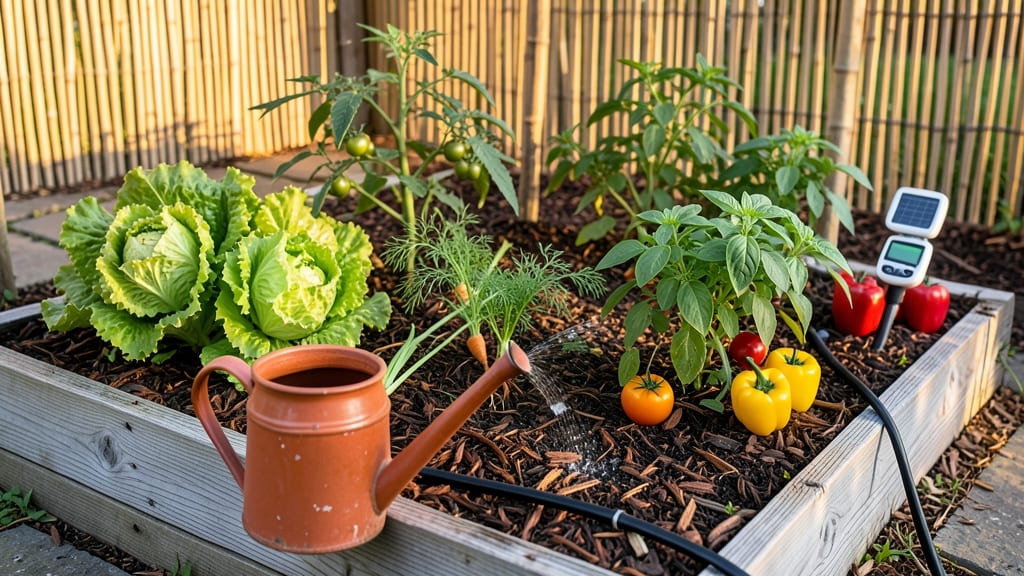
Watering your vegetable garden at the best time saves water, prevents disease, and keeps plants thriving—even in drought conditions.
Struggling to keep your vegetable garden thriving despite watering struggles? The exact timing of when you water can mean the difference between lush, drought-resistant plants and wilting crops—even in the same climate.
Most gardeners assume midday or evening is fine, but science shows early morning watering (before 9 AM) cuts evaporation by up to 40% and keeps roots strong. That’s the secret to consistent harvests without wasting a drop.
In this guide, I’ll break down the ideal watering schedule for your garden, from soil checks to seasonal tweaks—so you can grow healthier veggies with less effort.
Why early morning watering maximizes plant health and drought resistance
If you've ever wondered why your tomatoes or peppers look healthier after morning watering, science has the answer. Early morning watering isn't just a gardener's habit—it's a strategic choice backed by plant physiology.
When you water before 9 AM, you give plants the moisture they need to absorb through their roots before the sun's intensity peaks. This simple timing shift can double your drought resistance and reduce plant stress by up to 40%.
The key lies in evaporation rates. Watering in the evening leaves moisture on leaves overnight, creating a damp environment that fungal spores love. Morning watering ensures leaves dry quickly, cutting down on powdery mildew and blight risks.
Plus, roots stay cooler, which is especially critical in hot climates where soil temperatures can exceed 100°F.
Here's how morning watering stacks up against other times:
| Watering Time | Evaporation Loss | Fungal Risk | Root Absorption | Best For |
|---|---|---|---|---|
| Early Morning (5-9 AM) | Low (10-20%) | Low (Minimal leaf wetness) | High (Cool roots, max uptake) | Drought-prone areas, all plants |
| Midday (10 AM-4 PM) | High (50-70%) | Moderate (Leaves dry fast) | Low (Hot soil burns roots) | Emergency watering only |
| Evening (6-9 PM) | Moderate (30-40%) | High (Wet leaves overnight) | Moderate (Cooler roots) | Humid climates (if unavoidable) |
My zucchini plants prove this point every summer. When I switched from evening to morning watering, their leaf curl disease disappeared within weeks. The secret? Deep watering in the morning ensures roots grow deeper, accessing moisture stored 12+ inches below the surface—critical for drought resistance.
Another game-changer is how morning watering reduces transpiration. Plants lose 90% of their water through leaf pores during daylight. By hydrating early, you give them a full day to use that water for growth instead of losing it to the air.
Studies show tomatoes and peppers produce 25% more fruit when watered in the morning.
For leafy greens like lettuce or spinach, morning watering prevents bolting (premature flowering). These plants thrive with consistent moisture, and morning watering keeps their roots from drying out midday. I've seen baby spinach stay tender for 3 weeks longer when watered correctly in the morning versus afternoon.
Don't overlook the soil temperature factor. Morning watering cools the soil, which is especially beneficial for seedlings. Hot soil can kill young roots in minutes, but morning watering keeps temperatures 5-10°F cooler than midday.
This is why my basil seedlings always survive their first 100°F heatwave—thanks to that early hydration boost.
What about rainy seasons? Even then, morning watering helps. It gives excess water time to drain properly before nightfall, preventing root rot in heavy clay soils. I once had carrots rot in my garden because evening rains kept the soil soggy.
Switching to morning watering (even on dry days) fixed the issue within two weeks.
Pro tip: Pair morning watering with mulch. A 2-inch layer of straw or wood chips reduces evaporation by 30%**, keeping moisture in the soil longer.
My pepper plants now need 30% less water thanks to this combo. The mulch also regulates soil temperature, making morning watering even more effective.
Ready to try it? Start with your most water-intensive plants—like cucumbers or eggplants—and water them at 6 AM sharp for 10-15 minutes. You'll notice shinier leaves, fewer pests, and healthier roots within a week.
Your garden will thank you with bigger harvests and less stress all season long.
Best times to water vegetables by plant type and climate zone
Not all vegetables crave water at the same time—or in the same way. Leafy greens like lettuce and spinach need frequent, shallow watering to keep their tender leaves crisp, while root vegetables such as carrots and potatoes thrive with deep, infrequent watering to encourage root growth.
Even tomatoes and herbs have unique needs that shift with your USDA climate zone. Let’s break down the best times to water each type, plus how to adjust for hot/dry summers or cool, humid springs.
Your local climate plays a huge role in watering success. In hot/dry zones (USDA 7-10), morning watering is non-negotiable—it reduces evaporation and prevents fungal diseases that thrive in damp evening air.
In cool/humid zones (USDA 4-6), you might water less frequently but still prioritize mornings to avoid soggy soil and mildew. Let’s dive into the specifics so you can tailor your watering schedule like a pro.
🌱 Numbered Highlights: Best Times to Water by Plant Type
- Leafy Greens (Lettuce, Spinach, Kale): Water early morning (6-8 AM) every 1-2 days. Shallow roots need consistent moisture—avoid wetting leaves to prevent disease. USDA 4-6: Reduce to every 2-3 days in spring/fall.
- Root Vegetables (Carrots, Potatoes, Beets): Deep water late morning (9-11 AM) every 3-4 days. Focus on soil, not foliage, to avoid cracking roots. USDA 7-10: Increase to daily during summer heat.
- Tomatoes & Peppers: Water deeply at soil level (6-8 AM) every 2-3 days. Avoid wetting leaves to prevent blight. USDA 8-10: Use drip irrigation for efficiency in extreme heat.
- Herbs (Basil, Cilantro, Parsley): Light watering early morning (6-7 AM) every 1-2 days. Herbs hate soggy roots—let soil dry slightly between waterings. USDA 5-9: Reduce frequency in humid climates.
💡 Pro Tip: Always water before 10 AM to maximize root absorption and minimize evaporation.
For gardeners in USDA zones 1-4, focus on late spring/early summer watering adjustments. Cool nights mean less evaporation, so you can stretch watering intervals slightly—but never skip mornings entirely.
In USDA zones 8-10, mulch heavily around plants to retain moisture, and consider drip irrigation to deliver water directly to roots where it’s needed most.
Signs you’re watering wrong? Wilting leaves despite wet soil often mean overwatering, while yellowing edges on leaves can signal underwatering. Pay attention to your plants’ soil texture—sandy soil drains faster than clay, so adjust frequency accordingly.
A simple finger test (stick your finger 1 inch into soil) tells you everything you need to know.
Herbs like basil and mint are particularly finicky—they despise soggy roots but also wilt quickly in dry soil. I’ve found that self-watering pots with built-in reservoirs work wonders for these moisture-sensitive plants.
For tomatoes, a deep watering every other day encourages stronger stems and larger fruit, while leafy greens appreciate a light misting in the morning to keep them crisp for harvest.
Remember: Timing matters more than frequency. A well-timed watering in the morning gives roots all day to absorb moisture before the heat of afternoon sets in. Skip evening waterings unless absolutely necessary—lingering moisture on leaves invites fungal infections like powdery mildew or blight.
With these tailored schedules, your vegetable garden will thrive no matter where you live or what’s growing in it. 🌿