
Light Requirements
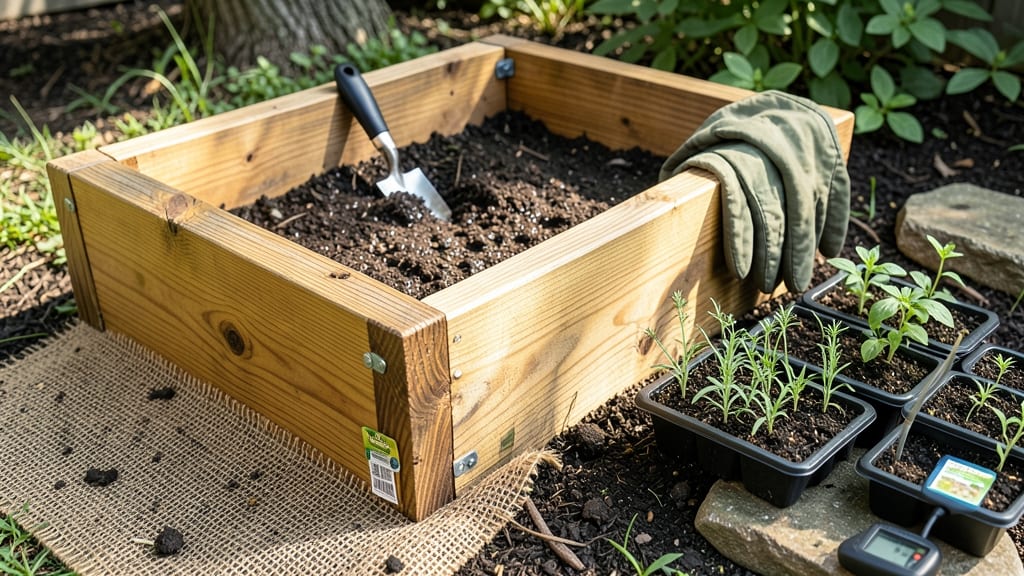
For an 8x4x2 raised garden bed, you'll need about 1.2 cubic yards (32 cubic feet) of soil to fill it completely to standard planting depth. However, deeper-rooted vegetables like carrots or potatoes will require extra soil depth or a modified mix to support their growth needs.
This calculation assumes a 6-8 inch soil depth, which works perfectly for most vegetables, herbs, and shallow-rooted plants. 🌱 But if you're growing root crops that need 12+ inches of soil, you'll either need to extend the bed height or use a specialized soil blend with added organic matter.
Many gardeners opt for a 3:1 ratio of topsoil to compost to improve drainage and fertility, especially for heavy feeders like tomatoes or peppers.
Pro tip: Always account for 10-15% extra soil to compensate for settling over time. I like to mix in perlite or vermiculite for better aeration, especially if your native soil is dense. This simple adjustment can make all the difference in root development and plant health.
💡 In This Article
- Calculating Soil Depth for Different Plant Types
- Best Soil Mixes for an 8x4x2 Raised Bed
Calculating soil depth for different plant types
The volume of soil you need in an 8x4x2 raised bed depends entirely on what you're planting. Most vegetables thrive in 6-8 inches of soil, but root crops like carrots or beets demand 12+ inches to develop properly.
For example, a 10-inch soil depth would require about 1.6 cubic yards (43 cubic feet) of soil instead of the standard 1.2 cubic yards—that's an extra 0.4 cubic yards (11 cubic feet) just for deeper roots!
Leafy greens like lettuce or spinach are the most forgiving, often happy in just 4-6 inches of loose, fertile soil. Fruiting plants such as tomatoes or peppers need 8-12 inches to support their heavy foliage and root systems.
The key is matching soil depth to the plant's mature root zone—carrots can grow roots up to 16 inches long, while strawberries only need 6-8 inches but prefer well-draining mixes. 🌿
If you're growing a mix of plants, consider dividing the bed into sections with different soil depths. For instance, dedicate one side to root crops with deeper soil and another to greens with shallower layers.
This zoning approach maximizes space while meeting each plant's specific needs. I've found that adding 2-3 inches of compost to the bottom layer improves drainage and nutrient availability for all plants.
For plants with specialized needs, like potatoes which need 12-18 inches of loose soil to hill properly, you might need to extend the bed height or use a custom blend with 30-40% compost by volume.
The extra organic matter prevents compaction and encourages root penetration. This is especially important in clay-heavy soils where roots can suffocate without proper aeration.
One common mistake is underestimating how much soil will settle over time. Organic matter breaks down, and roots loosen the soil structure, creating 10-20% more space than initially filled. To account for this, always purchase 10-15% more soil than your calculations suggest.
For our 8x4x2 bed, that means ordering 1.35 cubic yards instead of 1.2 cubic yards to ensure you have enough for proper settling.
Consider these plant categories when planning your soil depth:
- Shallow-rooted plants: Lettuce, spinach, radishes (4-6 inches soil)
- Moderate-rooted plants: Tomatoes, peppers, bush beans (8-12 inches soil)
- Deep-rooted plants: Carrots, potatoes, asparagus (12-18 inches soil)
- Fruiting plants: Strawberries, herbs (6-10 inches soil with good drainage)
For maximum flexibility, I recommend building your raised bed with 12-inch height—this gives you the option to grow almost any vegetable without needing to modify the structure later.
The extra height also makes it easier to maintain proper soil temperature and moisture levels, especially in hot climates where shallow beds dry out quickly. 💧