
Companion Plants
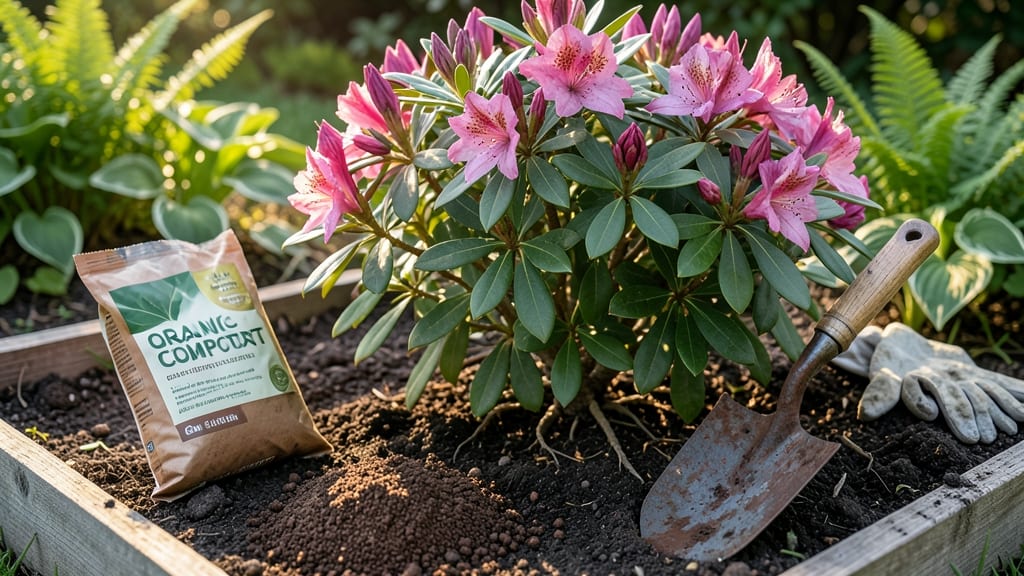
Garden plants that benefit most from coffee grounds are acid-loving varieties like azaleas, blueberries, and hydrangeas, plus nitrogen-hungry crops such as tomatoes, peppers, and roses. These grounds enhance soil fertility while naturally lowering pH, but should be used carefully to prevent over-acidification.
Coffee grounds work their magic through two key mechanisms: they release nitrogen as they decompose, feeding hungry plants like tomatoes and peppers, while their acidic nature helps acid-loving varieties like blueberries thrive. 🌱 The grounds also attract beneficial microbes that break down organic matter, creating a richer soil environment over time.
I've seen firsthand how a few tablespoons mixed into planting holes can give plants a noticeable growth boost within weeks.
What's crucial is understanding the balance—while these grounds are fantastic for acid-lovers, they can harm plants that prefer neutral or alkaline soil, like lavender or most vegetables.
Always compost them first if you're unsure about your plants' pH preferences, or use them sparingly as a top dressing that can be worked into the soil later.
💡 In This Article
- How Coffee Grounds Boost Soil and Plant Growth
- Best Practices for Using Coffee Grounds in Gardens
How coffee grounds boost soil and plant growth
Coffee grounds act as a natural fertilizer because they're rich in nitrogen—about 2% by weight—which plants crave for leafy growth. When grounds decompose, they release this nitrogen slowly over 2-4 weeks, creating a steady nutrient supply.
The process involves microbial breakdown where bacteria and fungi convert the organic matter into ammonium (NH₄⁺), which plants absorb through their roots. This is why nitrogen-loving crops like tomatoes and peppers show dramatic improvements when coffee grounds are added to their soil.
The acidity factor comes from chlorogenic acids in the grounds, which lower soil pH gradually—typically by 0.1-0.5 units depending on application rate. For acid-loving plants like blueberries, this creates ideal conditions (pH 4.5-5.5), while for others, it's a subtle adjustment.
The microbial activity also increases, breaking down other organic matter faster and creating a more porous soil structure that improves drainage and root penetration. 🌱
What's fascinating is how different plants respond: acid-lovers like azaleas and hydrangeas benefit from the pH drop, while nitrogen-seekers like roses and peppers thrive from the nutrient boost. The key is balance—too much can over-acidify soil or create ammonia burns if fresh grounds are used directly.
I've seen gardeners mix 1-2 cups per plant into planting holes for best results, but always compost first if you're unsure about your soil's current pH.
The long-term benefits extend beyond immediate growth. Over time, coffee grounds help build soil organic matter, improving water retention and reducing compaction. Studies show they can increase microbial diversity by up to 30%, creating a healthier ecosystem that naturally suppresses some pests.
This makes them particularly valuable for organic gardeners looking to reduce chemical inputs while enhancing soil fertility.
For maximum effectiveness, combine grounds with other organic materials like grass clippings or leaves to create a balanced compost mix. The carbon-to-nitrogen ratio improves decomposition, preventing odor and ensuring consistent nutrient release.
This approach works especially well for container gardens where soil volume is limited, providing a steady nutrient supply without overloading the root zone.
One common misconception is that all plants benefit equally from coffee grounds. In reality, plants like lavender or asparagus—which prefer neutral to alkaline soil—can suffer from over-acidification.
Always test your soil's pH before applying grounds, and consider using them as a top dressing that can be worked in later if you're unsure about your plants' preferences. 💫