
Fertilization
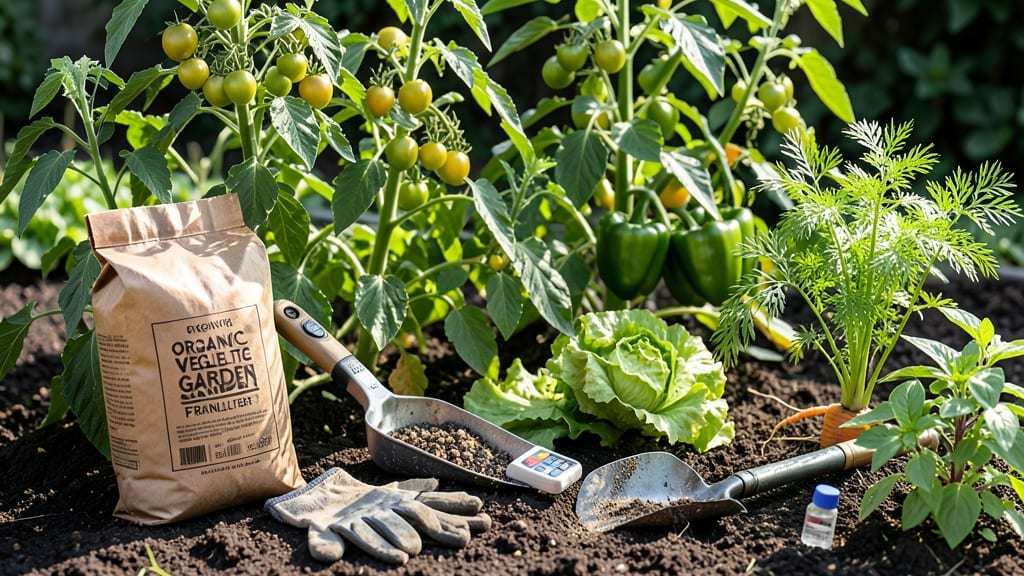
Fertilizing your veg garden at the right times means the difference between a garden that thrives and one that barely survives.
Timing your vegetable garden fertilization isn't just about throwing nutrients into the soil—it's the difference between a meager harvest and a bounty that puts your neighbors' green thumbs to shame. Get the schedule wrong, and you'll waste fertilizer (and money).
Most gardeners know spring is the prime time to feed 🌱 your plants, but the real secret lies in understanding how each crop responds at different stages. Leafy greens, for example, need a light touch early on, while heavy feeders like tomatoes demand more fuel as they fruit.
Below, I break down the exact seasonal schedule for your growing zone, plus how to spot when your plants are begging for nutrients—or when they've had enough.

Seasonal fertilizing schedule for vegetable gardens by plant type
Fertilizing your vegetable garden isn't a one-size-fits-all task—different plants crave nutrients at different stages. Leafy greens like spinach and kale need a gentle push in early spring, while heavy feeders like tomatoes and peppers demand more frequent feeding.
Even root crops such as carrots and beets respond best to timed fertilization. Without a schedule, you risk burning plants or wasting fertilizer. Let's break it down by plant type and season to maximize your harvest.
Your USDA hardiness zone plays a critical role in timing. For example, gardeners in Zone 6a (like many in the Midwest) can start fertilizing in early spring, while those in Zone 9b (like Southern California) may need to fertilize year-round for winter crops.
Always adjust for your local frost dates—last frost signals the start of active growth, while first frost marks the end of the season.
Here’s a quick reference for fertilizing by plant type, tailored to spring, summer, and fall growing seasons. This schedule assumes a balanced 10-10-10 fertilizer (nitrogen, phosphorus, potassium) unless otherwise noted.
| Plant Type | Spring (Mar-May) | Summer (Jun-Aug) | Fall (Sep-Nov) | Notes |
|---|---|---|---|---|
| Leafy Greens (Lettuce, Spinach, Kale) | Light feed at planting + 4-6 weeks later | Light feed every 6 weeks (avoid nitrogen late summer) | None (harvest before frost) | High nitrogen early, reduce later to prevent bolting |
| Root Crops (Carrots, Beets, Radishes) | Light feed at planting only | None (excess nitrogen = forked roots) | None | Over-fertilizing = poor root development |
| Fruiting Plants (Tomatoes, Peppers, Cucumbers) | Feed at planting + every 3 weeks | Feed every 2-3 weeks (high potassium for fruit) | Light feed in early fall for late crops | Use 5-10-10 or tomato-specific fertilizer |
| Heavy Feeders (Corn, Squash, Broccoli) | Feed at planting + every 4 weeks | Feed every 4 weeks (high nitrogen for foliage) | None (except winter squash) | Monitor for pests—fertilizer attracts them |
| Alliums (Onions, Garlic, Leeks) | Light feed at planting only | None (unless bolting occurs) | None | Too much nitrogen = poor bulb formation |
For spring planting, start with a balanced fertilizer at the time of transplanting.
Leafy greens and herbs like basil respond well to a light nitrogen boost every 4-6 weeks, but avoid overdoing it—yellow leaves often signal excess nitrogen. Tomatoes and peppers, on the other hand, thrive with phosphorus-rich fertilizers during flowering and fruiting stages.
Switch to a 5-10-10 or 7-7-7 blend once they start producing fruit to encourage strong yields.
In summer months, focus on potassium-rich fertilizers (like 0-0-50) to help plants withstand heat stress and prevent blossom-end rot in tomatoes. Root crops like carrots and beets should not receive extra fertilizer this time of year—too much nitrogen will cause them to split or fork.
Instead, prioritize organic mulch to retain moisture and cool the soil. For heavy feeders like corn, a side-dressing of compost or a slow-release fertilizer every 4 weeks keeps them growing strong.
As fall approaches, reduce fertilization entirely for most crops.
Plants like kale and Brussels sprouts benefit from a light feeding in early fall to boost cold-hardy growth, but avoid fertilizing after the first frost. Winter squash and garlic planted in fall may need a small nitrogen boost at planting, but no further feeding until spring.
Over-fertilizing in late summer or fall can lead to tender, frost-sensitive growth that won’t survive winter.
If you're in a warmer climate zone (like Zone 9b or 10a), you can extend your fertilizing schedule into winter months for crops like spinach, lettuce, and carrots. Use a low-nitrogen fertilizer (like 3-4-6) to encourage slow, steady growth without promoting rapid, frost-sensitive foliage.
Always water fertilizers deeply after application to prevent root burn, and avoid fertilizing within 48 hours of rain to reduce runoff.
Pro tip: Test your soil every 2-3 years to check pH and nutrient levels. Most vegetable gardens thrive in a pH of 6.0-7.0. If your soil is too acidic, add lime; if it’s too alkaline, incorporate sulfur or peat moss.
Adjust your fertilizing schedule based on these results—healthy soil means less fertilizer waste and happier plants.
Remember, organic fertilizers like compost, worm castings, and fish emulsion release nutrients slowly, reducing the risk of over-fertilization. For synthetic fertilizers, always follow the label instructions and split applications into smaller doses. Whether you're growing fast-maturing radishes or
Signs your vegetable plants need fertilizer (and when to hold off)
Your vegetable plants send clear signals when they're hungry for nutrients. Yellowing leaves, especially on older foliage, often mean nitrogen deficiency, while purple stems or slow growth can indicate phosphorus or potassium shortages.
These visual cues help you avoid over-fertilizing, which can burn roots and reduce yields. Understanding these signs ensures you feed your plants just when they need it most.
Before reaching for the fertilizer, check for stunted growth or small leaves—common signs your veggies aren’t getting enough nutrients. However, dark green leaves with slow growth might mean too much nitrogen, which can delay fruiting in tomatoes and peppers.
Pay attention to these subtle differences to avoid common mistakes that waste resources and harm your garden.
🌱
⚠️ When to Fertilize Your Veg Garden
Don’t fertilize if:
- 🌧️ Soil is waterlogged (wait until dry)
- 🌡️ Temps are above 85°F (stresses plants)
- 🌱 Plants are flowering/fruiting (except for heavy feeders like tomatoes)
- 📅 Late summer/fall (prep for dormancy)
✅ Best time to fertilize:
Early morning after watering, when soil is moist but not soggy and temps are below 80°F.
Test your soil’s pH naturally before fertilizing. Mix 1 part vinegar with 1 part water in a spray bottle and lightly mist the soil. If it fizzes, your pH is too alkaline (add sulfur).
For acidic soil, mix 1 part baking soda with 1 part water and apply sparingly. Aim for a pH of 6.0–7.0—most vegetables thrive in this range.
Heavy feeders like tomatoes, peppers, and corn show signs of hunger faster than others. Look for yellowing between leaf veins (iron deficiency) or brown leaf edges (magnesium deficiency).
For these crops, a balanced 10-10-10 fertilizer every 4–6 weeks keeps them productive. Light feeders like lettuce or radishes need less—overdoing it can lead to bitter flavors.
If your plants show crispy leaf edges or white crusts on soil, you’ve over-fertilized. Flush the soil with water to leach excess salts, and avoid fertilizing for 4–6 weeks. Always follow the "less is more" rule—vegetables grow best with steady, moderate nutrition rather than sudden spikes.
🌿