
Fertilization
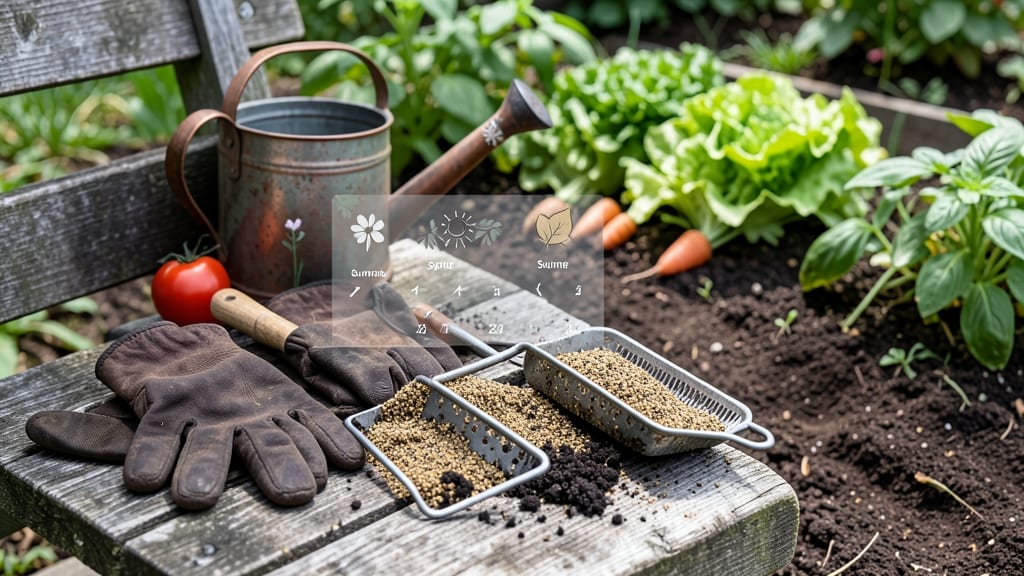
The best time to fertilize your garden aligns with plant growth stages and seasonal shifts—timing makes all the difference between thriving crops and wasted nutrients.
Picture this: you’ve just planted your 🌱 spring garden, eager for a bountiful harvest, only to watch your vegetables struggle because you fertilized at the wrong moment. That’s a common mistake, and it’s one you can easily avoid with the right schedule.
Fertilizing too early can stunt young roots, while waiting too long robs plants of the nutrients they need during critical growth phases. The key is feeding your garden when it’s actively growing—typically in early spring for a kickstart, mid-summer for blooming plants, and late summer for fruit-bearing crops.
In this guide, I’ll break down the exact seasonal windows for fertilizing, tailored to your climate zone and plant types, so you can maximize growth without overdoing it.

Seasonal fertilization schedule: when to feed plants by climate zone
Getting your fertilization timing right is like giving your garden a perfectly timed meal—too early, and nutrients go to waste; too late, and your plants miss critical growth spurts.
The best time to fertilize depends on your USDA climate zone, local growing season, and the specific needs of your plants. In temperate zones (5-8), early spring kickstarts growth, while tropical zones (9-11) may need year-round feeding with lighter applications.
Cold climates (USDA 3-4) require careful timing to avoid winter damage.
Most gardeners make the mistake of fertilizing on a fixed schedule (like every 4 weeks) without considering plant growth stages or seasonal shifts. For example, leafy greens thrive with nitrogen-heavy feeds in spring, while tomatoes and peppers need phosphorus and potassium when flowering.
Below, we break down the ideal fertilization calendar by climate zone, so you can feed your garden exactly when it needs it most.
🌱
| Climate Zone | Early Spring (Pre-Planting) | Active Growth (Spring-Summer) | Late Summer (Bloom/Fruit) | Fall/Winter (Perennials) | Key Nutrient Focus |
|---|---|---|---|---|---|
| USDA 3-4 (Cold) | Late April - Early May (After last frost) |
May - July (Every 3-4 weeks) |
August (Light feed) |
October (Slow-release for perennials) |
Nitrogen (spring) P/K (summer) |
| USDA 5-8 (Temperate) | March - April (Pre-planting) |
April - August (Every 4 weeks) |
July - September (Bloom stage) |
October - November (Light organic feed) |
Balanced (10-10-10) High P/K for flowers |
| USDA 9-11 (Tropical) | January - February (Light feed) |
Year-round (Every 6-8 weeks) |
June - August (Heavy bloom feed) |
December (Maintenance only) |
Light organic High K for fruiting |
| Desert (Zone 7+) | February (Post-rain only) |
March - May (Early morning) |
September (Fall planting) |
None (Dormant season) |
Slow-release Drought-tolerant blends |
For USDA zones 3-4, where winters are harsh, I always wait until soil temperatures reach at least 50°F (10°C) before applying any fertilizer. Cold soil locks out nutrients, making your feed money disappear.
In these zones, focus on compost and aged manure in early spring to gently wake up the soil without shocking tender roots.
In temperate zones (5-8), the golden rule is to fertilize every 4-6 weeks during active growth, but shift to phosphorus-heavy feeds (like 5-10-5) when you see flower buds forming. For example, my tomato plants in zone 6 get a potassium boost in July to prevent blossom end rot.
I also swear by foliar sprays of fish emulsion during hot spells to give plants a quick nutrient kick.
Tropical gardeners in zones 9-11 have it easier—plants grow year-round, but that doesn’t mean you can fertilize constantly. Instead, I use a light, organic feed every 6-8 weeks and ramp up to heavy phosphorus/potassium blends during peak fruiting seasons (like mango or avocado trees).
The key is avoiding salt buildup from synthetic fertilizers in sandy soils.
One mistake I
Plant growth stages that demand fertilization: from seedlings to harvest
Understanding when to fertilize your garden isn't just about throwing nutrients at your plants—it's about feeding them at the right biological moments when they can use them most efficiently. Each growth stage has unique nutrient demands, and missing these windows means wasted fertilizer and stunted growth.
For example, seedlings need gentle nourishment to establish roots, while flowering plants crave phosphorus to set fruit. Let's break down these critical stages so you can fertilize like a pro.
Fertilizing at the wrong time can backfire spectacularly. Too much nitrogen when your tomatoes are flowering? You'll get lush leaves but no fruit. Skip the potassium boost during fruiting? Your peppers might drop blossoms like it's snowing in July.
The key is matching your fertilizer's NPK ratio to your plant's current needs. Think of it like giving your plants a tailored vitamin shot at exactly the right moment in their lifecycle.
Action: Use light, balanced fertilizer (e.g., 5-5-5) to avoid burning tender roots. Seedlings are all about root development—think of this as their foundation phase.
Action: Switch to nitrogen-focused feed (e.g., 10-5-5) every 3-4 weeks. This is when your plants are building leafy biomass—like hitting the gym for foliage gains.
Action: Shift to phosphorus/potassium (e.g., 5-10-10). This supports blooms and fruit set—critical for tomatoes, peppers, and berries. Pro tip: Foliar sprays work wonders here for fast absorption.
Action: Apply a light potassium-rich feed (e.g., 0-0-50) to help plants store nutrients for next season. This is especially important for perennials and overwintering crops.
Don't overlook the post-harvest stage—this is when you're setting up your plants for next year's success. A light feeding in late summer or early fall helps perennials like asparagus and strawberries build reserves.
Even annuals benefit from a final nutrient boost to strengthen their roots before winter. Think of it as giving your garden a nutrient-rich bedtime story to dream of next season's growth.
Timing matters just as much as what you feed your plants. Always fertilize in the early morning or late afternoon to prevent leaf burn from the sun. Water your plants thoroughly before and after applying fertilizer to help nutrients penetrate the soil and reach roots.
This simple step can make the difference between a fertilizer that works and one that just sits on the surface, waiting to be washed away.
Pro tip: Pay attention to your plants' color and growth patterns. Yellowing leaves might signal nitrogen deficiency, while weak stems could mean you're overdoing it. Adjust your fertilization schedule based on what you see—your garden is always telling you what it needs if you know how to listen.
The right timing and nutrients can turn a struggling plant into a thriving powerhouse in just a few weeks.