
Light Requirements
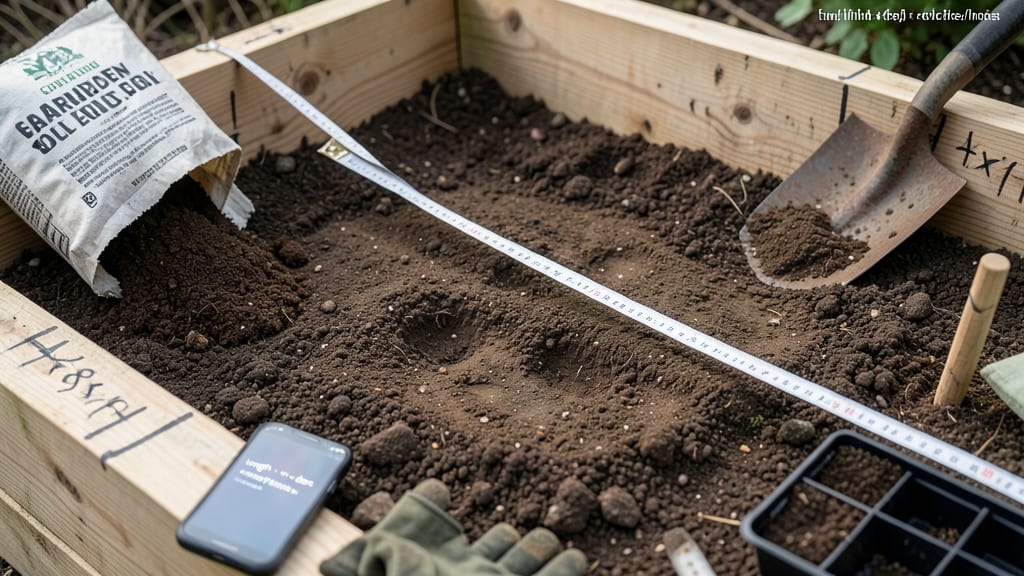
To determine how much dirt you need for your raised garden, calculate 1 cubic foot per square foot of garden bed, accounting for depth (6–12 inches typical). For example, a 4’x8’ bed needs 32–64 cubic feet, depending on soil depth. Always factor in compaction and organic matter adjustments for optimal plant growth.
Figuring out the right amount of soil for your raised garden isn't just about surface area—it's about volume. A 6-inch-deep bed requires 0.5 cubic feet per square foot, while 12-inch depth doubles that to 1 cubic foot per square foot.
Most gardeners aim for 8–12 inches to accommodate root growth, but deeper beds (up to 18 inches) work well for heavy feeders like tomatoes or corn. 🌱 The key is balancing depth with your plants' needs while avoiding overfilling, which can lead to poor drainage or wasted soil.
Don't forget that loose soil settles over time—always buy 10–20% more than your calculations suggest. For example, if your 4’x8’ bed calls for 48 cubic feet at 8 inches, round up to 55–60 cubic feet to account for compaction.
Mixing 60% topsoil, 30% compost, and 10% perlite creates an ideal blend that improves drainage while retaining moisture, saving you from buying extra bags later.
💡 In This Article
- Calculating Soil Volume for Raised Garden Beds
- Best Soil Mixes and Depth Guidelines for Raised Gardens
Calculating soil volume for raised garden beds
Understanding soil volume starts with the simple formula: length × width × depth = cubic feet. For a standard 4’x8’ raised bed, this means multiplying 4 feet by 8 feet by your chosen depth (e.g., 1 foot = 32 cubic feet).
However, most gardeners opt for 8–12 inches of soil depth, which translates to 0.67–1 cubic foot per square foot. The deeper the bed, the more soil you need—12-inch depth requires 1 cubic foot per square foot, while 6-inch depth only needs 0.5 cubic feet.
This cubic measurement accounts for the three-dimensional space your plants will occupy. 🌱
Depth matters because it directly impacts root growth and plant health. Shallow beds (6 inches) work for shallow-rooted plants like lettuce or radishes, but deeper beds (12+ inches) are ideal for vegetables like tomatoes or peppers, which need room to thrive.
For irregularly shaped beds, break them into rectangles, calculate each section separately, and sum the results. For example, an L-shaped bed (6’x4’ + 2’x4’) would require two separate calculations: 24 cubic feet (6’x4’x1’) + 8 cubic feet (2’x4’x1’) = 32 cubic feet for a 1-foot depth.
Loose soil settles over time, so always account for compaction. Freshly mixed soil can lose 20–30% of its volume after a few weeks as it settles and integrates with moisture. This means if your calculations suggest 40 cubic feet, buy 50–55 cubic feet to avoid running short.
The texture of your soil mix also affects volume—compost-heavy blends settle more than topsoil-dominant mixes. For instance, a 60% topsoil, 30% compost, 10% perlite mix will compact differently than a 50% topsoil, 50% compost blend, so adjust accordingly. ✨
Another critical factor is the type of soil you’re using. Bagged topsoil is often pre-compacted, meaning you’ll need slightly more volume than loose, fresh soil. For example, a bag labeled as containing 0.5 cubic feet might actually yield only 0.4 cubic feet once spread in your bed.
To avoid surprises, measure your bed’s volume first, then add 10–20% extra to your total. This buffer ensures you won’t be scrambling to buy more soil mid-project, especially if you’re working with heavy or clay-based soils that compact easily.
Pro tip: Use a simple online cubic feet calculator or a physical measuring tool like a tape measure and a shovel to verify your estimates. For instance, a 3’x6’ bed at 10 inches deep requires 18 cubic feet (3x6x0.83 = 14.94, rounded up).
Double-check by filling the bed with a known volume of soil (e.g., a 5-gallon bucket holds about 0.07 cubic feet) to confirm your math. This hands-on approach prevents costly mistakes and ensures your garden has the right foundation for healthy growth. 💪
Finally, consider the weight of your soil. A cubic foot of topsoil typically weighs 40–50 pounds, while compost is lighter (20–30 pounds per cubic foot).
If your raised bed is on a deck or patio, ensure the surface can support the weight—12-inch-deep beds can add 1,000+ pounds for a 4’x8’ garden! Plan for delivery or multiple trips if lifting heavy bags manually. 🚛