
Tools
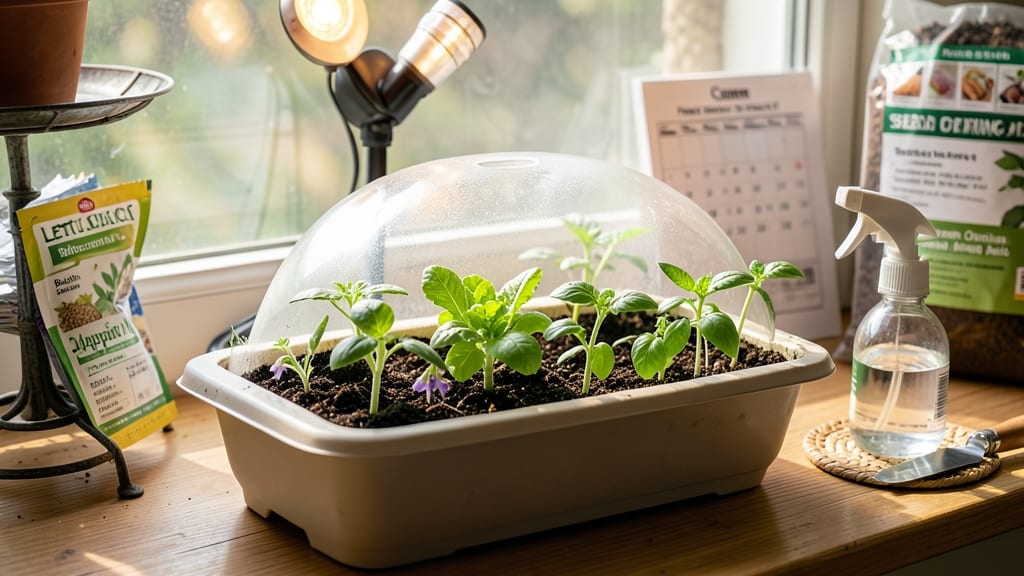
Starting garden seeds at the right time means the difference between a bountiful harvest and a wasted season — and the perfect window depends on your plants, your zone, and whether you’re sowing indoors or out.
Timing is everything in gardening—plant your seeds too early, and you’ll waste resources; too late, and your harvest suffers. But knowing exactly when to start garden seeds indoors or outdoors depends on your climate, plant type, and last frost date.
For Zone 6a gardeners like me, cool-season crops like spinach or peas can go in the ground as early as March, while heat-lovers like tomatoes need a head start indoors by late February. The key? Matching your seed’s days-to-maturity with your frost-free window.
Below, I break down the step-by-step timing for indoor vs. outdoor starts, common mistakes to avoid, and a customizable timeline tool to nail your planting schedule—no guesswork required.
How to calculate indoor seed starting dates by plant type
Calculating when to start garden seeds indoors is like solving a puzzle—each piece (your last frost date, days-to-maturity, and plant type) fits together to create the perfect timeline.
Cool-season crops like kale and peas thrive when started 6–8 weeks before your last frost, while warm-season plants like tomatoes and peppers need 8–12 weeks indoors to avoid stunted growth. Without this timing, you risk seedlings outgrowing their containers or bolting before harvest.
Start by finding your USDA zone and average last frost date (use the National Weather Service or local extension office). For example, in Zone 6a, the last frost typically falls on April 15, but in Zone 9a, it’s February 15.
These dates are your anchor points for planning. Next, check the days-to-maturity on your seed packet—this tells you how long the plant needs from seed to harvest.
For cool-season crops, subtract the days-to-maturity from your last frost date to find your indoor start date. For instance, if your spinach takes 45 days to mature and your last frost is April 15, start seeds by February 21.
Warm-season crops require a different approach: add 4–6 weeks to your last frost date to account for transplant shock, then subtract the days-to-maturity. A tomato with 80 days to harvest in Zone 6a should start indoors by March 1.
Here’s the catch: seedling age matters just as much as timing. Most seedlings thrive when transplanted at 4–6 weeks old, but delicate plants like broccoli need 3–4 weeks indoors, while hardy herbs like parsley can handle 8+ weeks.
Overcrowding or underlighting can delay growth, throwing off your entire schedule. Use grow lights if your windowsill doesn’t provide 12–16 hours of light daily—seedlings stretch toward weak light, becoming leggy and weak.
🌱
Don’t forget to adjust your timeline for USDA zones outside of 6a. In Zone 5a, where the last frost is May 15, start tomatoes by March 1 (10 weeks before transplanting).
Conversely, in Zone 8a (last frost March 1), you can start peppers as early as January 15. Use a gardening calendar app or spreadsheet to track your progress—note the date you sow, when seedlings emerge, and when to harden them off before transplanting.
Pro tip: Succession planting is your secret weapon for a continuous harvest. For example, sow lettuce every 2 weeks from February to August to enjoy fresh greens all season. Similarly, bush beans can be started indoors in March and again in June for a fall crop.
This method maximizes your garden space and ensures you’re never without homegrown produce.
If you’re new to seed starting, begin with easy-to-grow plants like basil, radishes,
Outdoor seed starting: best months for direct sowing by region
Direct sowing seeds outdoors cuts out the indoor starting hassle and often yields stronger plants. But timing varies wildly by plant type and climate zone. Cold-hardy crops like peas and spinach thrive when soil temps hit 40°F, while tomatoes and cucumbers need 60°F+ soil.
Your last frost date is your best guide—plant cool-season crops 2-4 weeks before it, and warm-season crops 2 weeks after.
Southern gardeners (Zones 7-10) enjoy longer growing seasons, so February-March is prime for cool crops, while April-May works for warm-season veggies.
Northern gardeners (Zones 3-6) should wait until May-June for most direct sowing, except for hardy greens like kale, which can go in early spring or late summer for a fall harvest.
Here’s the key trade-off: direct sowing saves time but risks seedling vulnerability to pests and weather. Starting indoors gives you control, but outdoors builds root resilience and avoids transplant shock. The right choice depends on your patience and local microclimate.
Direct Sowing: Pros & Cons
✅ Pros
- Stronger roots from natural growth
- No transplant shock for delicate seedlings
- Lower cost (no indoor setup needed)
- Better pest resistance (plants acclimate outdoors)
❌ Cons
- Slower growth in cool soil
- Higher pest risk for young plants
- Limited plant selection (some seeds need warmth)
- Weather-dependent (frost or heat can kill seeds)
🌱 Best for: Cold-hardy crops, large seeds (beans, peas), and gardeners with short seasons.
For cool-season crops like lettuce, carrots, and radishes, aim for early spring (March-April in warm zones, May in cold zones) or late summer (August-September) for a fall harvest.
These plants handle light frosts and even thrive in 50°F soil. Just avoid planting when soil temps drop below 40°F, or germination stalls.
Warm-season crops like tomatoes, peppers, and squash demand consistent warmth. Wait until after your last frost and when nighttime temps stay above 55°F. In Zone 5, that’s usually late May; in Zone 9, you can start as early as February.
Use black plastic mulch to warm soil faster if needed.
Pro tip: Test your soil temperature with a soil thermometer—it’s the real decider, not just the calendar. For fast-growing crops like radishes or bush beans, direct sowing is ideal. For slow growers like broccoli or cabbage, start indoors 4-6 weeks before your last frost, then transplant.
Remember, regional microclimates matter. A south-facing slope warms up faster than a shady valley, so adjust your timeline accordingly. And always water seeds deeply after planting to encourage strong root development—especially in dry spring soils.