
Tools
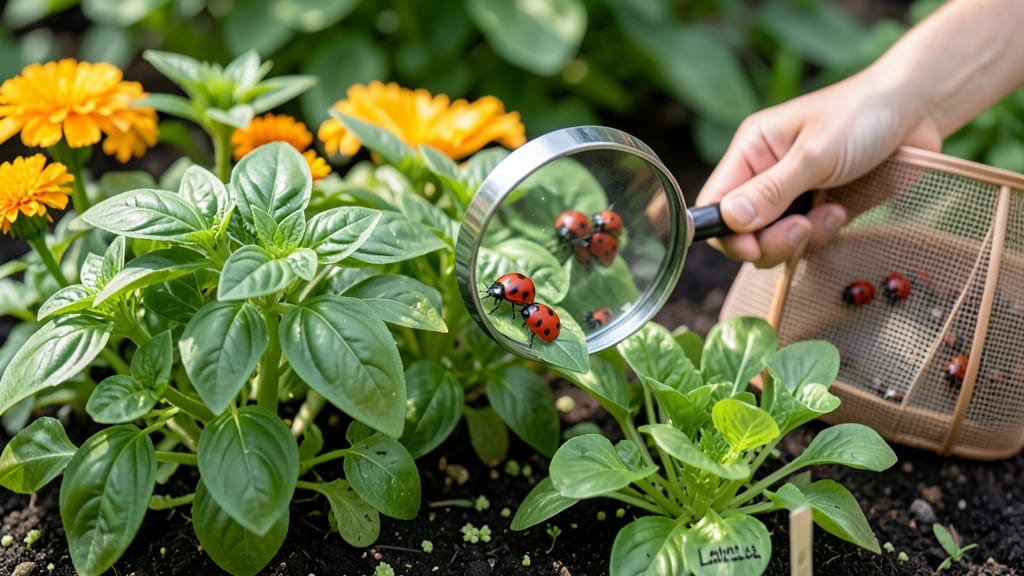
To get ladybugs for your garden, check local garden centers, nurseries, or agricultural extension offices for live releases. Online suppliers like Garden Safe, Arbico Organics, or specialty insectaries also ship beneficial insects nationwide.
Ladybugs are one of nature's best allies for organic pest control, and finding them is easier than you might think. 🌿 Many local garden supply stores stock them seasonally, especially in spring and summer when they're most active.
Agricultural extension offices often provide guidance on where to purchase healthy, active specimens—some even offer bulk discounts for larger gardens. If you prefer online shopping, look for suppliers with strong reviews and fast shipping, as ladybugs need to arrive alive and ready to work.
What sets apart reliable suppliers is their focus on live, active ladybugs rather than dormant ones. Always ask about the species—some, like Hippodamia convergens, are better at controlling aphids, while others may target different pests.
I recommend ordering in early morning to ensure they arrive fresh, and storing them in a cool, shaded spot until release. This small effort makes a big difference in their effectiveness once they're in your garden.
💡 In This Article
- How to Choose Healthy Ladybugs for Pest Control
- Best Local and Online Ladybug Suppliers Compared
How to choose healthy ladybugs for pest control
Selecting the right ladybug species is crucial because different types target specific pests. For instance, Hippodamia convergens (the most common species sold) specializes in aphids, while Adalia bipunctata prefers mites and soft-bodied insects.
The species you choose depends on your garden's primary pests—ask suppliers which type they offer and match it to your needs.
What most people don't realize is that some ladybugs, like Coccinella septempunctata, are invasive in North America and may outcompete native species, so always opt for native varieties when possible. 🔥
When verifying live and active specimens, look for ladybugs that are brightly colored, alert, and moving actively. Dormant ladybugs (often sold in winter) appear darker and sluggish, which means they won't start hunting pests immediately.
A healthy batch should have at least 70-80% of the ladybugs moving within 10 minutes of release from their container. Avoid any that smell musty or have visible signs of mold—this indicates poor storage conditions.
The best suppliers provide ladybugs in breathable mesh bags or ventilated containers to maintain oxygen flow during transit.
Timing your purchase matters too. Ladybugs are most effective when released in spring or early summer, when aphid populations are just starting to explode. If you order online, plan for next-day or 2-day shipping to ensure they arrive fresh.
Never store them in direct sunlight or extreme heat—ideal holding conditions are 60-70°F with indirect light. I've found that releasing them in the early morning or late afternoon gives them time to acclimate before nightfall, when they become less active.
What to avoid includes bulk orders of mixed species without clear documentation, as some may be invasive or ineffective against your pests. Also steer clear of suppliers that don't specify their ladybugs' origin—some may be sourced from areas with pesticide contamination.
Always ask for a guarantee of live delivery, and check reviews for feedback on shipping reliability. A reputable supplier will provide clear instructions on release timing and care, which can double your success rate.
Here’s a quick checklist for healthy ladybugs:
- Color: Vibrant red or orange (not dark or faded)
- Movement: Active and responsive to touch
- Smell: Fresh, with no musty or chemical odors
- Container: Breathable mesh or ventilated packaging
- Supplier Info: Clear species identification and origin details
Pro tip: If you're releasing ladybugs in a large garden, divide them into smaller groups (50-100 per release) and space them out over a few days. This mimics their natural dispersal pattern and improves their survival rate. 🌟