
Companion Plants
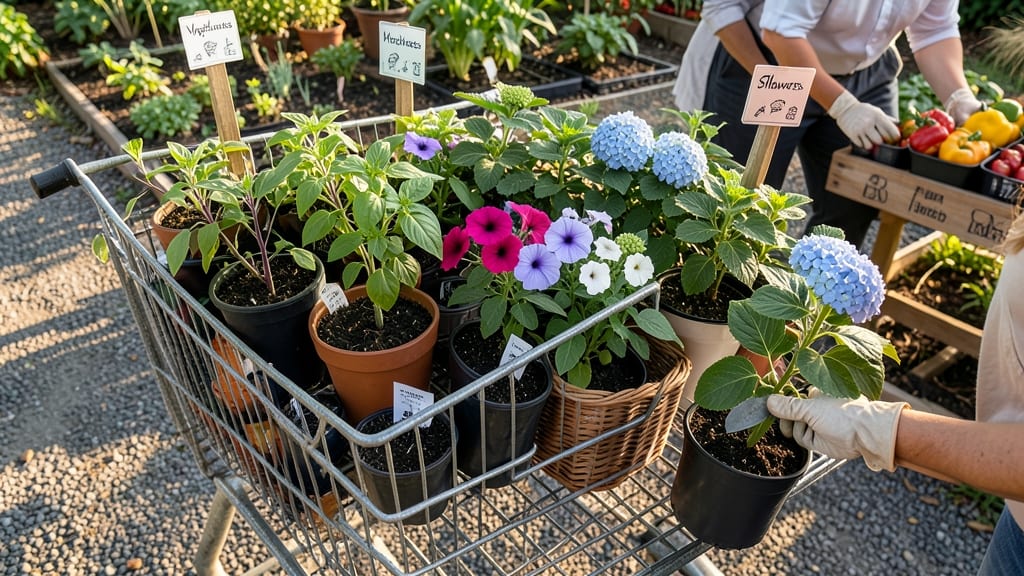
Where to buy garden plants depends on your needs: local nurseries offer fresh stock and expert advice, while online retailers like Burpee, Etsy, or Amazon provide rare varieties and convenience. Seasonal availability and shipping times should guide your choice.
Local nurseries give you the advantage of seeing plants in person before buying, which helps you assess health and size firsthand. 🌱 I've found that smaller, family-owned nurseries often carry heirloom varieties and organic options that big-box stores skip, plus they can offer personalized planting advice tailored to your climate.
For rare or seasonal plants, online retailers shine—many specialize in shipping hard-to-find species with protective packaging to ensure they arrive alive and thriving.
Online stores also let you browse thousands of options from anywhere, but timing matters: some plants ship only during specific seasons, and delivery windows can affect root health. I always check retailer reviews for shipping experiences, especially if you're ordering perennials or delicate flowers.
Pro tip: many online sellers offer "plant care guides" with your order, which can save you from common mistakes when transplanting.
💡 In This Article
- Local Nursery vs Online Plant Retailers: Key Differences
- Top Online Plant Stores for Specialty and Seasonal Garden Plants
Local nursery vs online plant retailers: key differences
Local nurseries offer the unmatched advantage of inspecting plants before purchase. When you walk into a well-stocked nursery, you can see the leaf color, root structure, and overall health of each plant—critical factors that online photos can't convey.
For example, a tomato seedling with dark green leaves and sturdy stems is far more likely to thrive than one with yellowing foliage, even if both look identical in a product image. 🌱 Nursery staff can also provide instant advice on soil preparation, sunlight requirements, and pest prevention tailored to your specific climate zone.
The physical presence of a nursery also means you can buy exactly what you need without worrying about shipping delays or damaged goods. Many local nurseries source plants from nearby farms, ensuring fresher stock than what you'd find at big-box stores.
However, their selection may be limited to what's currently in season or what fits their greenhouse space. For instance, while you might find 20 varieties of roses at a local nursery, a specialty online retailer could offer 100+ rare cultivars—including those only available through mail-order catalogs.
Online retailers excel in convenience and access to rare plants. Companies like Burpee and Fast-Growing Trees specialize in shipping plants with protective packaging that includes moisture retention gels and root shields.
These features dramatically improve survival rates for delicate species like orchids or bamboo, which often arrive wilted or damaged from other sellers. Online stores also provide detailed growing guides with each order, which can be invaluable for beginners. The downside?
Shipping times vary—some plants arrive in 2-5 business days, while others may take 2-4 weeks, especially if they're being grown from seed or propagated.
Return policies differ drastically between options. Most reputable online nurseries offer 30-90 day guarantees if plants arrive dead on delivery, while local nurseries typically have 7-14 day exchange policies for unhealthy stock.
I've seen cases where online orders included root rot prevention powder and transplanting instructions, features that local stores rarely provide. For seasonal plants like hollyhocks or lupines, online retailers often have extended shipping windows, allowing you to order in early spring for fall planting.
Consider your gardening goals when choosing. If you're a beginner or prefer hands-on learning, a local nursery's expertise and immediate access to advice can't be beat. For collectors or those seeking rare varieties, online retailers offer unparalleled selection—just be prepared to wait and research shipping practices carefully.
Many gardeners I know use a hybrid approach: they buy annuals and vegetables—like marigolds or zucchini plants—from local nurseries for freshness, while ordering perennials and exotic plants—like black mondo grass or blue fescue—from online specialists.
One often-overlooked factor is the environmental impact. Local purchases reduce carbon emissions from shipping, while online orders may contribute to packaging waste. Some eco-conscious online retailers now offer recyclable pots and biodegradable packaging, making them a greener choice than expected.
Always check a retailer's sustainability practices before ordering in bulk.