
Watering
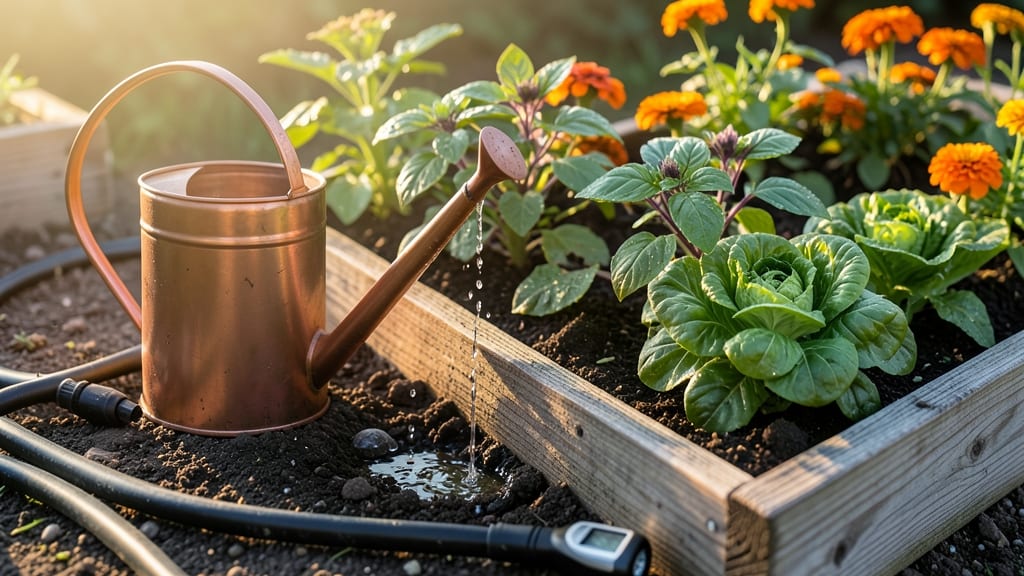
Watering your garden the right amount means giving plants just enough to thrive—not drowning roots or leaving them parched.
Overwatering or underwatering your garden can stunt growth, attract pests, or even kill your plants—yet most gardeners guess their watering schedule instead of following science-backed guidelines.
Whether you're dealing with sandy soil that drains too fast or clay that holds moisture like a sponge, the key is understanding how much water your garden truly needs.
A deep soak once or twice a week often works better than light daily sprinkles, but seasonal shifts and plant types change the rules.
In this guide, I’ll break down the exact watering schedule for your soil type, seasonal adjustments, and how to spot when you’re over- or underdoing it—so your 🌱 General Garden stays lush and healthy all season.
Soil-type watering guide: how deep and how often to water different gardens
Your garden's soil type determines how much and how often you should water. Clay soil holds moisture like a sponge, while sandy soil drains faster than water through a sieve.
Understanding these differences prevents overwatering or underwatering, both of which stress plants. Let’s break down the science-backed watering schedules for each soil type to keep your garden thriving.
Before diving into schedules, test your soil type with a simple jar test. Fill a jar with soil and water, then shake. Let it settle for 24 hours—clay layers at the bottom, sand stays loose, and loam shows distinct layers.
This quick test reveals your soil’s drainage and water retention traits, helping you tailor your watering approach.
Loamy soil, often called the "gold standard," balances drainage and moisture retention. It’s ideal for most plants and requires a moderate watering schedule—deep watering every 3-5 days. Silty soil, which feels smooth like flour, holds water longer than sand but drains faster than clay. Adjust your watering frequency based on your local climate and plant types.
Here’s a soil-specific watering guide to help you water efficiently and avoid common mistakes:
| Soil Type | Watering Depth | Frequency (Summer) | Moisture Check | Key Tips |
|---|---|---|---|---|
| Clay | 6-8 inches deep | Every 5-7 days | Top 2 inches dry | Avoid puddles; water slowly |
| Sandy | 4-6 inches deep | Every 2-3 days | Top 1 inch dry | Use mulch to retain moisture |
| Loamy | 5-7 inches deep | Every 3-5 days | Top 1.5 inches dry | Best for most plants; balance is key |
| Silty | 5-6 inches deep | Every 4-6 days | Top 1.5 inches dry | Prone to compaction; aerate occasionally |
For clay soil, water deeply but infrequently—this prevents surface crusting and encourages deep root growth. Use a soaker hose or drip irrigation to deliver water slowly and evenly. Sandy soil, on the other hand, drains so quickly that frequent, shallow watering can lead to nutrient loss.
Instead, water deeply every 2-3 days and apply a 2-3 inch layer of mulch to slow evaporation.
In loamy soil, aim for consistency. Water deeply every 3-5 days, ensuring the top 1.5 inches of soil dry out between sessions. This mimics natural rainfall patterns and promotes healthy root development.
For silty soil, monitor moisture closely—it can feel deceptively wet on the surface but dry out quickly deeper down. Adjust your schedule based on rainfall and plant types.
Always water in the early morning to reduce evaporation and fungal risks. Avoid evening watering, as damp leaves overnight can lead to powdery mildew or other diseases. Use a moisture meter or the finger test (stick your finger 1-2 inches into the soil) to check moisture levels accurately.
This simple habit saves water and keeps your plants happy.
Seasonal adjustments are crucial. In summer, increase frequency by 20-30% due to higher evaporation rates. In winter, reduce watering by half, as plants enter dormancy and soil retains moisture longer. Pay attention to visual cues like wilting leaves or yellowing foliage, which signal underwatering or overwatering, respectively.
Mulching is a game-changer for all soil types. A 3-inch layer of organic mulch, like shredded bark or straw, helps retain moisture, regulate soil temperature, and suppress weeds.
For clay soil, mulch prevents cracking, while for sandy soil, it slows rapid drainage. Always keep mulch a few inches away from plant stems to prevent rot.
Remember, overwatering is just as harmful as underwatering. Root rot, mold, and nutrient leaching are common consequences of excessive water. If your soil feels soggy or smells musty, cut back on watering and improve drainage with organic matter like compost.
With these soil-specific strategies, your garden will thrive with minimal effort and maximum efficiency.
Plant-specific watering schedules: tailoring irrigation for Vegetables, Flowers, and Herbs
Not all plants thirst the same way—some tomatoes need daily drinks while succulents barely sip once a week. Understanding your plants' unique needs prevents wilting, root rot, and wasted water. Let's break down the science behind plant-specific watering so you can give each type exactly what it craves.
Root depth plays a huge role: shallow-rooted lettuce and basil need frequent shallow watering, while deep-rooted roses and carrots benefit from deep, infrequent soaks. Seasonal adjustments also matter—summer heat demands more frequent watering, while winter slows plant metabolism, reducing needs. Let's dive into the specifics.
- 1 Vegetables: Tomatoes and peppers need 1-2 inches weekly (deep watering 2-3x/week). Leafy greens like spinach prefer 1 inch every 2-3 days.
- 2 Flowers: Annuals (like marigolds) need 1 inch every 2-3 days. Perennials (like lavender) thrive on 1 inch weekly, even in summer.
- 3 Herbs: Basil and cilantro love 1 inch every 2-3 days. Rosemary and thyme need 1 inch weekly—overwatering kills them!
- 4 Drought-Tolerant Plants: Succulents and sedum need water only when soil is completely dry (every 2-4 weeks). Check soil depth with your finger!
- 5 Seasonal Adjustments: Double watering in summer (morning only). Reduce to half in winter—plants rest!
Morning watering is a game-changer—it reduces fungal diseases by letting foliage dry quickly.
Use a moisture meter or the finger test (stick your finger 1-2 inches deep) to check soil moisture before watering. Mulch (2-3 inches) locks in moisture and keeps roots cool, cutting your watering needs by up to 30%.
Watch for wilting leaves (underwatering) or yellowing foliage (overwatering)—both signal your schedule needs tweaking. Tomatoes droop in heat but perk up after watering; succulents wrinkle when thirsty. Adjust based on these clues, not just a calendar. Consistency matters more than perfection!
Group plants with similar needs together in your garden layout. For example, pair basil with lettuce under drip irrigation, and place lavender with rosemary in a dry, sunny corner. This zone-based watering saves time and ensures every plant gets the right amount—no guesswork required.
Remember: deep watering encourages strong root systems, while shallow sprinkles create weak, thirsty plants. Invest in a soaker hose or drip irrigation for precision—your garden (and water bill) will thank you. Happy growing!