
How To
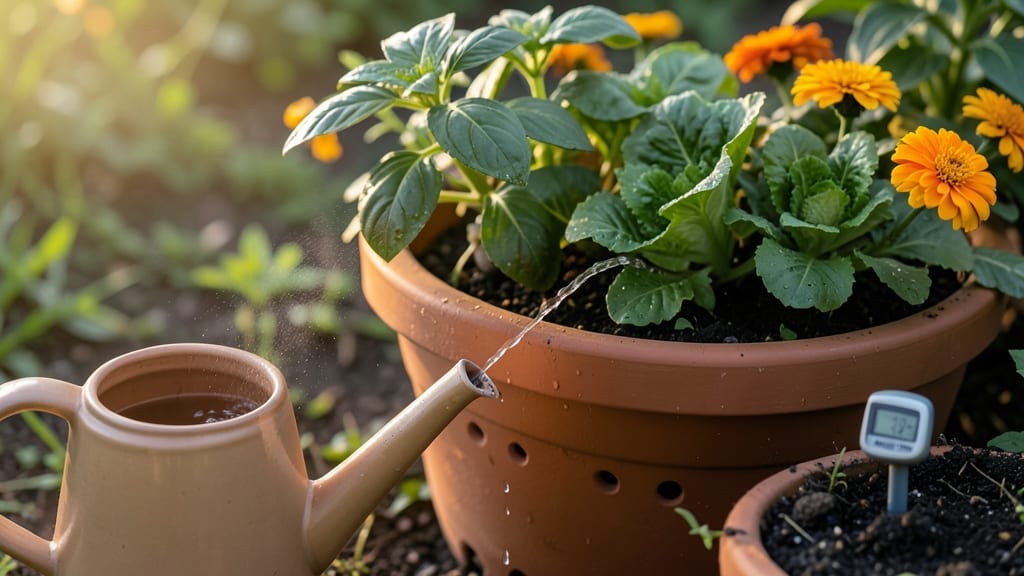
To water your garden the right way, check soil moisture 1-2 inches deep—that’s where roots actively drink, not just the surface.
Overwatering kills plants just as fast as underwatering—so knowing exactly when to water your garden isn’t just guesswork, it’s survival science. The right soil-moisture triggers can mean the difference between a thriving harvest and wasted seeds.
Most General Garden Plants 🌱 in Zone 6a need 1-2 inches of water per week, but that changes with heat, clay soil, or sandy beds. A quick finger test beats guesswork every time.
Below, I’ll break down the three key moisture triggers (and when to adjust), plus a plant-by-plant schedule for vegetables, flowers, and herbs—so you water less but smarter.
The 3 key soil-moisture triggers to water garden plants (with exact depths)
Mastering the art of soil-moisture checks is the secret weapon in my gardening toolkit. Most gardeners overwater by instinct—until their plants tell them it’s too late. The truth? Your garden’s watering schedule should start 1 inch below the soil surface, not at the top.
Let’s dive into the science-backed triggers that’ll keep your plants thriving without guesswork.
First up: the finger test, my go-to method for most garden beds. Stick your index finger 1–2 inches deep—if it feels dry, it’s time to water. For sandy soil, check the top inch since it drains faster.
Clay soil? Go deeper, up to 3 inches, because it holds moisture longer. This simple trick saves me from both overwatering and underwatering disasters every season.
🌱
Next, the trowel test reveals hidden moisture levels. Dig a small hole with your trowel—if the sides crumble easily, your soil’s too dry. If it stays compact, hold off on watering.
This method works best for deep-rooted plants like carrots or asparagus, where surface checks miss the full picture. I use this when my finger test feels unreliable, especially after heavy rains.
For tech-savvy gardeners, smart soil moisture meters take the guesswork out entirely. These devices give precise readings at multiple depths, often with apps to track patterns. I’ve used one for my container gardens—it’s a game-changer for herbs that need consistent moisture without soggy roots.
The downside? They’re an investment, but they pay for themselves in saved plants.
Now, let’s talk watering depths. Most garden plants need water to penetrate 6–12 inches deep, encouraging roots to grow downward. Shallow watering (just the top inch) creates weak, shallow roots that struggle in dry spells.
For vegetables like zucchini, aim for 1–2 inches of water per week, delivered in deep sessions rather than daily sprinkles.
Climate plays a huge role too. In hot, dry zones (like USDA Zone 9), I water early morning to reduce evaporation. In cooler climates (Zone 5), evening watering works better.
Always adjust for rainfall—my rule is to skip watering if we’ve had ½ inch of rain in 24 hours. A simple rain gauge keeps me honest.
One common mistake? Watering based on plant appearance instead of soil moisture. Wilting doesn’t always mean thirst—sometimes it’s root-bound stress or too much sun. Always check the soil first. I’ve lost count of the wilting plants that were actually overwatered, their roots suffocating in soggy soil.
For mulched beds, reduce watering by 30–50% since mulch retains moisture. Organic mulch like straw also improves soil structure over time. If you’re using drip irrigation, place emitters near root zones for maximum efficiency.
I’ve seen water wasteful hoses turn into precise systems that deliver moisture exactly where it’s needed.
Remember: consistency beats frequency. It’s better to water deeply once a week than lightly every day. This builds drought-resistant plants and saves time. Start with these triggers, and you’ll never second-guess your watering routine again.
💧
Watering schedule by plant type: how often to water vegetables, flowers, and herbs
Not all plants drink the same way—some thrive on daily sips, while others store water like cacti. Your tomatoes might beg for 1–2 inches of water weekly, but your roses could need deep watering every 3 days in summer.
The key? Understanding each plant’s root depth and climate needs. Let’s break it down by type so you never guess again.
Seasonal shifts change everything. In summer’s heat, most plants double their thirst, while winter dormancy lets you cut watering by half. Drought-resistant plants like lavender or succulents? They’re the low-maintenance MVPs of your garden.
But even they’ll wilt if ignored during heatwaves. Below, I’ve mapped out 12 must-know plants—plus their watering secrets—so you can set a schedule that keeps them happy without wasting a drop.
| Plant Type | Water Frequency (Summer) | Water Depth | Seasonal Adjustments | Drought Tolerance |
|---|---|---|---|---|
| Tomatoes | 1–2 inches weekly | 1–2 inches deep | Double in heatwaves | Moderate 🌡️ |
| Basil | Daily shallow water | Top 1 inch | Reduce in humidity | Low 💧 |
| Rosemary | Every 5–7 days | 1 inch deep | Cut to bi-weekly in winter | High ✅ |
| Marigolds | Every 3–4 days | ½ inch shallow | Skip in rainy seasons | Moderate 🌧️ |
| Lettuce | Every 2–3 days | ½–1 inch | Increase in spring | Low 🌱 |
| Zinnias | Every 4–5 days | 1 inch deep | Tolerates drought once established | High 🌻 |
| Peppers | 1–1.5 inches weekly | 1.5 inches deep | Critical in fruit-setting stage | Moderate 🌶️ |
| Lavender | Every 7–10 days | 1 inch deep | Never soggy—drought-loving | Very High 🌷 |
| Cucumbers | Daily (1–2 inches) | 1.5–2 inches | Mulch heavily to retain moisture | Low 🥒 |
| Sunflowers | Every 5–7 days | 1–2 inches | Reduce in late summer | Moderate 🌻 |
| Thyme | Every 7–10 days | ½ inch shallow |