
Watering
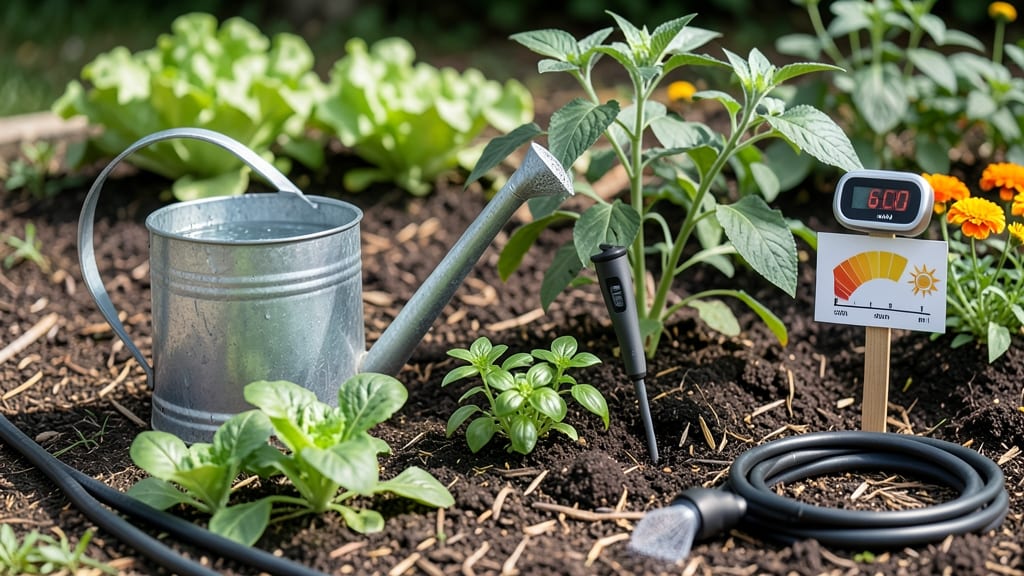
When’s the best time to water a garden? Early morning is the answer—before the sun climbs high and turns every drop into wasted steam.
Watering at the wrong time can waste hundreds of gallons a year while leaving your plants thirsty. I’ve seen it happen: a lush garden one week, crispy leaves the next, all because of a simple timing mistake.
The key isn’t just when you water—it’s how that timing works with your plants’ natural rhythms.
Morning watering gives roots time to soak up moisture before the heat kicks in, cutting evaporation by up to 30%. It also prevents fungal diseases that thrive in damp evening soil.
Whether you’re in Zone 6a or a hotter climate, the science behind this routine is the game-changer most gardeners miss.
In this guide, I’ll break down the exact morning schedule for your garden, how to adjust for different plants, and the 5 biggest watering mistakes that drain your resources—and your patience. Let’s make every drop count.
Why early morning watering boosts plant growth (science-backed timing)
Most gardeners water their plants based on habit rather than science—but timing makes all the difference. Early morning watering between 6 AM and 10 AM gives roots the oxygen they need while reducing fungal risks. This isn't just guesswork; it's rooted in plant physiology and evaporation science.
When you water in the morning, the soil has all day to absorb moisture before the sun peaks. Root systems expand more efficiently because the ground isn't competing with evaporation. Even container plants benefit from this routine, as their soil dries out faster than in-ground beds.
Here’s why this timing works better than evening watering or midday sprinkling:
| Time | Benefit | Science Behind It |
|---|---|---|
| 6 AM - 10 AM | Maximizes root oxygenation | Cooler temps slow evaporation, letting roots absorb water deeply. |
| Midday | Wastes water | High heat causes 90% evaporation before soil absorbs it. |
| Evening | Encourages fungal growth | Moist leaves overnight create ideal conditions for mildew. |
| Late Morning | Moderate absorption | Works for drought-tolerant plants but risks surface drying. |
Plants like tomatoes and peppers thrive with morning watering because their roots grow deeper when moisture is available early. Herbs such as basil also respond well, as their shallow roots need consistent hydration without soggy soil.
Your local climate plays a role too. In humid regions, morning watering prevents fungal spores from spreading, while in arid areas, it reduces water loss by up to 30% compared to midday watering.
Always check your soil—stick your finger 1-2 inches deep; if it's dry, water in the morning.
For container gardens, morning watering is non-negotiable. Pots dry out faster, and evening water can lead to root rot. Use a self-watering system if you travel often, but set it to release water before 9 AM for best results.
Even lawns benefit from morning watering. Grass blades stay dry during the day, reducing brown spots from fungal diseases. Aim for 1-1.5 inches of water per week, split into two morning sessions for deeper root growth.
If you’re in a coastal area with high humidity, morning watering is even more critical. Fungal diseases like powdery mildew thrive in damp conditions, and wet leaves at night create the perfect breeding ground. A quick shake of foliage after watering helps dry leaves faster.
For seedlings and young plants, morning watering is essential. Their root systems are fragile, and consistent moisture prevents stress. Use a fine mist setting on your hose or watering can to avoid disturbing tender stems.
Pro tip: Mulch your garden beds to retain moisture longer. Organic mulch like straw or wood chips keeps soil cool and reduces evaporation, making morning watering even more effective. Replenish mulch every few months to maintain its protective layer.
Remember, the goal is deep, infrequent watering that encourages roots to grow downward. Shallow watering—even in the morning—can create weak, shallow root systems. Aim for 1 inch of water per week for most plants, adjusting for rainfall.
Start your watering routine before 8 AM for optimal results. Your plants will thank you with stronger growth, fewer pests, and less wasted water—plus, you’ll save time and effort in the long run. 🌱
Step-by-step morning watering schedule for different plant types
Creating a morning watering schedule tailored to your garden’s needs can transform your plants’ health and save water. The key is timing—watering between 6 AM and 10 AM ensures moisture reaches roots before evaporation peaks.
But not all plants have the same needs. Vegetables, flowers, lawns, and container plants each thrive with slight adjustments to this routine.
Soil type and humidity also play critical roles. Sandy soil drains quickly, requiring more frequent but lighter watering, while clay soil holds moisture longer, needing deeper but less frequent sessions.
High humidity areas may need less water, whereas dry climates demand extra attention. Let’s break down the perfect morning schedule for each plant type to keep your garden thriving.
🌱 Morning Watering Schedule by Plant Type
- Vegetables (e.g., tomatoes, peppers, lettuce): Water deeply every morning at 6 AM to encourage root growth. Sandy soil? Add a second light watering at 10 AM. Avoid wetting leaves to prevent fungal diseases.
- Flowers (e.g., roses, petunias, marigolds): Water at 7 AM for 10-15 minutes per plant. High humidity? Reduce to every other morning and focus on the soil, not foliage.
- Lawns (cool-season grasses): Water early at 5 AM for 30-45 minutes to soak 4-6 inches deep. Clay soil? Water every 3 days; sandy soil? daily in short bursts to prevent runoff.
- Container plants (herbs, succulents, small veggies): Water at 8 AM when the top inch of soil feels dry. Succulents? Water every 5-7 days; herbs like basil need daily moisture in pots.
- Adjust for humidity/climate: In high humidity, water every other morning; in dry heat, water twice daily (6 AM + 5 PM) for delicate plants like lettuce.
For vegetables, I focus on deep watering in the morning to prevent wilting during the day. Tomatoes, for example, need consistent moisture—so I set my timer for 6 AM daily and use a soaker hose to deliver water directly to the roots.
This method cuts down on evaporation and keeps the foliage dry, reducing the risk of blight.
When it comes to flowers, I’ve learned that roses are particularly sensitive to overwatering. I water mine at 7 AM and only until the top 2 inches of soil are moist. If the forecast calls for rain, I skip the morning session entirely.
For container plants, I check soil moisture with my finger—if it’s dry an inch down, it’s time to water. Herbs like cilantro and parsley love this routine, while succulents in pots rarely need more than a weekly drink.
Lawns require a bit more strategy. I water my cool-season grass at 5 AM for a long, slow soak. The goal is to penetrate deep enough that the grass roots grow downward, making it drought-resistant.
In sandy soil, I water in shorter sessions twice a day during heatwaves, while clay soil holds moisture well, so I space out waterings to every 3 days.
One of my biggest adjustments comes with seasonal changes. In summer, I start watering as early as 4 AM to beat the heat, while in spring, a 7 AM schedule works perfectly.
Always check the weather forecast—if rain is expected, I hold off until the next morning to avoid overwatering.
By following this morning watering schedule, you’ll see stronger roots, healthier plants, and less wasted water. Start with these guidelines, then tweak based on your garden’s unique conditions. Your plants will thank you with vibrant blooms and bountiful harvests! 🌿