
How To
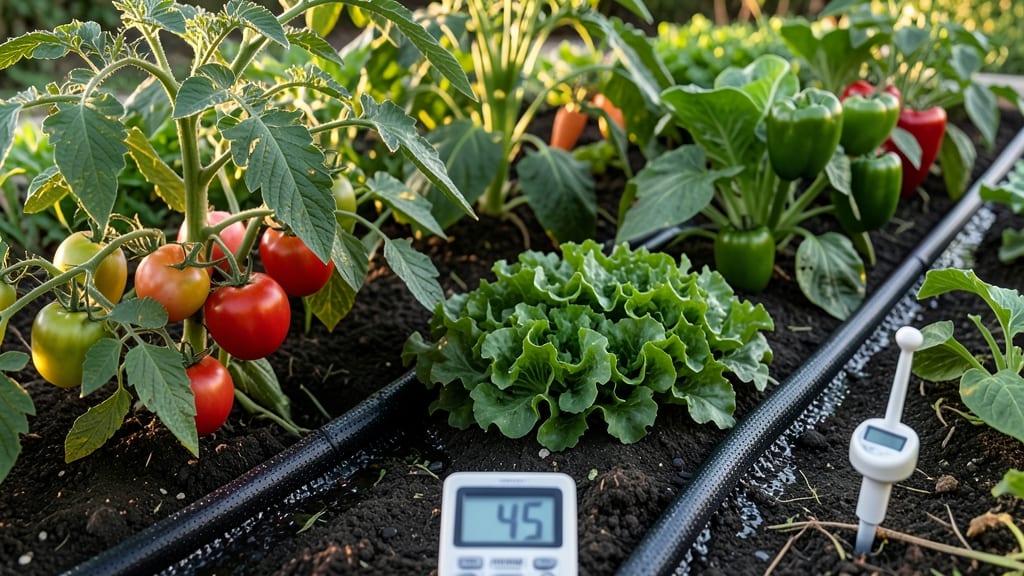
Leaving a soaker hose on your vegetable garden for the right amount of time means the difference between thriving 🥬 plants and wasted water.
Struggling to balance watering your vegetable garden without drowning roots or wasting precious time? Soaker hoses are a game-changer—but timing is everything. Leave them on too long, and you risk root rot; too short, and your plants thirst.
Most gardeners run their soaker hoses for 20-30 minutes per zone, but that’s just a starting point. Soil type, plant needs, and weather conditions all play a role in fine-tuning your watering schedule.
Below, I’ll break down the science behind soaker hose timing, how to adjust for sandy vs. clay soil, and the best times of day to water for maximum efficiency—so you can keep your garden lush without a drop of waste.
Optimal soaker hose run times by plant type and soil conditions
Mastering your soaker hose timing means the difference between thriving vegetables and wasted water. Every plant type has unique hydration needs, and your soil composition plays a huge role in how quickly roots absorb moisture.
For example, sandy soil drains fast, while clay soil holds water like a sponge—both require different run times to avoid over- or under-watering.
Morning watering (between 6-10 AM) is ideal because it allows foliage to dry before evening, reducing fungal diseases like powdery mildew. Evening watering can trap moisture on leaves, creating a breeding ground for pests.
However, in hot climates, a short evening soak can help plants survive overnight heat stress.
Here’s how to tailor your soaker hose schedule based on plant type and soil conditions:
| Plant Type | Soil Type | Run Time (Sandy Soil) | Run Time (Clay Soil) | Best Time of Day | Notes |
|---|---|---|---|---|---|
| Leafy Greens (Lettuce, Spinach, Kale) | Sandy | 15-20 mins | 25-30 mins | Morning (6-9 AM) | Keep soil consistently moist but not soggy |
| Root Vegetables (Carrots, Radishes, Beets) | Sandy | 20-25 mins | 30-40 mins | Morning (6-9 AM) | Avoid overwatering to prevent splitting |
| Tomatoes & Peppers | Sandy | 30-40 mins | 45-60 mins | Morning (6-10 AM) or Evening (4-6 PM) | Deep watering encourages strong roots |
| Herbs (Basil, Parsley, Cilantro) | Sandy | 10-15 mins | 20-25 mins | Morning (6-9 AM) | Avoid waterlogging—herbs prefer drier soil |
| Corn & Squash | Sandy | 40-50 mins | 60-75 mins | Morning (6-10 AM) | Deep roots need longer soak times |
For leafy greens, shorter run times (15-30 minutes) prevent bolting, while deep-rooted crops like tomatoes and corn need 45-75 minutes to saturate their root zones. Always adjust based on weather conditions—hot, windy days may require extra time, while rainy periods call for shorter sessions.
Pro tip: Bury the soaker hose 2-3 inches deep to protect it from UV damage and direct water straight to roots. This also reduces evaporation and ensures efficient water absorption.
Start with the recommended times, then monitor your plants for signs of stress. Yellowing leaves or wilting could mean you’re over- or under-watering. With practice, you’ll develop a routine that keeps your vegetable garden thriving without waste.
💧
Signs your vegetable garden needs more (or less) soaker hose time
Your vegetable garden sends clear signals about its water needs, and ignoring them can mean the difference between thriving plants and wasted effort. Wilting leaves by midday often mean your soaker hose wasn’t on long enough, while yellowing foliage or mushy stems scream "too much water!"
Pay attention to these visual cues—they’re your garden’s way of communicating.
Don’t rely solely on guesswork. Soil moisture tests are your best friend. Stick your finger 1-2 inches deep—if it feels dry, extend your soaker hose time by 10-15 minutes.
For clay-heavy soil, which drains slowly, reduce time by half to avoid waterlogging. Sandy soil, meanwhile, may need longer runs to retain moisture.
🌱
⚠️ Warning: Overwatering vs. Underwatering
Overwatering signs: Yellow leaves, mold on soil, root rot (black, mushy roots). Fix: Let soil dry slightly between waterings; adjust soaker hose to 10-15 minutes max per zone.
Underwatering signs: Crispy leaf edges, stunted growth, wilting even after watering. Fix: Increase soaker hose time by 5-10 minutes; water deeply 2x/week instead of lightly daily.
Certain plants have specific thirst levels. Leafy greens like lettuce and spinach need consistent moisture—keep the soaker hose on for 20-30 minutes if the top inch of soil dries quickly. Root vegetables such as carrots and potatoes, however, prefer drier conditions; reduce time to 10-15 minutes unless the soil is bone-dry.
Watch for mold or fungus on leaves or stems, a red flag for overwatering. If you spot white powdery patches or black spots, immediately cut soaker hose time in half and water in the morning to allow foliage to dry.
For underwatered plants, look for dry, crispy edges on leaves—a sign roots aren’t getting enough hydration.
Adjust your soaker hose schedule based on the weather forecast. On hot, windy days, increase watering by 30% to compensate for evaporation. After heavy rain, skip watering entirely and let the soil drain naturally.
A simple rule: If you see puddles lingering 2+ hours after watering, your garden is getting too much.
Pro tip: Group plants with similar water needs together. Place thirsty tomatoes and peppers near the soaker hose’s strongest output zones, while drought-tolerant herbs like rosemary can go on the periphery. This zoning strategy saves time and ensures no plant is neglected.
💧