
Vegetables
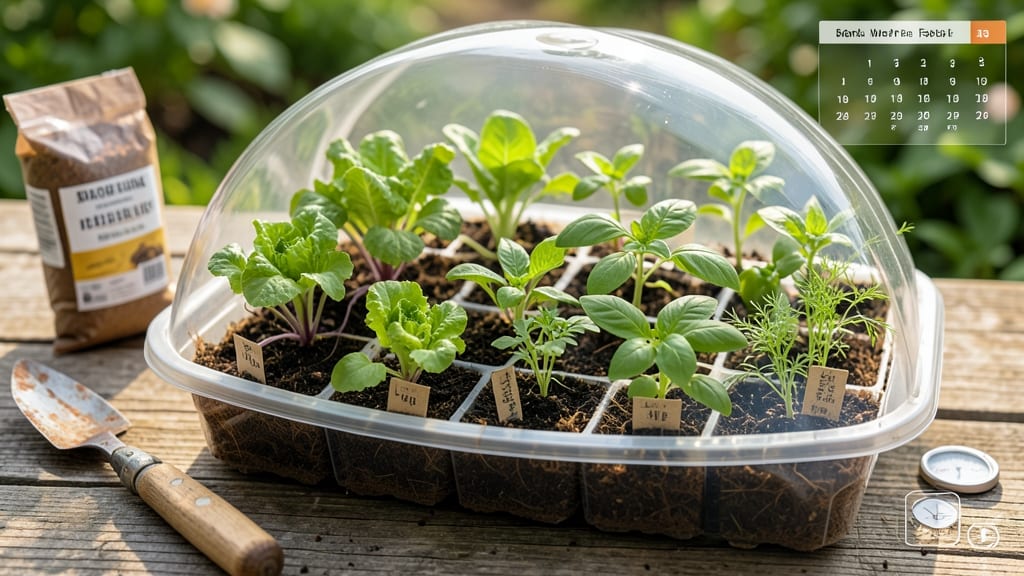
Starting your vegetable garden at the right time ensures strong roots, healthy growth, and a bountiful harvest—so timing your spring planting by your local frost dates is the key to success.
Picture this: you’ve prepped the soil, ordered your seeds, and are ready to plant—only to watch a late frost wipe out your tender seedlings.
It’s a heartbreaking mistake that happens to even the most eager gardeners, but knowing your USDA zone and last frost date can turn that guesswork into a foolproof plan.
Whether you’re growing frost-sensitive crops like tomatoes or hardy greens like spinach, the difference between a thriving garden and a failed one often comes down to when you start. Too early, and you risk frost damage; too late, and you might miss the growing season entirely.
In this guide, I’ll break down the best planting windows for your region, share tips for extending the season with cold frames, and help you avoid common timing mistakes that could ruin your harvest.
USDA Zone planting calendar: exact weeks before last frost for zero-frost risk crops
Getting your tomatoes, peppers, and cucumbers in the ground at the right time means the difference between a bountiful harvest and sad, wilted plants. These frost-sensitive crops need warmth to thrive, so planting too early can shock them while waiting too long risks stunted growth.
Your USDA zone determines the exact timing—here’s a zone-by-zone breakdown of when to plant for zero frost risk.
I’ve planted basil and eggplants in every zone from 3 to 10, and the key is knowing how many weeks before your average last frost date to start.
For example, in Zone 3, you’ll need to wait until soil warms, while Zone 10 gardeners can plant year-round with minimal frost risk. Let’s dive into the exact weeks for each zone to ensure your warm-season crops get the perfect start.
| USDA Zone | Avg. Last Frost Date | Weeks Before Planting | Best Planting Window | Example Crops |
|---|---|---|---|---|
| Zone 3 | Mid-May | 4-6 weeks before | Late May - Early June | Tomatoes, Peppers, Basil |
| Zone 4 | Late May | 3-5 weeks before | Early to Mid-June | Cucumbers, Eggplant, Okra |
| Zone 5 | Early May | 2-4 weeks before | Mid-May to Early June | Peppers, Basil, Squash |
| Zone 6 | Mid-April | 2 weeks before | Late April - Early May | Tomatoes, Cucumbers, Melons |
| Zone 7 | Early April | 1-2 weeks before | Mid to Late March | Peppers, Basil, Eggplant |
| Zone 8 | Mid-March | 0-1 week before | Early to Mid-March | Cucumbers, Tomatoes, Okra |
| Zone 9 | Early February | 0 weeks (plant anytime) | Year-round (avoid frost) | Basil, Peppers, Eggplant |
| Zone 10 | None (tropical) | Year-round | Anytime (succession plant) | Tomatoes, Cucumbers, Basil |
In Zone 3, where frosts linger late, I always wait until soil temperatures hit at least 55°F (13°C) before planting tomatoes or peppers. This usually aligns with late May or early June, giving these heat-lovers enough time to mature before the first fall frost.
A soil thermometer is your best friend here—don’t guess!
By Zone 6, the window opens wider, and you can start cucumbers and squash as early as late April if you’re using row covers for extra warmth. I’ve found that succession planting every 2 weeks after the initial date keeps the harvests coming all summer.
For example, planting basil in mid-May and again in June ensures fresh leaves until frost.
In warmer zones like Zone 8 and beyond, the rules relax significantly. Here, you can plant eggplants and peppers as early as February, and even Zone 9 gardeners can treat their gardens like a year-round paradise.
The trick? Avoid planting too close to fall frosts, which can still sneak in by December in Zone 9 or January in Zone 10.
Pro tip: If you’re
How to adjust planting dates for early, mid, and late season success
Even with perfect USDA zone timing, unexpected early frosts or late warm spells can throw off your garden. The key is flexibility—using season-extending tools and succession planting to maximize harvests. I’ve learned that adjusting planting dates isn’t just about dates; it’s about creating microclimates and planning strategically.
For example, cold frames can push spring planting 2-3 weeks earlier, while row covers protect tender crops like spinach or kale through light frosts. Meanwhile, late-season crops such as radishes or turnips thrive when planted in late summer for fall harvests.
The secret? Matching plant maturity with your climate’s frost-free window.
- 1. Early Season: Use cold frames to plant broccoli or cabbage 4-6 weeks before last frost. Soil warms faster under glass.
- 2. Mid Season: Plant heat-loving crops like tomatoes or peppers 2 weeks after last frost for optimal growth.
- 3. Late Season: Sow fast-growing greens (e.g., lettuce, radishes) 6-8 weeks before first frost for fall harvests.
- 4. Succession Plant: Stagger carrot or bean plantings every 2 weeks for continuous yields.
- 5. Extend with Covers: Use floating row covers to protect cucumbers or squash through light frosts (down to 28°F).
Don’t overlook soil temperature—cool-season crops like peas or spinach need soil at 40-50°F, while warm-season crops (e.g., beans, corn) require 60°F+.
A soil thermometer is your best friend here. I once planted tomato seedlings too early because the soil was cold, and they languished for weeks.
For container gardening, adjust timing by 1-2 weeks earlier than in-ground plants—containers heat up faster. Place pots in south-facing spots and use black plastic mulch to warm soil quicker. If you’re in Zone 5 or colder, consider a mini greenhouse for early starts.
Pro tip: Keep a gardening journal to track when you adjust dates. Note which methods work best in your microclimate. For instance, my kale thrives when planted in early August for a sweet fall harvest—something I only discovered after years of trial and error.
Small tweaks can mean the difference between bolted greens and perfectly tender leaves.
Remember, late frosts are the real villain. If your area has a history of April frosts, delay planting tender crops until after May 15th (or use row covers).
The same goes for early fall frosts—plant cool-season crops early enough to mature before October 1st in most northern zones. With these adjustments, you’ll turn challenging seasons into abundant harvests. 🌱