
Pruning
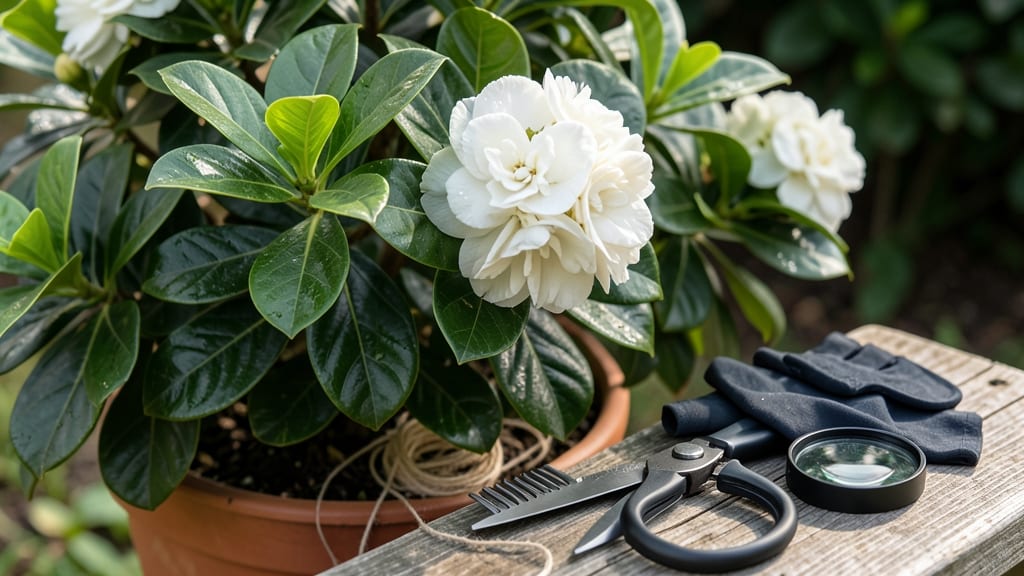
Pruning gardenias in Georgia at the right time—late winter through early spring—sets the stage for fragrant blooms and avoids fungal trouble.
Georgia’s humid climate makes gardenias thrive—but timing their prune wrong can stunt blooms or invite pests. Discover the exact late-winter window to prune for lush, fragrant flowers all season long.
In USDA zones 7b-8b, wait until after the last frost (usually mid-March) to prune, but don’t delay too long—March 15 is your cutoff. Prune too early, and cold damage weakens the plant; too late, and you risk cutting off next year’s buds.
Below, I’ll walk you through the step-by-step method to shape your gardenia, spot signs it needs pruning, and keep your shrub healthy and blooming through Georgia’s heat.
Best late winter pruning window for Georgia gardenias (with frost-free deadline)
Georgia gardenias (🌸) need precise timing for pruning—cut too early, and you risk cold damage or stunted growth. The sweet spot? A 4-week window from mid-February to mid-March, just after the last frost. This aligns with Georgia’s USDA zones 7b-8b, where temperatures stabilize enough for new growth.
Your exact pruning date depends on your microclimate. Coastal areas like Savannah typically warm up 1-2 weeks earlier than Piedmont regions like Athens. Always check your local frost-free date—pruning before March 15 risks exposing fresh cuts to unexpected chills.
Here’s why timing matters: Gardenias bloom on new wood, so pruning too late delays flowers. But pruning too soon stresses the plant, inviting fungal infections or pest infestations common in Georgia’s humidity. The late-winter window balances these risks perfectly.
| Region | Ideal Prune Window | Key Consideration |
|---|---|---|
| Coastal Georgia (Savannah, Brunswick) | February 15–March 1 | Warmer microclimate; prune earlier to avoid spring rains |
| Piedmont (Athens, Macon) | March 1–March 15 | Later frost risk; wait for consistent 50°F nights |
| North Georgia (Dalton, Blue Ridge) | March 15–April 1 | Cooler zones; delay until soil warms to 60°F |
| All Regions | Avoid pruning if frost is forecasted | Fresh cuts need time to heal before cold snaps |
Use your gardenia’s growth stage as a guide. Mature bushes (3+ years old) can handle light pruning in late February, while younger plants need to wait until March 1 to avoid shock. Look for dormant buds along stems—they signal readiness for pruning.
Georgia’s humidity demands extra caution. Prune on a dry, overcast day to prevent fungal spores from landing on fresh cuts. Sterilize your shears with rubbing alcohol to avoid spreading anthracnose, a common gardenia disease in wet springs.
If you miss the window, don’t panic. A light pruning in early April still works, though you’ll sacrifice some spring blooms. The key is to never prune after May 15, as this encourages late-season growth vulnerable to fall frosts.
Pro tip: Mark your calendar for March 1 as the absolute deadline. By then, gardenias should be pushing new growth. If you see tender leaves unfurling, it’s time to prune—just avoid cutting into next year’s flower buds, which form in late summer.
After pruning, give your gardenias a light fertilizer (8-4-8 NPK) to support recovery. Mulch with pine bark to retain moisture and acidify the soil—gardenias thrive in pH 5.0-6.0, mimicking their native Florida swamps.
Remember: The goal is to shape the bush, not strip it. Aim for an open center to improve airflow and reduce humidity-related stress. With the right timing, your gardenias will reward you with double the blooms by summer!
Step-by-step pruning guide: how to revive gardenias without sacrificing blooms
Pruning gardenias in Georgia isn’t just about shaping your shrub—it’s about revitalizing growth while preserving those fragrant blooms you love. When done right, pruning removes dead wood, improves air circulation, and encourages healthier foliage for next season.
But one wrong cut can stress your plant, especially in Georgia’s humid heat, so follow this step-by-step guide to get it perfect.
Before you begin, gather your tools: sharp pruning shears, sterilized loppers for thicker branches, gloves (gardenias have thorns!), and a bucket of rubbing alcohol to disinfect tools between cuts.
This prevents fungal spread—a common issue in Georgia’s damp climate. Work on a dry, sunny morning when humidity is low, and your gardenia is fully awake from dormancy.
🌿 Step-by-Step Pruning Process
- Step 1: Remove dead or diseased wood first. Look for branches that are brown, brittle, or hollow—these won’t recover. Cut these back to healthy green tissue using clean shears.
- Step 2: Thin out crowded branches to improve airflow. Aim to reduce density by 20-30%, focusing on crossing or rubbing branches that compete for sunlight.
- Step 3: Shape the shrub by trimming overly long stems to encourage bushier growth. Cut just above a leaf node or bud at a 45-degree angle to prevent water pooling.
- Step 4: Prune back last year’s blooms to half their size. This stimulates new flower buds for next season. Avoid cutting into old wood—focus on current season’s growth.
- Step 5: Clean up debris and sterilize tools again with rubbing alcohol. Dispose of pruned branches in the trash (not compost) to avoid spreading disease.
One of the biggest mistakes gardeners make is pruning too aggressively, which can shock your gardenia and delay blooming. Never remove more than 30% of the plant’s foliage in one session.
Also, avoid cutting into old wood—this won’t regrow, and you’ll sacrifice next year’s flowers. If your gardenia is overgrown but healthy, spread pruning over two years to minimize stress.
After pruning, your gardenia will need extra care to recover. Water deeply (1-2 gallons per plant) to help it establish new roots, and apply a layer of mulch around the base to retain moisture and regulate soil temperature.
In Georgia’s heat, morning watering is key—it reduces fungal risks like powdery mildew, which thrives in humid conditions. Avoid fertilizing for 4-6 weeks post-prune to let the plant focus on healing.
Watch your gardenia closely in the weeks after pruning. New growth should appear within 2-3 weeks if conditions are right. If you notice yellowing leaves or dropping buds, it may be stressed—adjust watering or provide light shade during peak afternoon sun.
With proper care, your pruned gardenia will reward you with even more abundant blooms next season.
Pro tip: Mark your calendar for next year’s prune—aim for late February to early March in Georgia’s USDA zones 7b-8b. This timing ensures your gardenia is fully dormant but just waking up, making it the perfect window for minimal stress and maximum revival.