
Blooming
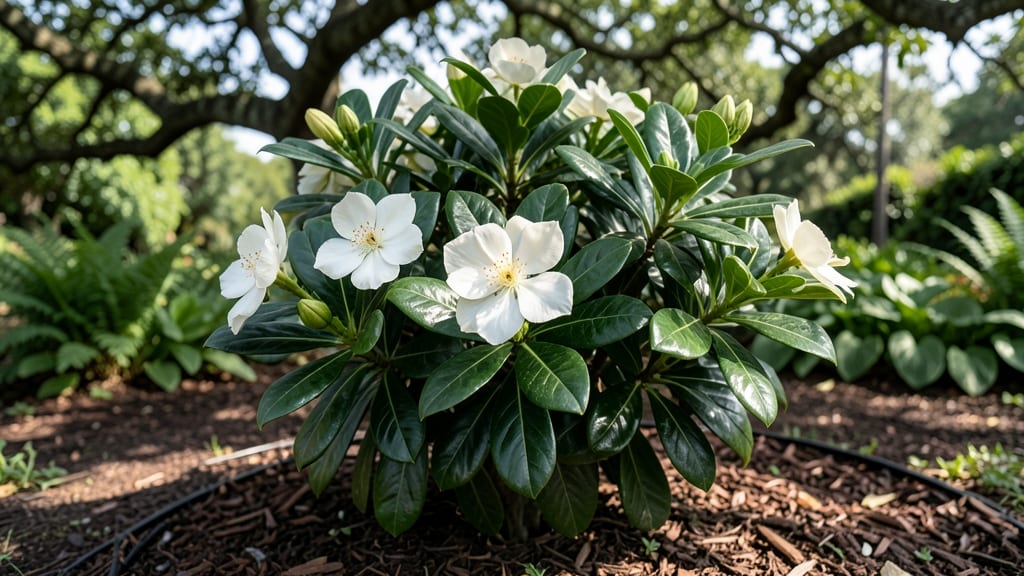
Gardenia blooms in Texas depend on your region—North Texas gardeners wait until April, while South Texas sees them as early as February.
If you’re dreaming of fragrant gardenias but live in Texas, timing is everything—these delicate blooms thrive in specific climates, and their bloom periods vary dramatically from the Panhandle to the Rio Grande Valley.
In USDA zones 8a-10b, your gardenia’s schedule hinges on temperature and sunlight. North Texas’s cooler springs delay blooms, while South Texas’s mild winters kickstart them sooner.
Below, I break down the exact months by region, plus pruning tips to extend those 🌸 blooms and avoid common mistakes like overwatering or poor soil pH.
Gardenia bloom seasons in Texas: North vs. south region breakdown
Texas gardeners know that gardenia blooms don’t follow a one-size-fits-all schedule—your location plays a huge role.
In North Texas, where winters linger longer, gardenias typically burst into bloom between April and June, while South Texas gardeners enjoy fragrant blooms as early as February, often stretching into May. The difference comes down to temperature zones, frost risks, and heat tolerance.
If you live in USDA Zones 8a-9a (North Texas), expect your gardenias to wait until spring warms up. But in Zones 9b-10b (South Texas), milder winters mean earlier blooms. The key is understanding your last frost date—gardenias hate cold snaps, so timing matters.
Let’s break it down by region so you can plan your garden for maximum fragrance.
🌸 Comparison Table: Gardenia Bloom Seasons in Texas
| Region | USDA Zone | Bloom Window | Key Climate Factor | Frost Risk |
|---|---|---|---|---|
| North Texas | 8a-9a | April–June | Cooler springs, slower warming | High (late frosts common) |
| Central Texas | 8b-9b | March–May | Moderate winters, variable timing | Moderate (occasional late frosts) |
| South Texas | 9b-10b | February–May | Mild winters, early warmth | Low (rare frosts) |
| East Texas | 8a-9a | April–June | Humid climate, slower drying | Moderate (late frosts possible) |
| West Texas | 7b-9a | May–July | Dry heat, delayed blooms | Low (but extreme heat stress) |
In North Texas, gardenias often wait until after the last frost date (usually around March 15) to start budding. The cooler springs delay blooming until April or May, but once they start, you’ll get 4-6 weeks of fragrance.
If you’re in Amarillo or Lubbock, expect blooms to push even later, sometimes into June, due to harsher winters.
South Texas gardeners have the advantage of earlier blooms. In Houston, Corpus Christi, or Brownsville, gardenias often begin flowering in February, thanks to milder winters. The Rio Grande Valley can even see blooms as early as January in sheltered microclimates.
However, heat stress after May can cause blooms to fade faster, so timing your planting matters.
One common misconception is that gardenias bloom year-round in Texas.
While South Texas may see two bloom cycles (spring and fall), most regions only get one peak season. Pruning after blooms helps encourage next year’s flowers, but don’t prune too late—wait until late summer or early fall to avoid cutting off next season’s buds.
If you’re in a transition zone like Austin or San Antonio, your gardenias might bloom anywhere from March to June, depending on winter severity.
To maximize blooms, mulch heavily in winter to protect roots from temperature swings, and water deeply in summer to combat Texas heat stress. A drip irrigation system works best for consistent moisture.
For container gardenias in North Texas, bring pots indoors or to a garage or shed if frost is forecasted. Even a single night below 32°F can kill unprotected plants. In South Texas, frost cloth is rarely needed, but a lightweight cover can help if a rare cold snap hits.
Pro tip: Deadhead spent blooms to redirect energy into new buds. This works especially well in South Texas, where gardenias can produce continuous blooms if given the right care.
Pair your gardenias with shade-loving perennials like impatiens or ferns to create a lush, fragrant understory that thrives in Texas’ partial shade.
Now that you know the exact bloom windows for your region, you can plan your garden for maximum fragrance. Whether you’re in Dallas, El Paso, or Galveston, timing is everything—so mark those calendars and get ready for a garden filled with creamy white, intoxicating blooms! 🌿
How to extend gardenia blooming in Texas: pruning, soil, and watering tips
If you’ve ever admired gardenias blooming in Texas landscapes, you know their fragrant white flowers are a standout feature—but their bloom season can feel disappointingly short. The key to longer blooming periods lies in three critical areas: pruning timing, soil acidity, and watering consistency.
Texas’s hot summers and variable frost dates add extra challenges, but with the right approach, you can coax your gardenias to bloom for weeks longer than average.
Gardenias naturally bloom in late spring to early summer, but in Texas, this window can shrink due to heat stress or sudden cold snaps. The solution? Start with proper pruning in early spring to remove dead wood and encourage new growth.
Combine this with acidic, well-draining soil (pH 4.5–6.0) and a consistent watering schedule to keep your plants thriving. Let’s break down the exact steps to maximize those show-stopping blooms.
- 🌱 Prune in early spring (Feb–March) to remove dead or crossing branches—this stimulates new growth and more buds.
- 💧 Water deeply 2–3 times per week in summer, focusing on the root zone to prevent stress from Texas heat.
- 🌡️ Test soil pH annually—gardenias need acidic soil (4.5–6.0). Use sulfur or peat moss to adjust if needed.
- ✂️ Avoid heavy pruning after June—this can reduce next year’s blooms by cutting off potential flower buds.
- 🌿 Mulch with pine bark to retain moisture and acidity, while also protecting roots from temperature swings.
- 🌡️ Protect from late frosts (common in North Texas) with frost cloth or move potted plants indoors until after April 15.
One of the biggest mistakes gardeners make is pruning at the wrong time. If you trim gardenias after they’ve bloomed, you risk cutting off next year’s flower buds. Instead, prune lightly in early spring (February–March) to shape the plant and remove any dead or diseased branches.
This encourages new growth that will produce more blooms later in the season. Think of it as giving your gardenia a fresh start—just like you’d do with your own spring cleaning!
Texas’s alkaline soil is another common obstacle. Gardenias thrive in acidic conditions, so if your soil pH is above 6.0, your plants may struggle to absorb nutrients, leading to fewer or smaller blooms.
Test your soil with a home pH kit and amend it with sulfur or pine fines to lower the pH. A thick layer of mulch (like pine bark) also helps maintain acidity over time. Don’t skip this step—acidic soil is non-negotiable for happy gardenias!
Watering is where many Texas gardeners trip up. Gardenias need consistent moisture, but they hate soggy soil. In the scorching Texas summer, water deeply 2–3 times per week, focusing on the root zone rather than light surface watering.
Early morning is the best time to water—this reduces evaporation and prevents fungal diseases like powdery mildew. If your gardenia’s leaves start yellowing or dropping, it’s often a sign of underwatering or overwatering. Find that sweet spot!
Finally, don’t forget to protect your gardenias from late frosts, especially if you’re in North or Central Texas. A sudden cold snap in March or April can kill new growth and buds, cutting your bloom season short.
If frost is forecasted, cover your plants with frost cloth or move potted gardenias indoors until temperatures stabilize. This small effort can add weeks to your blooming season—worth it for those intoxicating fragrances!
With these pruning, soil, and watering tips, your gardenias will reward you with longer, more abundant blooms all season long. The secret? Pay attention to the details—acidity, timing, and consistency are everything. Happy gardening, and may your gardenia bushes be bursting with blooms by summer! 🌸🌿