
Fertilization
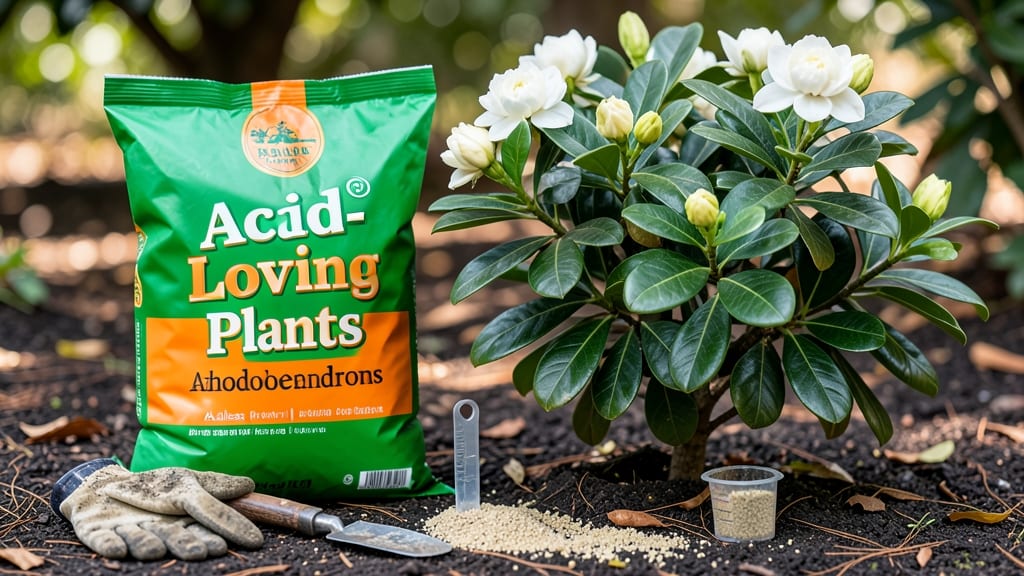
Fertilizing gardenias in Georgia at the right time—late March to early April and again in September—sets the stage for year-round blooms and lush growth.
Picture this: your 🌸 gardenia sits dormant all winter, then bursts into fragrant life as Georgia’s spring warmth arrives. But skip the fertilizer timing, and you risk scorching roots in summer heat or stunting growth before winter dormancy.
The key? Two strategic feedings—one to kickstart spring growth, the other to prep for fall’s cooler months.
Georgia’s humid subtropical climate means your gardenia thrives on acid-loving nutrients, but too much fertilizer too late can backfire. I’ll show you how to read your plant’s signals (yellowing leaves? sparse blooms?) and match them to the perfect feeding schedule for your zone.
By the end, you’ll know exactly when to feed, what to use (organic or synthetic), and how to avoid the costly mistakes that turn vibrant blooms into sad, struggling shrubs.

Optimal fertilization timeline for Georgia gardenias: spring vs. fall schedule
Georgia’s humid subtropical climate (USDA zones 7a-8b) demands a precise fertilization schedule for gardenias to thrive. Unlike cooler climates, our long, hot summers and mild winters create distinct windows for feeding—spring awakening and fall hardening-off.
Skipping these timelines risks nutrient burn or stunted blooms, so let’s break down the science behind Georgia’s two critical fertilization periods.
Most gardeners make the mistake of fertilizing in summer’s peak heat, which stresses plants and washes away nutrients in heavy rains. Instead, we’ll focus on March-April for spring growth and September-October for fall root strengthening.
These months align with Georgia’s natural rainfall patterns and temperature shifts, ensuring your gardenias get nutrients when they’ll use them most efficiently.
The key to success lies in soil preparation before fertilizing. Gardenias thrive in acidic soil (pH 5.0-6.5), so test your soil’s pH 2-3 weeks before your first feeding. If it’s too alkaline, amend with sulfur or pine bark fines—both readily available in Georgia nurseries.
For established plants, a 2-inch layer of compost worked into the topsoil provides organic matter that improves nutrient retention.
| Season | Best Months | Fertilizer Type | NPK Ratio | Application Rate | Key Goal |
|---|---|---|---|---|---|
| Spring | March-April | Slow-release granules or liquid organic (fish emulsion) | 6-6-6 or 8-3-9 | 1 tbsp/plant (light feed) | Stimulate new growth |
| Summer | June-July (avoid May & August) | Balanced granular (avoid high nitrogen) | 10-10-10 (diluted) | ½ tbsp/plant every 6 weeks | Support blooming (not growth) |
| Fall | September-October | Organic compost or bone meal | 3-4-6 (low nitrogen) | 2 tbsp/plant (heavy feed) | Strengthen roots for winter |
| Winter | November-February | None (dormant period) | N/A | N/A | Allow natural rest |
Spring fertilization in March-April kickstarts your gardenia’s growth after winter dormancy. Choose a balanced fertilizer (6-6-6) to encourage both foliage and flower buds. For organic gardeners, fish emulsion or compost tea provides nitrogen without risking salt buildup.
Apply fertilizer when soil temperatures reach 60°F+—this ensures roots are active enough to absorb nutrients. Water thoroughly before and after application to prevent burn.
Georgia’s summer heat (June-August) demands caution—never fertilize when temperatures exceed 90°F. Instead, opt for light, frequent watering and mulching to retain moisture. If you must feed during summer, use a diluted liquid fertilizer (10-10-10) in early morning to avoid leaf scorch.
Skip fertilizing entirely in May and August, when gardenias are most vulnerable to stress.
Fall fertilization in September-October is your plant’s second chance to store nutrients for winter. Switch to a low-nitrogen, high-phosphorus formula (3-4-6) like bone meal to promote root development. This timing aligns with Georgia’s cooler temperatures and increased rainfall, reducing the risk of nutrient runoff.
Work compost or aged manure into the soil to improve texture and microbial activity.
Avoid the common mistake of over-fertilizing in spring, which can lead to excessive leafy growth at the expense of blooms. Gardenias prioritize flowers over foliage, so use half the recommended dose if you notice new shoots appearing too quickly.
Similarly, skip fall fertilization if your plant shows signs of stress (yellowing leaves, wilting)—this indicates it’s not ready for additional nutrients.
For potted gardenias, adjust your schedule by 2-3 weeks earlier—containers heat up faster and dry out quicker. Monitor soil moisture daily in summer and reduce fertilizer by 50% compared to in-ground plants.
Always use well-draining pots with acidic potting mix (pH 5.5-6.0) to prevent root rot, a common issue in Georgia’s humidity.
Pro tip: Mark your gardenia’s fertilization dates on a calendar to avoid missing windows. In Georgia, September 15th is an ideal cutoff for fall feeding—after this, your plant enters dormancy. Pair fertilization with <
Signs your Georgia gardenia needs fertilizer (and when to skip it)
Your Georgia gardenia might be silently screaming for nutrients—or begging you to stop feeding it. Yellowing leaves, sparse blooms, or slow growth are classic signs your plant needs a nutrient boost.
But here’s the catch: over-fertilizing can cause leaf burn or stunted growth, especially in Georgia’s humid summers. Learning to read your gardenia’s signals ensures it thrives without stress.
First, check the leaf color. Healthy gardenia leaves are deep green. If you see yellowing between veins, it’s often a sign of nitrogen deficiency. For established plants, this usually means it’s time for a light feeding.
But if the yellowing appears on new growth, it could signal overwatering or poor drainage—not fertilizer needs.
Next, examine the blooms. A gardenia should produce fragrant, abundant flowers from spring through fall. If you’re seeing fewer blooms or buds dropping off, phosphorus and potassium deficiencies might be the culprit.
However, if your plant is covered in buds but never opens them, it could be stressed from too much fertilizer.
When to Fertilize Your Georgia Gardenia
✅ Fertilize When...
- Leaves yellow between veins
- Blooms are sparse or buds drop
- New growth is slow or stunted
- Soil tests low in nitrogen/phosphorus
- Plant is established (2+ years old)
❌ Skip Fertilizing When...
- Leaves show burn (brown edges)
- Plant is newly planted (<1 year old)
- Soil is already rich (recently amended)
- Fall/Winter months (dormant season)
- Plant has soft, mushy stems (root rot risk)
Pro Tip: Georgia’s rainy season (spring/fall) can dilute soil nutrients. Adjust feeding if you’ve had consistent heavy rains—wait until the ground dries slightly before fertilizing.
For new gardenias (under 1 year old), hold off on fertilizing entirely. These plants are still establishing roots and don’t need extra nutrients. Instead, focus on watering deeply and ensuring well-draining soil. Over-fertilizing young plants can burn delicate roots and set them back.
Georgia’s summer heat and humidity can also trick gardeners into over-fertilizing. If your gardenia shows brown leaf edges or crispy foliage, it’s a clear sign of fertilizer burn.
Immediately flush the soil with water and reduce feeding. In these cases, organic amendments like compost tea are gentler than synthetic fertilizers.
Finally, consider your gardenia’s maturity. Established plants (3+ years old) can handle a balanced fertilizer (8-3-9 NPK) every 6-8 weeks during the growing season (March-October). But mature plants in winter should get zero fertilizer—they’re dormant and don’t need nutrients.
Listen to your plant, and you’ll keep those sweet-scented blooms coming year after year.