
Plants
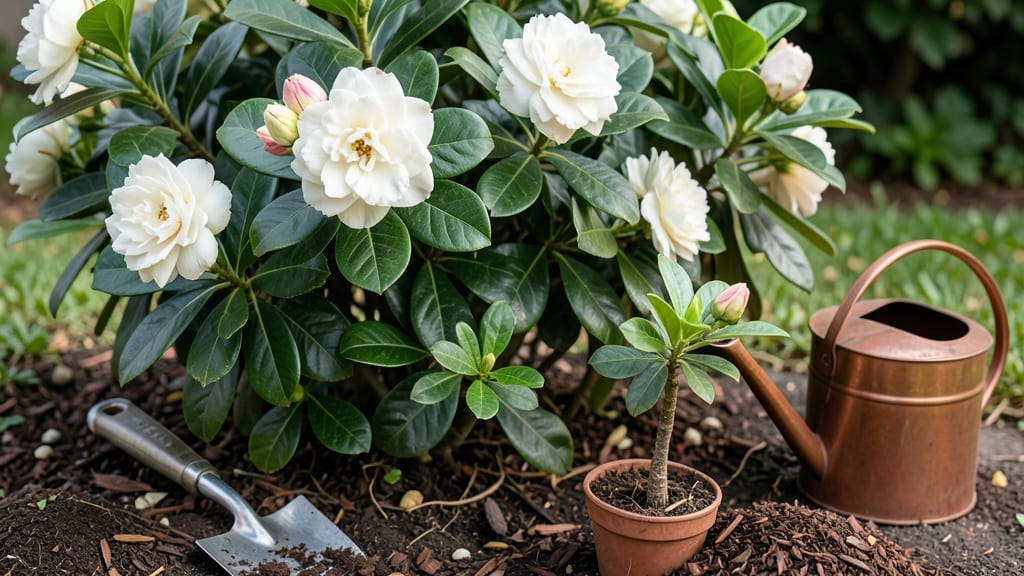
Planting gardenias in North Carolina after the last frost date—typically March to May—sets the stage for fragrant blooms all season long 🌸.
You’ve probably heard that gardenias love heat, but timing matters just as much as the climate. Plant too early in the cooler Piedmont or mountain regions, and frost can still creep in, stunting growth or worse.
Get it right, though, and you’ll see those glossy leaves and intoxicating flowers by summer.
North Carolina’s varied zones—from 6b in the mountains to 8a along the coast60°F or warmer to avoid transplant shock.
In this guide, I’ll break down the exact frost-free windows by county, share soil prep secrets for acidic-loving gardenias, and reveal why fall planting in southern NC can actually work better than spring. Plus, we’ll cover container planting tips for small spaces or renters.
North Carolina gardenia planting timeline by frost-free zones
North Carolina’s diverse climate means gardenia planting times vary dramatically from the coastal plains to the mountain regions. Gardenias thrive in USDA Zones 7-8, but timing your planting to align with your county’s last frost date ensures strong root establishment and vibrant blooms.
Plant too early, and frost can damage tender roots; too late, and your gardenia may struggle to establish before winter. Let’s break down the ideal planting windows by region.
Most North Carolina gardeners plant gardenias in spring (March-May), but fall planting (September-October) works well in southern NC counties like Dare, Carteret, and Brunswick, where winters are milder. In Zone 7 (mountains and Piedmont), stick to spring planting to avoid early frost risks.
Always check your county’s historical frost-free dates—they can shift yearly due to climate patterns.
Here’s a county-by-county breakdown of your ideal gardenia planting windows based on average last frost dates and local microclimates. Use this as a guide, but always monitor your soil temperature (60°F+) and local weather forecasts before planting.
| Region | USDA Zone | Last Frost Date | Best Planting Window | Notes |
|---|---|---|---|---|
| Coastal Plains (e.g., Brunswick, New Hanover, Dare) | 8a-8b | March 15 | March 15 - April 30 | Fall planting (Sept-Oct) works; humid climate needs well-draining soil. |
| Piedmont (e.g., Mecklenburg, Wake, Guilford) | 7b-8a | April 15 | April 15 - May 15 | Avoid planting before soil warms to 60°F; mulch heavily in winter. |
| Mountains (e.g., Haywood, Henderson, Mitchell) | 6b-7a | April 30 | May 1 - June 1 | Plant after last frost; protect with frost cloth if late frosts occur. |
| Sandhills (e.g., Richmond, Scotland) | 7a-7b | April 1 | April 1 - May 10 | Well-draining sandy soil; amend with compost for moisture retention. |
For container-grown gardenias, you can plant slightly earlier in spring (late February) or later in fall (November) in Zone 8, as pots offer some frost protection. However, always harden off plants before moving them outdoors to prevent shock.
If you’re in a transition zone (e.g., Alamance or Chatham counties), err on the side of caution and plant after May 1 to avoid late frosts.
Soil temperature is just as critical as air temperature. Use a soil thermometer to confirm the ground has warmed to at least 60°F (15°C)—gardenias won’t thrive in cooler soil.
In cooler microclimates (like north-facing slopes), delay planting by 1-2 weeks to give roots time to establish before summer heat arrives. Mulching with 3-4 inches of pine bark helps regulate soil temperature and retains moisture.
If you’re planting in fall (September-October), focus on southern NC counties where first frosts average November 15. Gardenias planted in fall have time to establish roots before winter, often leading to earlier spring blooms.
However, avoid fall planting in Zone 7—the risk of early frost outweighs the benefits. In these areas, stick to spring planting and prioritize root development over early blooms.
Pro tip: Acid-loving gardenias need well-amended soil (pH 5.0-6.0). Before planting, mix composted pine needles or sulfur into the soil to create the ideal acidic environment. In alkaline soils (common in Piedmont), consider planting in raised beds or large containers where you can control the soil mix.
This small adjustment can mean the difference between lush blooms and stunted growth.
Finally, monitor your gardenia’s progress after planting. If new growth appears yellow or wilted, it may be struggling with transplant shock or poor drainage. Adjust your watering schedule to <
Signs your North Carolina region is ready for gardenias
North Carolina’s climate varies dramatically from the coastal plains to the mountain regions, making it tricky to rely solely on calendar dates for planting. Instead, focus on soil warmth, nighttime temperatures, and local weather patterns to ensure your gardenias thrive.
These indicators help you avoid early frost risks in cooler zones while preventing heat stress in southern areas.
Gardenias prefer warm soil temperatures of at least 60°F (15°C)—a critical factor for root establishment. Use a soil thermometer to check depth, as surface temps can be misleading.
In USDA Zone 7b (Piedmont), this typically aligns with mid-April, while Zone 8a (coastal) may see ready soil by early March. Nighttime temps should consistently stay above 50°F (10°C) to prevent shock.
🌱 Numbered Highlights: Ready-to-Plant Indicators
- 1. Soil Temperature: 60°F+ (15°C) at 4-6" depth (use a thermometer for accuracy).
- 2. Nighttime Temps: Above 50°F (10°C) consistently for 5+ nights (check local weather forecasts).
- 3. Local Frost Risk: 0% chance of frost in next 2 weeks (verify via NC State Climate Office).
- 4. Humidity Levels: 40-60% (gardenias hate soggy roots but need moisture—ideal humidity prevents stress).
- 5. Leaf Drop: No recent leaf drop in native plants (sign of lingering cold).
- 6. Rainfall Forecast: Minimal rain for 3-5 days post-planting (reduces transplant shock).
Pay attention to local weather patterns like humidity and rainfall. Gardenias despise waterlogged soil but also struggle in dry, windy conditions. If your area has had consistent rain for a week, wait 3-5 days before planting to let the soil dry slightly.
Conversely, if your region is forecasted for drought-like conditions, prioritize planting in shaded, mulched areas to retain moisture.
For container gardenias, timing is slightly more flexible since you can move pots indoors if temps dip. However, even potted plants need stable warmth—avoid planting until nighttime lows reliably stay above 55°F (13°C).
Coastal NC gardeners can often plant as early as late February, while mountain regions should wait until mid-May or later.
Finally, observe native plant behavior. If azaleas, camellias, or other acid-loving shrubs in your area are already blooming, your gardenias are likely ready. These plants share similar temperature preferences and act as natural indicators. Combine these signs with your local extension service’s frost data for foolproof timing.
When all these conditions align, your gardenias will establish roots quickly and reward you with fragrant blooms all summer long. Happy planting! 🌸