
Planting
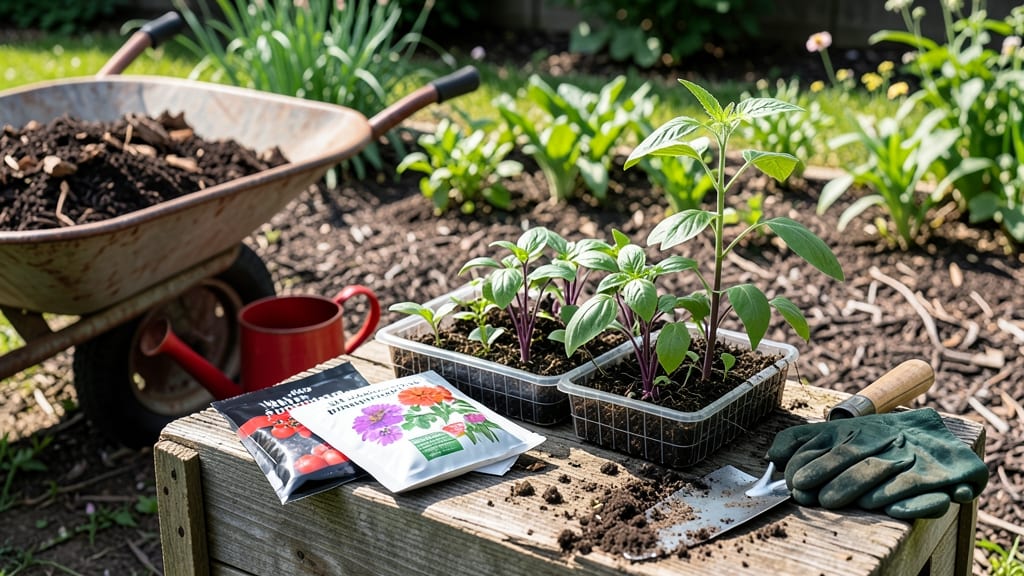
Planting your garden in West Virginia at the right time means the difference between a bountiful harvest and a season of disappointment.
West Virginia’s unique climate—from mountain valleys to river plains—means planting your garden at the wrong time can leave you with stunted plants or wasted seeds. Get the timing right, and you’ll enjoy a thriving harvest all season long.
Whether you’re growing tomatoes in the Ohio River Valley or herbs in the Allegheny Mountains, knowing when to start seeds indoors and when to transplant outdoors is key. The last frost dates vary by zone, and missing them can set your garden back weeks.
In this guide, you’ll find the exact planting schedule for WV’s USDA Zones 5b-7a, plus tips for extending your growing season with cold frames and row covers. Let’s get your garden off to the fastest start possible!
West Virginia planting zones: when to start seeds indoors vs. direct-sowing outdoors
West Virginia spans USDA Hardiness Zones 5b through 7a, meaning your planting schedule should adjust based on whether you're in the cooler mountain regions (like Zone 5b) or warmer river valleys (like Zone 7a).
These zones dictate when to start seeds indoors and when you can safely plant directly outdoors after the last frost. Getting this timing right means the difference between a bountiful harvest and wasted seeds.
For most of West Virginia, the last frost date typically falls between mid-April and early May, but mountain areas can experience frost as late as May 15th. Conversely, the first frost in fall arrives between mid-October and early November, depending on elevation.
Knowing these dates helps you plan when to start seeds indoors for cool-season crops like lettuce or when to direct-sow heat-lovers like tomatoes.
Below is a zone-by-zone breakdown of when to start seeds indoors and when to plant outdoors, tailored for West Virginia's unique climate. This ensures your seedlings are ready at the perfect time and avoids the risk of late spring frosts damaging tender plants.
| USDA Zone | Last Frost Date | Start Seeds Indoors (Cool Crops) | Start Seeds Indoors (Warm Crops) | Direct-Sow Outdoors | Transplant Outdoors |
|---|---|---|---|---|---|
| 5b (Mountain Regions) | May 10-15 | Early March (6-8 weeks before last frost) | Late March (4-6 weeks before last frost) | After May 15 (peas, spinach, lettuce) | After May 20 (tomatoes, peppers, basil) |
| 6a (Central WV) | April 25-May 5 | Late February (6-8 weeks before last frost) | Early April (4-6 weeks before last frost) | After April 25 (radishes, carrots, kale) | After May 10 (cucumbers, beans, marigolds) |
| 6b (Northern Panhandle) | April 15-20 | Mid-February (7 weeks before last frost) | Early March (5-6 weeks before last frost) | After April 15 (onions, potatoes, peas) | After May 1 (tomatoes, peppers, eggplant) |
| 7a (Southern WV) | April 1-10 | Early February (8 weeks before last frost) | Late February (6 weeks before last frost) | After March 25 (spinach, lettuce, radishes) | After April 15 (okra, sweet potatoes, basil) |
If you're planting cool-season crops like broccoli or cabbage, start seeds indoors 6-8 weeks before your last frost date. For warm-season crops like tomatoes or peppers, begin indoors 4-6 weeks before to ensure they’re robust enough for transplanting after the last frost.
In Zone 5b, this might mean starting tomatoes indoors in late March, while in Zone 7a, you can wait until late February.
Direct-sowing outdoors is ideal for fast-growing crops like radishes or lettuce, which can tolerate cooler soil temperatures. In Zone 6a, you can direct-sow peas as early as late March, while in Zone 5b, wait until mid-May to avoid frost damage.
Always check your local frost date averages—mountain areas like Monongahela National Forest can be 2-3 weeks later than river valleys like Charleston.
For herbs like basil or cilantro, timing is critical. Basil, a warm-season herb, should only be planted after the last frost, while cilantro, a cool-season herb, can be sown directly in early spring or late summer for a fall harvest.
In Zone 7a, you might even get a second fall crop of cilantro if you sow seeds in late August.
Pro tip: Use row covers or cold frames to extend your planting window in cooler zones. This lets you start spinach or kale as early as mid-March in Zone 6a, giving you an earlier harvest.
Just be sure to remove covers during the day to prevent overheating, especially in Zone 7a where temperatures can spike quickly.
Always monitor your local weather forecasts in late April and early May, as unexpected frosts can still occur. If a late frost warning is issued, protect tender seedlings with frost cloth or move potted plants indoors temporarily.
With the right timing, your West Virginia garden can thrive from early spring greens to late-summer tomatoes.
Remember, soil temperature matters just as much as air temperature. Use a soil thermometer to ensure it’s at least
Best month-by-month planting schedule for WV gardens (with frost risk alerts)
West Virginia’s diverse climate—from the cool mountain valleys of the Alleghenies to the warmer river valleys along the Ohio—means your planting schedule should shift based on elevation and microclimates. Last frost dates can vary by 2-3 weeks between regions, so knowing your zone is critical for success.
Whether you're growing cool-season greens or heat-loving tomatoes, timing is everything.
High-altitude areas like USDA Zone 5b (e.g., Pocahontas County) often see frost until mid-May, while lower elevations in Zone 7a (e.g., Charleston) may be frost-free by mid-April.
Always check local frost data—your neighbors’ gardens aren’t always a reliable guide! Succession planting is key in WV to maximize yields, especially for quick crops like bush beans or lettuce.
- March: Start cool-season crops indoors (e.g., peppers, eggplants) and sow hardy greens outdoors if soil is workable. Frost risk: High.
- April: Plant potatoes, onions, and peas as soon as soil thaws. Transplant seedlings after last frost (Zone 7a: mid-April; Zone 5b: late April).
- May: Sow warm-season crops like tomatoes, cucumbers, and squash after May 15 (Zone 7a) or June 1 (Zone 5b). Frost risk: Moderate.
- June: Direct-sow heat-tolerant crops (e.g., okra, sweet potatoes) and succession plant beans and lettuce every 2 weeks.
- July-August: Plant fall crops like kale, spinach, and broccoli for late harvests. Avoid planting warm-season crops—they’ll bolt.
- September: Sow garlic and hardy onions for next year. Extend season with row covers for greens and carrots.
- October-November: Plant winter rye or cover crops to protect soil. First frost typically arrives by mid-October (Zone 5b) or late November (Zone 7a).
For high-altitude gardens (e.g., Monongahela National Forest), delay warm-season planting until after June 1 to avoid late frosts. In river valleys like the Ohio Valley, you can push early spring plantings by 2 weeks compared to mountainous areas.
Always monitor soil temperatures—50°F+ is ideal for most seeds to germinate.
Pro tip: Use frost cloth to protect tender seedlings in April-May if nighttime temps dip below 32°F. Succession planting every 2-3 weeks ensures a steady harvest of lettuce, radishes, and bush beans.
Avoid planting melons or peppers too early—they’ll languish in cool soil. Test your soil in early spring to adjust pH for acid-loving plants like blueberries or azaleas.
Remember, West Virginia’s frost dates aren’t set in stone—microclimates near lakes or south-facing slopes can be 2-3°F warmer. Keep a garden journal to track your local patterns. With the right timing, you’ll enjoy fresh tomatoes in July and hardy greens in December! 🌱