
Plants
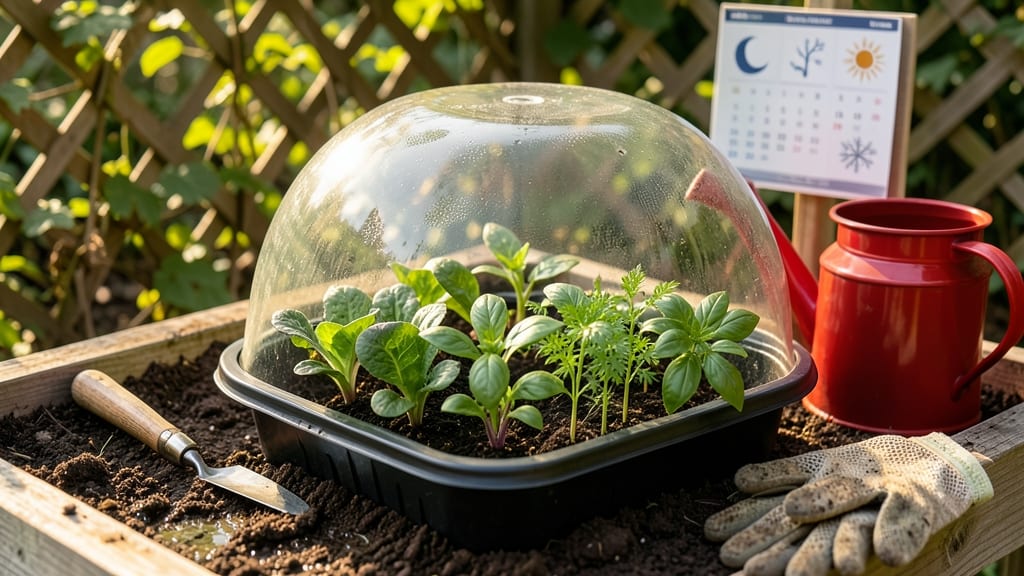
To plant garden plants at the perfect time means avoiding the heartbreak of frost-nipped seedlings or stunted growth from a rushed schedule—timing is everything for a thriving harvest.
Most gardeners glance at the calendar and guess, but your microclimate—whether you’re tucked in a valley, baking on a south-facing slope, or surrounded by urban heat—can shift those deadlines by weeks.
In USDA Zone 6a, for example, last frost typically lands around April 15, but a single block of pavement or a nearby pond could push your planting window back by two weeks or more.
This guide cuts through the guesswork with data-backed strategies, from adjusting for soil temperature to using moon cycles as a backup.
You’ll learn how to pinpoint your zero-frost-risk window, which crops to prioritize based on your local heat zones, and why planting basil too early might as well be throwing money into the wind.
Skip the trial-and-error—discover the exact timing, tools, and tweaks to turn your garden into a predictable success, no matter where you live or what 🌱 you’re growing.
How to calculate your zero-frost-free planting window by microclimate
Timing your garden planting wrong can mean the difference between thriving tomatoes and wilted seedlings. The USDA Plant Hardiness Zone Map gives a baseline, but your local microclimate—like a south-facing slope or urban heat island—can shift frost-free dates by weeks.
To avoid costly mistakes, I’ll show you how to calculate your zero-frost-risk planting window using science-backed tools and adjustments.
Start by finding your USDA zone average for the last spring frost (check the [USDA Zone Map](https://planthardiness.ars.usda.gov/)). For example, if you’re in Zone 7a, the average last frost might be April 15—but your microclimate could push that date earlier or later.
Next, factor in elevation changes (higher = later frost) and water bodies (cooler air lingers near lakes). Urban areas often experience heat islands, delaying frost by 1–2 weeks.
For precise data, use the National Weather Service’s frost calculator or local weather stations like Weather Underground. These tools provide 30-year climate trends, accounting for warming patterns.
For instance, my Zone 6 garden in a valley typically sees frost until May 10, but my neighbor’s south-facing slope is frost-free by April 25. Adjust your planting window accordingly.
Here’s how microclimates reshape frost dates compared to USDA averages:
| Factor | Cooler Microclimates (e.g., valleys) | Warmer Microclimates (e.g., south-facing slopes) | Urban Areas |
|---|---|---|---|
| Last Frost Date | 2–3 weeks after USDA zone average | 1–2 weeks before USDA zone average | 1 week earlier than rural zones |
| First Frost Date | 3–4 weeks after USDA zone average | Same as USDA zone average | 1 week later than rural zones |
| Safe Planting Window | Narrow (2–3 weeks) | Wide (4–6 weeks) | Extended (3–5 weeks) |
| Tools to Verify | Local weather station + elevation adjustment | Sun exposure tracker | Heat island maps + nearby park data |
Once you’ve adjusted for your microclimate, cross-reference with soil temperature. A soil thermometer is your best friend—most warm-season crops (like peppers and basil) need soil at 60–70°F for 3+ days before planting.
In my Zone 5 garden, I wait until May 1 for tomatoes, even if the air feels warm, because cold soil stunts growth. Pro tip: Use black plastic mulch to warm soil faster in cooler microclimates.
Don’t forget to account for 30-year climate trends. The last decade has seen earlier springs in many regions. For example, my Zone 6 last frost date has shifted from April 20 to April 5.
Check NOAA’s climate normals for your area to stay ahead. If you’re unsure, err on the side of caution: plant warm-season crops 2 weeks later than the average last frost date in cooler microclimates.
For urban gardeners, heat islands can be a double-edged sword. While they delay frost, they also cause heat stress in plants. Monitor your garden’s temperature with a shade thermometer—if it hits 90°F+, opt for shade cloth or heat-tolerant varieties like ‘Solar Fire’ peppers.
In my city garden, I plant basil in containers near the patio where evening breezes cool things down.
Finally, test your calculations with a frost watch. Sign up for alerts from your local National Weather Service office. If a late frost is forecasted, cover tender plants with frost blankets or move potted crops indoors.
Last year, a May frost in my valley destroyed my early tomato seedlings—until I learned to use row covers as a backup.
By combining USDA zones, local weather data, and microclimate tweaks, you’ll pinpoint your zero-frost planting window with confidence. Start with your baseline, adjust for heat or cold pockets, and verify with soil temps. Your garden’s success depends on it! 🌱
Crop-specific planting timelines for zero-frost risk gardens
Mastering the perfect planting window for frost-sensitive crops transforms your garden from a gamble to a guaranteed harvest. Unlike hardy greens, warm-season favorites like tomatoes and peppers demand precise timing—plant too early, and you risk frost damage; too late, and your growing season shrinks.
The key? Aligning your schedule with soil temperatures, not just air temps, while accounting for your local microclimate. For example, a south-facing slope might be ready 2 weeks earlier than your USDA zone average, while a valley could need a 3-week delay.
Below, I’ve organized 12 high-value, frost-sensitive crops by their ideal soil temperature ranges and planting windows after the last frost. These timelines assume a zero-frost-risk period, but I’ve also included microclimate adjustments to help you fine-tune for urban heat islands, desert conditions, or coastal fog.
Pro tip: Use a soil thermometer—air temps can be misleading when the ground is still chilly.
| Crop | Ideal Soil Temp (°F) | Planting Window (After Last Frost) | Microclimate Adjustments |
|---|---|---|---|
| Tomatoes | 60–70 | 2–4 weeks after last frost | Use black plastic mulch in cool zones; wait until soil hits 65°F in deserts |
| Peppers | 70–85 | 4–6 weeks after last frost | Start indoors in Zone 5; direct-sow in Zone 8+ |
| Basil | 70+ | After all danger of frost | Grow in containers near patios in cold zones; mulch heavily in hot zones |
| Cucumbers | 60–90 | 1–2 weeks after last frost | Use row covers in early spring; trellis for urban heat islands |
| Eggplant | 75–85 | 6–8 weeks after last frost | Transplant only after night temps stay above 55°F; avoid wet soil |
| Okra | 80–100 | After soil reaches 80°F | Direct-sow in Zone 9+; start indoors in cooler zones |
| Sweet Potatoes | 70–90 | 2–3 weeks after last frost | Plant slips in warm soil; mulch to retain heat in short seasons |
| Melons | 70–95 | 2 weeks after last frost | Use black plastic mulch to warm soil; trellis for small spaces |
| Squash | 60–90 | 1–2 weeks after last frost | Avoid wet soil; use raised beds in damp climates |
| Green Beans | 60–75 | 2 weeks after last frost | Plant pole beans for vertical space in urban gardens |
| Corn | 60–85 | 1–2 weeks after last frost | Plant in blocks, not rows, for pollination; avoid late frosts |
| Lettuce (Heat-Tolerant) | 50–75 | Fall planting: 8–10 weeks before first frost | Choose ‘Jericho’ or ‘Black Seeded Simpson’ for summer; shade cloth in heat |