
Planting
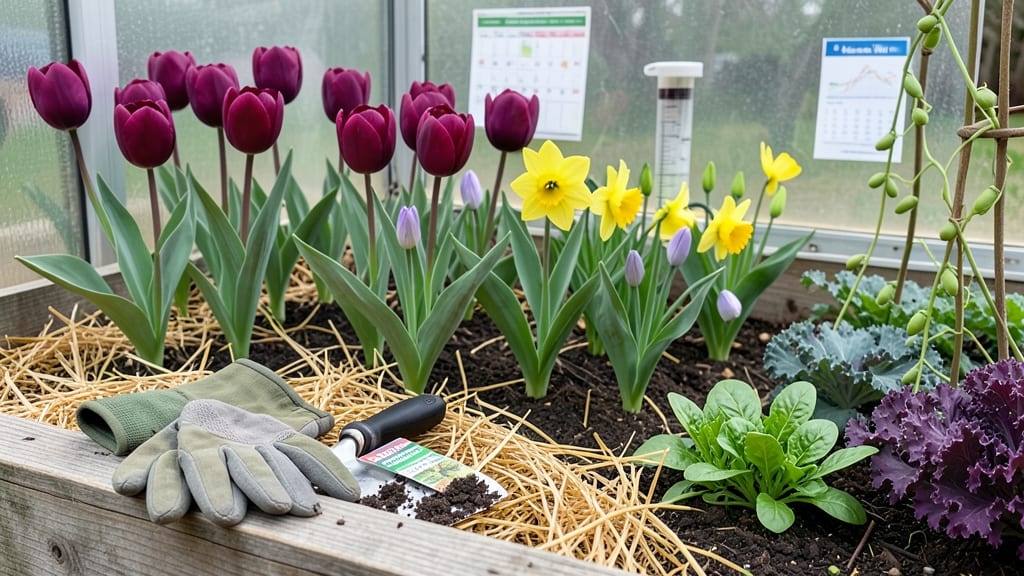
Planting your garden in Upstate NY at the right time means the difference between a bumper crop and a frost-killed disappointment 🌱 — and those windows are tighter than you think.
Upstate New York’s chilly springs and unpredictable frosts can turn a gardener’s dream into a disappointing failure—unless you know the exact planting windows for your Zone 5b climate. Miss these deadlines, and your seedlings could become a late-night snack for frost.
Cool-season crops like peas and spinach need to hit the soil 4-6 weeks before your last frost, while tomatoes and peppers should wait until 2-3 weeks after. In Zone 5b, that means starting some seeds indoors by early March and planting outdoors no later than mid-May.
Below, I break down the critical planting deadlines for Upstate NY, how to adjust for microclimates, and the most common mistakes that ruin a season before it starts.
Upstate NY planting calendar: frost dates and last safe planting deadlines
Upstate New York’s Zone 5b climate means your planting schedule must dance with frost dates—typically between April 15–May 15 for last frost and October 15–November 1 for first frost.
In cities like Rochester, Syracuse, and Albany, these dates shift slightly due to microclimates, so always check local National Weather Service updates or your Cornell Cooperative Extension for real-time alerts.
For cool-season crops like spinach, peas, and kale, start seeds indoors 4–6 weeks before your last frost date. These hardy plants thrive in 40–60°F soil and can even handle light frosts.
Meanwhile, warm-season crops such as tomatoes, peppers, and basil need the soil to warm to 60°F+—usually 2–3 weeks after last frost—before planting.
Perennials like asparagus, rhubarb, and strawberries have their own rules: plant crowns in early spring as soon as soil is workable, or in fall for a head start. Herbs like parsley and cilantro are cool-season darlings, while basil and oregano prefer warmer soil and should wait until late spring.
Here’s your Upstate NY planting timeline broken down by crop type, frost risk, and ideal soil temperatures to keep your garden thriving:
| Crop Type | Planting Window | Soil Temp (°F) | Last Safe Planting | Notes |
|---|---|---|---|---|
| Cool-Season Veggies | 4–6 wks before last frost | 40–60°F | May 1–15 | Spinach, peas, lettuce, kale |
| Warm-Season Veggies | 2–3 wks after last frost | 60°F+ | May 15–30 | Tomatoes, peppers, cucumbers |
| Herbs | Cool: 4–6 wks before frost; Warm: after frost | 40–70°F | May 1–June 15 | Parsley (cool), basil (warm) |
| Perennials | Early spring or fall | 45–60°F | April 15–May 15 or Sept 15–Oct 1 | Asparagus, rhubarb, strawberries |
| Flowers | After last frost or early spring | 50–65°F | May 1–June 1 | Marigolds, zinnias, petunias |
Pro tip: Use row covers or cold frames to extend your cool-season planting by 2–3 weeks if frost threatens. For warm-season crops, wait until nighttime temps stay above 50°F—even if daytime highs are warm—to avoid stunted growth.
In Syracuse’s lake-effect zones, expect later frost dates due to cooler lake breezes.
Fall planting is just as critical: broccoli, cabbage, and carrots can handle light frosts and should be sown by August 15 for a harvest before winter sets in. Garlic and onions love being planted in October for next year’s harvest.
Always aim to plant 6–8 weeks before first frost for a fall crop to mature.
Track your garden’s progress with a planting journal to note when frost hits early or late in your specific area. Over time, you’ll refine your schedule—because in Upstate NY, Mother Nature always has the final say. 🌱
For extra insurance, harden off seedlings gradually before transplanting, especially if you’re pushing the last safe planting deadline
How to adjust planting times for Upstate NY’s microclimates and soil conditions
Upstate New York’s Zone 5b climate throws curveballs with late spring frosts and lake-effect snow delays. But by understanding microclimates and soil warming tricks, you can extend your growing season like a pro.
For example, a south-facing slope warms 2-3 weeks faster than a shady valley spot—critical for tomatoes and peppers that need consistent warmth.
Start by testing your soil’s warming speed in early spring. Bury a thermometer at 4 inches deep—most Upstate soils hit 50°F (ideal for planting) by late May, but rocky areas or clay pockets can lag 1-2 weeks behind.
Amend cold spots with compost or black plastic mulch to accelerate warming by 5-10°F.
- 1. Extend spring with row covers or cold frames—start spinach and lettuce as early as mid-April under protection.
- 2. Delay frost by planting warm-season crops (like beans) near stone walls or dark mulch—these areas stay 5°F warmer at night.
- 3. Monitor lake-effect patterns: Areas east of Lake Ontario (e.g., Syracuse) often see delayed last frosts—wait until May 20 for heat-lovers like peppers.
- 4. Use soil thermometers over almanac dates: A 55°F soil is safer for cucumbers than a 60°F air temp on a windy day.
- 5. Plant succession crops every 2 weeks after your last frost—radishes mature in 30 days, so you can squeeze in 3 harvests by July.
Risk assessment is key: Planting tomatoes too early (before May 15) risks blossom-end rot from cold soil, while waiting too long (after June 1) shortens your harvest window.
For perennials like asparagus, dig crowns in early spring when soil is workable (40°F+) to avoid compacting clay.
Don’t overlook fall planting: Garlic and onions thrive when planted in October—they need 60 days of cold to form bulbs. Use straw mulch (3 inches deep) to insulate roots from freeze-thaw cycles that split bulbs.
For cool-season veggies, start kale and carrots by August 15 to harvest before first frost (usually October 15).
Pro tip: Keep a gardening journal for 3 years to track your local microclimates. Note which areas warm fastest, where frost lingers, and which soil types drain best.
For example, my sandy loam warms 10 days earlier than my neighbor’s clay-heavy plot—now I plant peppers there first!
With these adjustments, you’ll turn Upstate NY’s unpredictable climate into your garden’s superpower. Start small, observe, and soon you’ll be harvesting homegrown tomatoes while your neighbors are still waiting for their soil to thaw. Happy growing! 🌱