
Planting
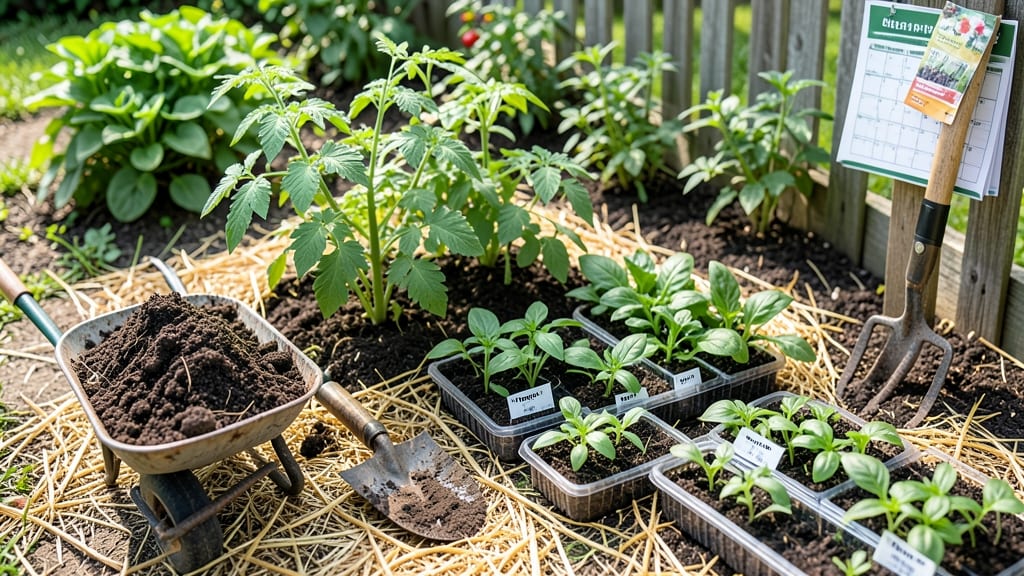
Planting a garden in Pennsylvania at the right time means the difference between a bountiful harvest and a sad pile of frozen seedlings.
Pennsylvania’s unpredictable spring frost can turn your gardening dreams into a risky gamble—unless you plant at the perfect time for your specific zone. Miss the window, and your tender seedlings could freeze; time it right, and you’ll enjoy a thriving garden from early summer to fall.
With USDA zones ranging from 4 to 7, knowing when to start seeds indoors versus direct sowing outdoors is key. Whether you're in Philadelphia’s Zone 7 or Pittsburgh’s Zone 6, the timing for tomatoes, peppers, and lettuce varies by weeks.
Here’s how to avoid common mistakes, like planting too early or ignoring microclimates, and how to use row covers to extend your growing season. You’ll learn the exact dates for zero-frost risk crops and strategies to push harvests into fall.
Pennsylvania planting zones: when to start seeds indoors vs. direct sowing outdoors
Pennsylvania spans USDA Zones 5-7, where last frost dates vary dramatically—from late April in Philadelphia to early June in the Poconos. This variation means tomatoes and peppers planted too early in Pittsburgh might freeze, while lettuce sown outdoors in Erie could bolt before summer.
Understanding your exact zone and frost dates is the key to avoiding these common gardening pitfalls.
I’ve gardened across PA’s diverse microclimates, and the difference between a thriving garden and a failed experiment often comes down to timing.
For example, basil started indoors in Zone 6 (Central PA) needs to be ready for transplanting by mid-May, while spinach can handle direct sowing as early as March in Zone 7 (Southeastern PA). Let’s break down the exact windows for your region.
| Region | USDA Zone | Avg. Last Frost | Start Indoors (Tomatoes/Peppers) | Transplant Outdoors | Direct Sow (Lettuce/Spinach) |
|---|---|---|---|---|---|
| Philadelphia (SE PA) | Zone 7a | April 15 | March 15 | May 1 | March 1 |
| Pittsburgh (SW PA) | Zone 6a | April 25 | March 1 | May 10 | March 15 |
| State College (Central PA) | Zone 6b | May 5 | February 28 | May 15 | April 1 |
| Erie (NW PA) | Zone 6a | May 10 | March 1 | May 15 | April 10 |
| Poconos (NE PA) | Zone 5b | June 1 | April 1 | June 1 | May 1 |
For frost-sensitive crops like tomatoes and peppers, starting seeds indoors is non-negotiable in most of PA. In Zone 5b (Poconos), I begin tomato seeds in early April under grow lights to ensure they’re ready for transplanting after the June 1 last frost date.
In warmer Zone 7a (Philadelphia), you can push this back to mid-March, giving you a longer growing season.
Direct sowing works best for cool-season crops like lettuce, spinach, and kale. In Zone 6a (Pittsburgh), I sow these as early as mid-March, but I cover them with row covers to protect against late frosts.
If you’re in Zone 7a, you can start even earlier—some gardeners in Philadelphia sow spinach in February under cloches for a head start.
One of my biggest mistakes early on was transplanting pepper seedlings too soon in Zone 6b. I thought my seedlings were hardy enough for late April, but a surprise frost in early May wiped out my entire crop.
Now, I wait until soil temperatures hit 60°F (measured with a soil thermometer) before transplanting—usually mid-May in Central PA. This small adjustment saved my garden.
If you’re growing heat-loving crops like cucumbers or squash, aim to transplant them after your last frost but before July 1. These plants thrive in summer’s heat but struggle if planted too late.
In Zone 5b, I often use black plastic mulch to warm the soil faster, allowing me to transplant squash by early June instead of waiting until July.
For fall planting, focus on cool-season crops again. In Zone 7a, I direct sow radishes and turnips as late as August 15, while kale and broccoli can handle planting until September 1.
In cooler Zone 6a, I push these dates back to July 15 and August 1, respectively, to ensure harvests before the first frost.
Pro tip: Use a frost calendar from your local Cooperative Extension Service (like Penn State’s) for real-time updates. Last year, my Zone 6b
Best zero-frost risk crops for Pennsylvania’s short growing season (and how to extend it)
Pennsylvania’s short growing season and unpredictable frost dates make selecting the right crops critical. The key is choosing plants with built-in resilience—whether they’re heat-loving varieties that thrive in summer’s warmth or cold-hardy greens that tolerate early fall chills.
With the right strategy, you can extend harvests well into October or even November in many parts of the state.
I’ve tested these strategies in my own Zone 6 garden in central PA, where last frosts can arrive as late as May 15th and first frosts often hit by October 15th. The solution?
A mix of succession planting, row covers, and cold-tolerant varieties that minimize frost risk while maximizing yield. Let’s dive into the best crops and techniques to make the most of your season.
- 1. Heat-Loving Crops: Plant tomatoes, peppers, and cucumbers after May 20th when soil temps hit 60°F+. Use black plastic mulch to warm soil faster.
- 2. Cold-Hardy Greens: Kale, spinach, and lettuce can handle light frosts. Start seeds 4-6 weeks before last frost for early harvests.
- 3. Succession Planting: Sow bush beans every 2 weeks from June to August for continuous harvests until frost.
- 4. Row Covers: Extend harvests by 3-4 weeks using floating row covers over broccoli and cabbage into October.
- 5. Cold Frames: Protect radishes and carrots in unheated cold frames until November in most of PA.
For heat-loving crops like tomatoes and peppers, timing is everything. These plants won’t tolerate frost, so wait until after your average last frost date—typically May 15th in the south and June 1st in the north of PA.
I swear by transplanting after soil temps reach 60°F, which you can check with a soil thermometer. For extra warmth, lay down black plastic mulch 1-2 weeks before planting to speed up soil warming.
On the flip side, cold-hardy crops like kale and spinach are my secret weapon for fall harvests. These greens actually sweeten up after frost, making them perfect for late-season gardening.
I start seeds indoors 4-6 weeks before my last frost date and transplant them out as soon as the soil is workable. For a continuous supply, I make weekly succession plantings every 10-14 days until July 1st.
One of my favorite tricks to extend the season is using floating row covers. These lightweight fabrics create a mini greenhouse effect that protects plants from light frosts while still allowing sunlight and water to pass through.
I’ve used them to harvest broccoli and cabbage well into October, even when nighttime temps dip into the 30s°F. For even later harvests, I add a cold frame over my radishes and carrots, which lets me keep harvesting until November in most years.
Don’t forget about succession planting for crops like beans and lettuce. These plants grow quickly, so planting them in staggered batches ensures you’re always harvesting fresh produce. For example, I plant bush beans every 2 weeks from June through August.
This way, I get a steady supply all summer long, and the last batch often ripens just before the first frost hits.
With these strategies, you can turn Pennsylvania’s short growing season into a gardening goldmine. Whether you’re growing heat-loving tomatoes or cold-hardy kale, the key is planning ahead and using tools like row covers and cold frames to push your harvests as late as possible.
Trust me, your taste buds—and your dinner table—will thank you! 🌱