
Planting
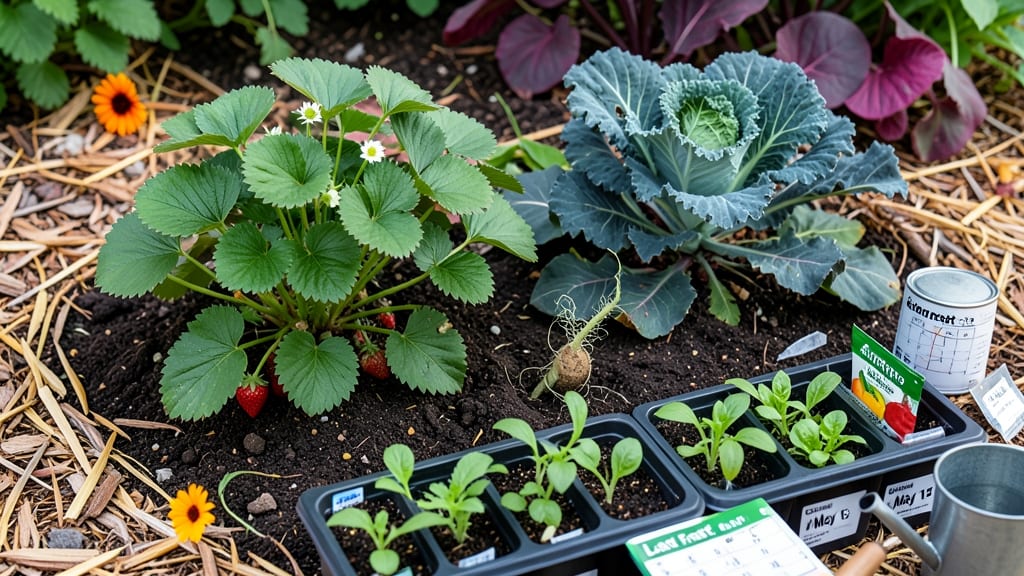
To plant a garden in Oregon at the right time means aligning your calendar with your microclimate—whether you're in the Willamette Valley, the high desert, or the foggy coast.
Oregon’s diverse zones can turn a gardening season into a guessing game if you don’t account for late frosts in the Gorge or coastal chill that lingers past Memorial Day. But with the right timing, you’ll avoid stunted seedlings and maximize your harvest.
This guide breaks down the exact planting windows for your region, from cool-season crops like spinach to heat-loving tomatoes, plus tools to adjust for unpredictable weather.
Skip the trial-and-error—learn how to plant zero-risk based on frost dates, soil temps, and local microclimates that shift even within a single city.
Oregon planting zones & microclimates: when to start seeds indoors vs. direct-sow outdoors
Oregon’s USDA planting zones range from 5b in the high desert to 9a along the coast, creating wildly different growing conditions.
Even within 50 miles, your last frost date can shift by 3-4 weeks—meaning a tomato seed planted too early in Bend might freeze, while the same seed thrives in Portland.
Microclimates—like urban heat islands in Medford or coastal fog near Astoria—force gardeners to adjust planting timelines dramatically. For example, spinach can bolt in Eugene’s hotter summers, while peas struggle to mature in La Grande’s shorter season.
Below, I’ve broken down indoor seed-starting dates and direct-sow windows for Oregon’s most common vegetables and herbs, accounting for elevation, proximity to water, and urban vs. rural differences.
Use your zip code’s last frost date (check NOAA’s Frost/Freeze Tool) as your baseline, then tweak based on your microclimate.
Pro Tip: High-desert areas (zones 5-6) often have earlier springs than coastal zones (8-9), but their shorter growing seasons demand faster-maturing varieties like ‘Early Girl’ tomatoes or ‘Sugar Snap’ peas.
| Oregon Region | USDA Zone | Last Frost Date | Start Seeds Indoors (Cool Crops) | Start Seeds Indoors (Warm Crops) | Direct-Sow Outdoors (Cool Crops) | Direct-Sow Outdoors (Warm Crops) |
|---|---|---|---|---|---|---|
| Coastal (Astoria, Cannon Beach) | 8a-9a | April 15 | Feb 15 - Mar 1 | Mar 15 - Apr 1 | Mar 1 - Apr 15 | May 1 - Jun 15 |
| Willamette Valley (Portland, Eugene) | 7b-8a | March 15 | Jan 15 - Feb 15 | Feb 15 - Mar 15 | Feb 15 - Mar 30 | Apr 15 - May 15 |
| Columbia Gorge (Hood River, The Dalles) | 6b-7a | April 1 | Jan 1 - Feb 1 | Feb 15 - Mar 1 | Mar 1 - Apr 10 | May 1 - May 30 |
| High Desert (Bend, La Grande) | 5b-6a | May 15 | Feb 1 - Mar 1 | Mar 15 - Apr 1 | Apr
Critical last frost dates by Oregon region: how to avoid frost-killed seedlingsOregon’s last frost dates vary dramatically across regions, making timing everything for your garden’s survival. In the Willamette Valley, for example, tender seedlings can still face frost until mid-April, while high-desert areas like Bend often wait until late May. Even a few degrees below freezing can devastate young plants, so knowing your region’s historical frost patterns is non-negotiable. For coastal Oregon, the Coast Range typically sees its last frost around April 15, but inland valleys like the Columbia Gorge can extend that window by weeks. These differences mean your planting schedule must account for microclimates—even neighboring towns may have 10-day differences in frost-free windows. If you’re planting heat-loving crops like tomatoes or peppers, wait until two weeks after your region’s average last frost. For cool-season crops such as kale or broccoli, you can often start seeds 4-6 weeks before the last frost—these hardy greens tolerate light frosts and may even bolster flavor from cold exposure. Eastern Oregon’s high-desert climate presents unique challenges, with late spring frosts possible until May 15 in areas like Bend. Here, early-maturing varieties of squash or beans are your best bet, as they can outpace frost risks. Always check local NOAA frost data for the most accurate timelines—your neighbor’s garden might not match your microclimate. For backup planting dates, consider using cold frames or greenhouses to start seeds early. Even a simple hoop tunnel can add 3-4 weeks to your growing season. Hardy crops like spinach or peas can often handle light frosts, but delicate seedlings (like lettuce or carrots) need protection until soil temperatures stabilize above 50°F. Remember, historical averages aren’t guarantees—unpredictable weather can shift frost dates by weeks. Monitor local forecasts and have a contingency plan (like extra row covers) ready. With the right timing and preparation, you can avoid frost-killed seedlings and enjoy a thriving garden all season long. 🌱 |