
Planting
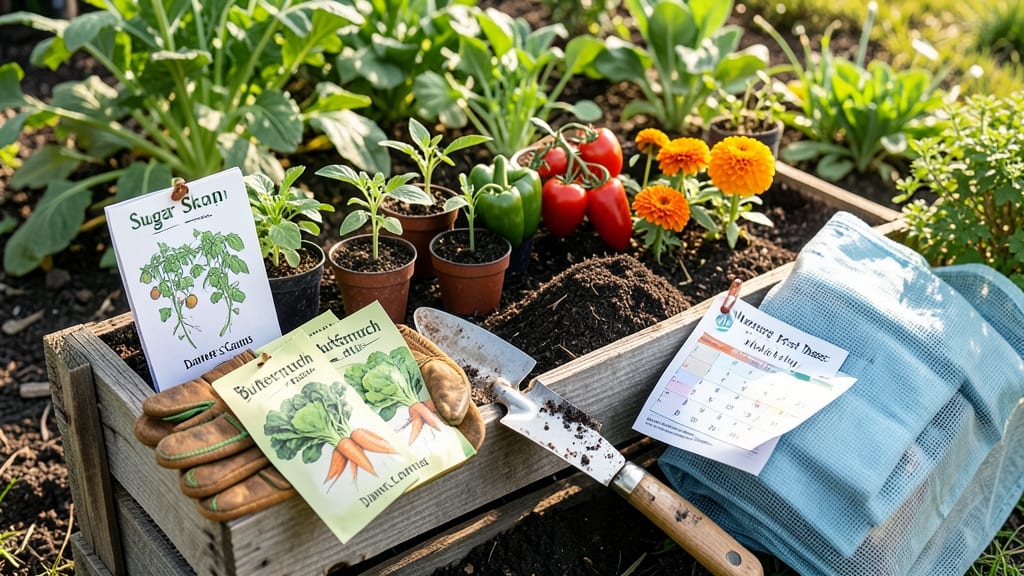
Planting a garden in Nebraska at the right time means the difference between a bountiful harvest and a season of frustration—so timing your seeds and transplants to match your zone’s frost dates is non-negotiable.
Nebraska’s unpredictable climate can turn a gardener’s dream into a guessing game unless you know the exact frost-free dates for your zone and the best planting windows for each crop. Timing is everything for a thriving garden, and getting it wrong means wasted seeds or stunted plants.
Most Nebraska gardeners in zones 5a-6b should start cool-season crops like peas and spinach indoors by March 1, while warm-season favorites like tomatoes and peppers wait until after the last frost—typically April 15 to May 15 depending on your region.
Below, I break down the full planting schedule by crop type, how to adjust for late frosts or early heat, and the one Nebraska-specific trick that saves my garden every year.
Nebraska planting zones & frost dates: when to start seeds indoors vs. outdoors
Nebraska’s USDA Hardiness Zones 4a-6b create a unique gardening challenge, where last frost dates can vary by 10-14 days between eastern and western regions. Understanding your specific microclimate is key to avoiding frost damage while maximizing your growing season.
For example, Omaha (Zone 5b) typically sees its last frost around April 20, while Lincoln (Zone 5a) may wait until April 25, and Kearney (Zone 6a) often reaches frost-free conditions by April 15.
Western Nebraska—especially areas near Scottsbluff or North Platte (Zone 5a-6a)—can experience even earlier last frosts, sometimes as early as April 10. These variations mean timing is everything when deciding whether to start seeds indoors or direct-sow outdoors.
A frost date calculator from the Nebraska State Climate Office can help refine these estimates for your exact location, accounting for elevation and local weather patterns.
| Region | USDA Zone | Avg. Last Frost | First Frost | Indoor Start (Weeks Before Last Frost) | Direct Sow After |
|---|---|---|---|---|---|
| Omaha | 5b | April 20 | October 10 | 6-8 weeks (Feb-Mar) | May 1 |
| Lincoln | 5a | April 25 | October 5 | 6-8 weeks (Feb-Mar) | May 10 |
| Kearney | 6a | April 15 | October 20 | 5-7 weeks (Feb-Mar) | April 25 |
| Western NE (Scottsbluff) | 5a-6a | April 10 | October 15 | 5-6 weeks (Feb) | April 20 |
For cool-season crops like spinach, peas, and lettuce, you can often direct-sow outdoors as early as March 15 in western Nebraska or April 1 in eastern areas, using row covers to protect tender seedlings.
These hardy plants can even tolerate light frosts, making them ideal for extending your spring harvest.
However, warm-season crops such as tomatoes, peppers, and cucumbers require warmer soil temperatures (60°F+), so they must wait until after your last frost date or be started indoors 6-8 weeks prior.
My go-to rule is to start warm-season seeds indoors in late February to early March for most of Nebraska, using grow lights to prevent leggy seedlings.
For slow-growing plants like tomatoes or eggplants, I begin indoors by February 15 to ensure they’re transplant-ready by May 1. Fast-growing crops like bush beans or zucchini can wait until April 1 for indoor starts or be direct-sown after May 15 when soil temperatures are stable.
One critical mistake I’ve seen new gardeners make is planting too early without checking soil temperatures. A soil thermometer is your best friend—most vegetable seeds need soil temps of at least 50°F, while warm-season crops require
Best planting schedule for Nebraska crops: cool-season vs. warm-season vegetables
Nebraska’s cool-season crops like spinach and peas thrive in early spring and fall, while warm-season crops such as tomatoes and peppers need warmer soil and air temperatures. Getting the timing right means avoiding frost damage or stunted growth from heat stress.
For example, planting broccoli too late in spring can lead to bolting before harvest, while tomatoes planted too early will wilt in cold soil.
In Nebraska’s USDA Zones 5a-6b, the last frost date typically falls between April 15 and May 1, depending on your region. Succession planting is key to extending harvests—especially for leafy greens and root vegetables.
For instance, you can plant lettuce every 2 weeks from early spring until mid-summer to enjoy fresh leaves all season long.
Here’s a quick comparison of cool-season vs. warm-season planting windows to help you plan your Nebraska garden:
| Crop Type | Best Planting Window | Soil Temp Requirement | Succession Planting Tip |
|---|---|---|---|
| Cool-Season (Spinach, Peas, Broccoli) | March 15 - April 30 / August 15 - September 30 | 45-65°F | Plant every 2-3 weeks for continuous harvest |
| Warm-Season (Tomatoes, Peppers, Corn) | May 1 - June 15 | 60-85°F | Use row covers to warm soil early if needed |
| Heat-Tolerant (Okra, Sweet Potatoes, Southern Peas) | June 1 - July 15 | 70-90°F | Direct sow after last frost; mulch to retain moisture |
For cool-season crops, I recommend starting spinach and peas indoors in late February to transplant outdoors by mid-April.
These crops can handle light frosts, but avoid planting broccoli after May 15—it’ll bolt before producing heads. Warm-season crops like tomatoes and peppers need to wait until the soil temperature reaches at least 60°F, usually around May 1 in most of Nebraska.
Nebraska’s unpredictable weather, including hail risks and drought conditions, can disrupt planting schedules. To mitigate these challenges, I use row covers to protect young plants from late frosts and drip irrigation to conserve water during dry spells.
For example, if a late frost hits in early May, I’ll delay planting warm-season crops by a week or two to avoid cold damage.
Succession planting is a game-changer for Nebraska gardens. For instance, I plant bush beans every 2 weeks from May through July to ensure a steady supply. Similarly, lettuce and radishes can be sown every 3 weeks for a continuous harvest.
This strategy also helps maximize space and reduce waste by ensuring you’re always harvesting something.
Remember, Nebraska’s western regions tend to have earlier last frosts (around April 1) compared to the eastern areas (closer to May 1). Always check the Nebraska State Climate Office for localized frost dates and adjust your planting schedule accordingly.
With the right timing, you’ll enjoy a bountiful harvest all season long! 🌱