
Planting
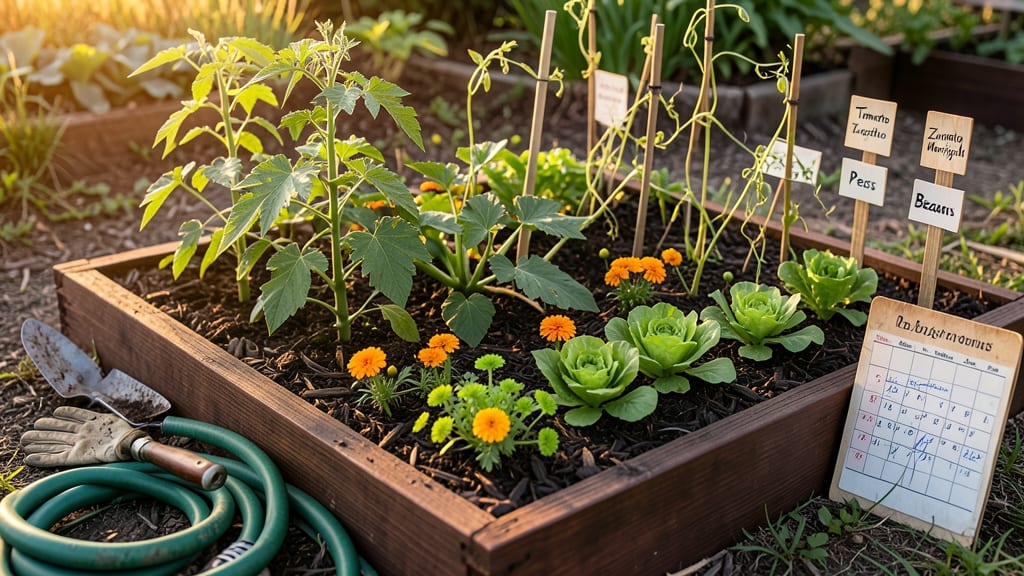
Planting a garden in Iowa means timing your seeds to dodge frost and maximize your growing season—because a two-week delay can turn a bumper crop into a sad, wilted mess.
Iowa’s frost dates are famously unpredictable, but mastering them is the key to a thriving 🌱 garden. Whether you’re sowing peas in early spring or tomatoes in late summer, getting the timing right means the difference between a harvest and a disappointment.
From USDA Zones 5a-6a to microclimates that can shift frost dates by weeks, we’ll break down the exact windows for starting seeds indoors, direct-sowing cold-hardy crops, and transplanting heat lovers like peppers and cucumbers.
You’ll learn how to cheat frost with row covers, when to succession-plant for continuous harvests, and which fast-growing crops give you the most bang for your buck—even in Iowa’s short season.
Iowa’s frost-free planting zones: when to start seeds indoors vs. direct-sow
Iowa’s USDA Zones 4-5 mean frost can strike anytime between April 15 and May 15, depending on your microclimate. As a gardener who’s lost multiple tomato starts to late frosts, I’ve learned the hard way that timing is everything.
Whether you’re starting pepper seeds indoors or direct-sowing spinach outdoors, knowing your last frost date and soil temperature thresholds is non-negotiable.
Iowa’s four distinct regions—Northwest, Northeast, Southeast, and South Central—each have their own frost patterns. For example, Des Moines (South Central) averages its last frost on April 25, while Dubuque (Northeast) can see frost as late as May 10.
These differences mean your transplant window for warm-season crops like tomatoes and peppers could vary by two weeks or more.
Here’s the key: Start seeds indoors for heat-loving plants 6-8 weeks before your region’s last frost, while direct-sowing cold-hardy crops like peas and spinach as soon as soil reaches 40°F. Miss these windows, and you’ll either have overcrowded seedlings or frost-nipped greens.
| Region | Last Frost Date (Avg.) | First Frost Date (Avg.) | Indoor Seed Start (Tomatoes/Peppers) | Transplant Window | Direct-Sow (Peas/Spinach) |
|---|---|---|---|---|---|
| Northwest (Sioux City) | April 20 | October 10 | March 15 | May 10 - May 25 | March 20 - April 10 |
| Northeast (Dubuque) | May 10 | October 5 | April 1 | May 20 - June 5 | April 1 - April 15 |
| Southeast (Burlington) | April 25 | October 15 | March 20 | May 5 - May 20 | March 25 - April 10 |
| South Central (Des Moines) | April 25 | October 10 | March 20 | May 10 - May 25 | March 25 - April 10 |
For tomatoes and peppers, which need warm soil (60°F+), I recommend using early vs. late varieties to hedge your bets. Early varieties like ‘Early Girl’ tomatoes mature in 60 days, while late varieties like ‘Brandywine’ take 85 days.
Plant both—one for a June harvest and one for late summer.
Direct-sowing cold-hardy crops like peas and spinach is simpler: just wait for soil to warm to 40°F. In Northwest Iowa, that’s often by mid-March, while Northeast Iowa may not hit that mark until early April.
Use a soil thermometer—trust me, your spinach seeds won’t thank you for guessing.
Pro tip: If you’re in Zone 4 (northern Iowa), consider
Zero-frost risk crops for Iowa: the 10 fastest-growing plants to extend your growing season
Iowa’s short growing season can feel like a race against time, but with the right crops, you can stretch your harvest well into fall—or even start early without frost worry.
The key? Choosing fast-maturing, heat-tolerant varieties that thrive in 50-85°F soil temperatures. These plants let you harvest before frost or squeeze in late-season plantings when temperatures drop.
For spring plantings, aim for mid-April to early May after the last frost date, while fall crops should go in by mid-August to mature before October’s first frost.
Below, I’ve curated the 10 fastest-growing crops that consistently deliver for Iowa gardeners, complete with day-to-harvest timelines and soil temperature requirements.
⚠️ NON-NEGOTIABLE: Always check soil temperature with a soil thermometer—cold soil delays germination, even for fast growers.
| Plant | Days to Harvest | Soil Temp (°F) | Spring Planting | Fall Planting | Sun Needs |
|---|---|---|---|---|---|
| Bush Beans | 45-55 | 60-85°F | May 1 - June 15 | July 15 - Aug 15 | Full Sun |
| Radishes | 25-30 | 50-75°F | March 20 - April 30 | Aug 1 - Sept 15 | Full Sun |
| Lettuce (Leaf) | 30-45 | 45-70°F | April 1 - May 15 | Aug 1 - Sept 10 | Partial Shade |
| Cucumbers (Bush) | 50-60 | 65-85°F | May 15 - June 1 | July 1 - July 31 | Full Sun |
| Spinach | 35-45 | 45-65°F | March 20 - April 15 | Aug 1 - Sept 1 | Partial Shade |
| Zucchini (Bush) | 45-55 | 60-85°F | May 1 - May 15 | July 15 - Aug 1 | Full Sun |
| Swiss Chard | 50-60 | 50-75°F | April 15 - May 1 | July 1 - July 31 | Full Sun |
| Turnips | 30-40 | 50-70°F | March 20 - April 15 | Aug 1 - Sept 1 | Full Sun |
| Green Onions | 30-40 | 45-75°F | April 1 - May 15 | July 15 - Sept 1 | Full Sun |
| Bok Choy | ★★★★★4.7(8 reviews) |