
Planting
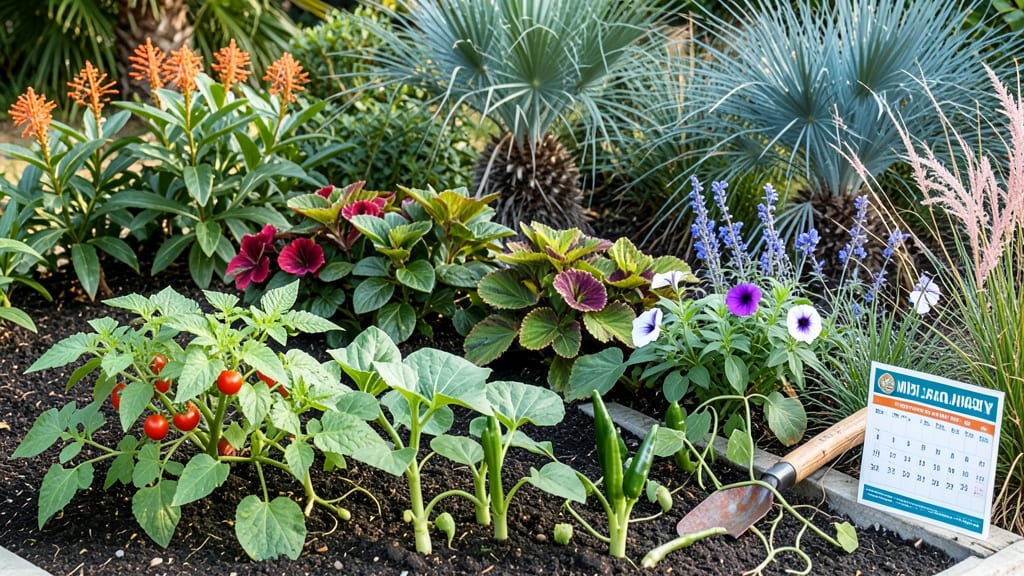
To plant a garden in Florida, aim for late February through early April for warm-season crops—just as the soil warms up past 65°F and the risk of late frosts fades away.
Florida’s long growing season and humid climate make gardening a year-round possibility—but timing still matters. Plant too early or late, and your tomatoes, peppers, or greens could bolt, wilt, or fall victim to pests.
This guide breaks down the 11 Florida planting zones, from the cooler North to the tropical South, so you know when to start seeds indoors or set out transplants for maximum success.
You’ll also discover how to adjust for microclimates, avoid heat stress, and align your planting schedule with Florida’s unique weather patterns—so you can enjoy a bountiful harvest from spring through fall.
Florida planting zones & best months for heat-tolerant vegetables
Florida’s unique climate—with its frost-free growing season and humid subtropical zones—lets gardeners plant almost year-round. But even here, timing is everything to avoid heat stress or transplant shock.
The state’s 11 planting zones (A-D) break down into three main regions: North, Central, and South Florida, each with distinct temperature thresholds.
For warm-season crops like tomatoes, peppers, and okra, the key is planting after the last frost (which rarely happens in Florida) but when soil temps hit 65°F+. Cool-season crops like lettuce and broccoli thrive in milder winter months when temps dip below 80°F.
Get this wrong, and your seedlings could bolt prematurely or wilt under summer’s intensity.
Here’s the zone-by-zone breakdown of optimal planting months, tailored to Florida’s heat-tolerant vegetables and cool-season greens. Use this as your garden calendar to align with Florida’s microclimates and avoid common pitfalls like fungal diseases from overwatering in humidity.
🌱
In North Florida (Zones 8A-9A), gardeners should start warm-season crops in March to avoid summer heat that can cause blossom drop in tomatoes. Cool-season greens like broccoli thrive from September to December, when temps dip below 80°F.
Use row covers to protect seedlings from unpredictable cold snaps that can still occur.
Central Florida’s Zones 9B-10A offer a longer window for warm crops, but July–September planting risks heat stress on young plants. Okra and sweet potatoes are exceptions—they thrive in heat and can be planted year-round with consistent moisture. For cool crops, August starts are ideal to beat summer’s intensity.
South Florida’s Zones 10B-11 are the most forgiving, allowing year-round planting of heat-lovers like eggplant and peppers. However, cool-season crops need shade cloth to prevent bolting. Succession planting every 2–3 weeks ensures continuous harvests, even in summer’s peak.
Urban gardeners face unique challenges like heat islands and limited space. Adjust planting by 2 weeks earlier for warm crops and use self-watering containers to manage sandy soil. Drip irrigation at dawn reduces fungal risks from humidity.
Pro tip: Monitor soil temperature with a soil thermometer—warm crops need 65°F+, while cool crops prefer 50–70°F. Mulch heavily to retain moisture and regulate temperature in Florida’s intense sun. With this schedule, you’ll avoid common mistakes and maximize your Florida garden’s potential!
☀️
Top 10 heat-tolerant crops for Florida gardens & their planting windows
Florida’s summer heat can turn your garden into a sauna, but these 10 heat-tolerant crops thrive under the sun. From sweet potatoes to malabar spinach, these plants not only survive but also produce bountiful harvests.
The key? Planting at the right time and giving them the care they need to beat the heat.
Each crop has its own ideal planting window, soil preferences, and heat thresholds. For example, okra loves the heat and can handle temperatures up to 100°F, while black-eyed peas prefer slightly cooler mornings.
Below, I’ve outlined the best months to plant, soil prep tips, and how to extend your harvest through Florida’s brutal summer.
| Crop | Ideal Planting Window | Heat Threshold (°F) | Soil Prep Tip | Harvest Extension Tip |
|---|---|---|---|---|
| Sweet Potatoes | April–June | 90–100°F | Loamy, well-draining soil with compost | Mulch heavily to retain moisture |
| Okra | March–July | Up to 100°F | Sandy loam with phosphorus | Succession plant every 2 weeks |
| Black-Eyed Peas | August–September | 80–95°F | Well-drained, slightly acidic soil | Provide afternoon shade in peak heat |
| Malabar Spinach | April–October | 85–95°F | Rich, moist, well-draining soil | Harvest young leaves for tender greens |
| Peppers (Hot) | February–April or August–September | 85–95°F | Well-draining soil with compost | Prune for airflow to prevent disease |
| Eggplant | March–May or August–September | 80–90°F | Fertile, well-draining soil | Use shade cloth for young plants |
| Cowpeas | April–July | 90–100°F | Sandy loam with nitrogen | Drought-tolerant; water deeply once established |
| Tomatoes (Heat-Tolerant Varieties) | February–March or August–September | 75–90°F | Well-draining soil with compost | ★★★★★4.5(7 reviews) |