
Planting
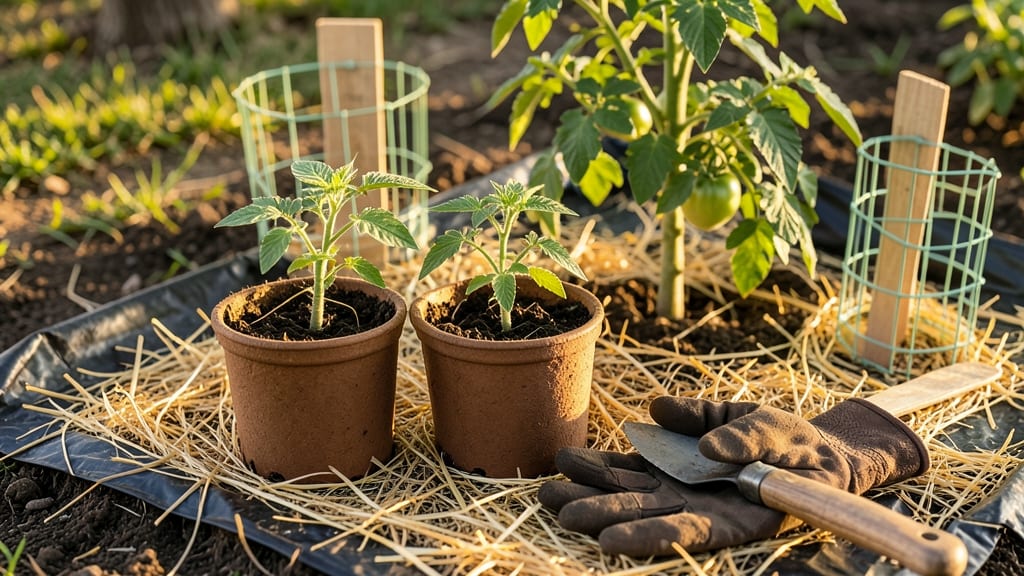
Planting a vegetable garden in Florida means working with a year-round schedule—no frost to hold you back, but heat, humidity, and pests that demand precision timing.
Too early, and your seedlings bolt in the heat; too late, and you miss the sweet spot for flavor and yield. I’ve seen tomatoes turn sour from summer planting and greens wilt in a single afternoon—mistakes that cost time and money.
This guide cuts through the guesswork with a month-by-month calendar tailored to Florida’s 8a-10b zones, separating warm-season powerhouses (like peppers and okra) from cool-season stars (think lettuce and broccoli).
You’ll learn the exact windows to plant, how to adapt for North vs. South Florida’s microclimates, and the one trick that saves struggling seedlings every summer.
Florida’s best zero-frost vegetables and their ideal planting months
Florida’s frost-free climate lets you grow vegetables year-round—but timing still matters. Heat stress in summer or pests in rainy seasons can ruin crops if planted at the wrong time. The key is matching each vegetable to its optimal temperature range and Florida’s three distinct microclimates (North, Central, South).
For example, tomatoes and peppers thrive in summer’s heat, while leafy greens like spinach prefer cooler months. Below, I’ve broken down the best planting months for Florida’s top zero-frost crops, including heat-tolerant varieties and regional adjustments to avoid common pitfalls.
🌱
| Vegetable | Best Planting Months | Heat-Tolerant Varieties | North FL Adjustment | Central FL Adjustment | South FL Adjustment |
|---|---|---|---|---|---|
| Tomatoes | March–May, August–October | 'Celebrity', 'Solar Fire', 'Heatmaster' | Start seeds indoors Feb | Year-round with shade cloth | Plant year-round; mulch heavily |
| Peppers (Bell/Chili) | February–April, July–September | 'Carolina Wonder', 'Jalapeño M', 'Shishito' | Use shade cloth for summer | Plant July–September for best yield | Year-round; protect from heavy rain |
| Okra | April–June, August–September | 'Clemson Spineless', 'Emerald' | Direct sow March–April | Plant April–May for summer harvest | Plant May–June; thrives in heat |
| Sweet Corn | February–March, August–September | 'Silver Queen', 'Peaches and Cream' | Plant early; watch for corn earworm | Succession plant every 2 weeks | Plant August–September for fall harvest |
| Leafy Greens (Spinach, Lettuce) | September–November, January–February | 'Black Seeded Simpson', 'Romaine' | Use shade cloth in summer | Plant Sept–Nov or Jan–Feb | Grow in partial shade year-round |
| Green Beans | February–March, August–September | 'Blue Lake', 'Contender' | Plant early; mulch to retain moisture | Succession plant every 3 weeks | Plant Aug–Sept; avoid wet soil |
| Cucumbers | March–April, August–September | 'Straight Eight', 'Marketmore' | Use trellis; water consistently | Plant Aug–Sept for fall harvest | Year-round with trellis support |
In North Florida (Zones 8a–8b), cooler winters mean you can plant cool-season crops like lettuce and spinach as early as September, while summer heat (June–August) demands shade cloth for seedlings. Varieties like 'Celebrity' tomatoes and 'Carolina Wonder' peppers are bred to handle these fluctuations.
Central Florida (Zones 9a–9b) offers the most year-round growing potential, but humidity and afternoon heat can stress plants.
For example, tomatoes planted in July will bolt quickly—so focus on succession planting every 2–3 weeks for a steady harvest. Okra and peppers thrive here in summer, while leafy greens need afternoon shade.
South Florida (Zones 10a–10b) is the most tropical-friendly, but heavy rainfall and high humidity require adjustments. Mulching with straw or pine needles helps retain moisture, while trellises for cucumbers prevent fungal diseases. Year-round planting is possible, but avoid overwatering—sandy soil drains quickly, and roots can rot if soggy.
🌿
For heat-sensitive crops like
How Florida’s microclimates affect your planting schedule (and how to adapt)
Florida’s diverse microclimates create unique challenges for gardeners. While North Florida’s cooler winters (USDA Zones 8a-9a) allow cool-season crops, South Florida’s tropical heat (Zones 10a-11) demands heat-tolerant varieties. Even within regions, urban heat islands can raise temperatures by 5-10°F compared to rural areas, altering planting windows.
Humidity and rainfall patterns also shift by zone. North Florida sees drier springs and wetter summers, while South Florida battles consistent humidity year-round. These factors force adjustments like succession planting or shade cloth use to protect seedlings from extreme conditions.
Rural gardens often have better soil moisture retention, while urban containers dry out faster, requiring drip irrigation systems.
Key adaptation strategies include:
- North Florida: Extend cool-season crops with row covers into early spring
- Central Florida: Use mulch to balance soil temps year-round
- South Florida: Prioritize heat-tolerant varieties (e.g., 'Solar Fire' peppers)
drier springs, occasional frost
moderate humidity, year-round growing
high humidity, no frost risk
For urban gardeners, container gardening offers flexibility but requires frequent watering (every 1-2 days). Choose compact heat-tolerant varieties like 'Tiny Tim' tomatoes or 'Jalapeño M' peppers. Rural gardeners can leverage natural shade from trees or windbreaks to protect seedlings during peak afternoon heat.
Extend your growing season with these Florida-specific hacks:
Remember: Florida’s no-frost rule means you can grow year-round, but timing still matters. Adjust for your specific microclimate—whether it’s a coastal breeze in South Florida or a high-desert urban heat island. With these adaptations, you’ll maximize yields and avoid common pitfalls like bolting greens or blossom drop** in extreme heat. 🌱