
Planting
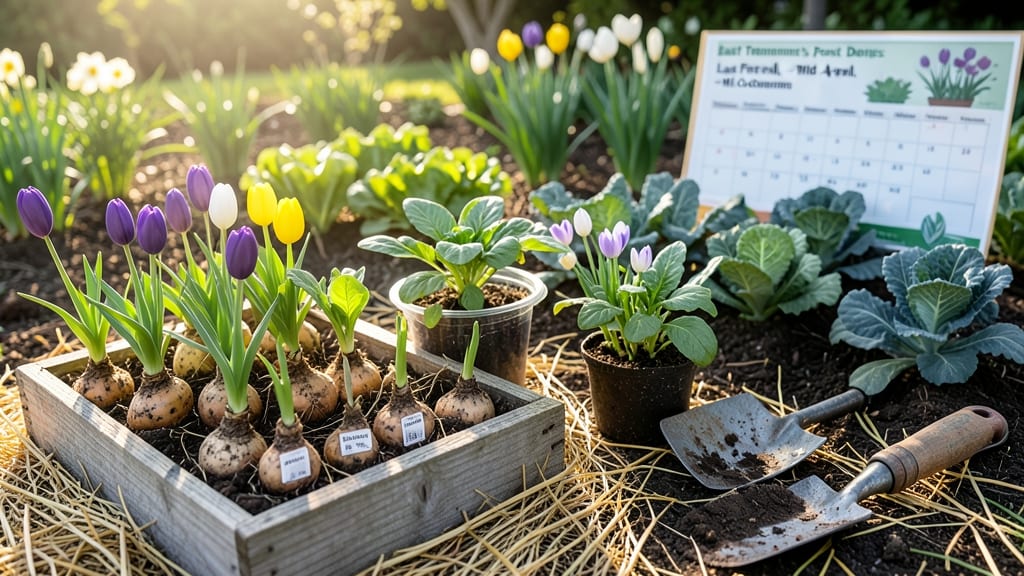
Planting your garden in East Tennessee at the right time means the difference between a bumper crop and a sad, frost-nipped disappointment.
East Tennessee’s unique mountain microclimates can turn a simple gardening calendar into a high-stakes guessing game—plant too early and face frost, too late and miss peak harvests. But with the right timing for Zone 7a/7b, you can grow a thriving garden that outperforms your neighbors’.
The key is knowing your last frost date—typically around April 15—and adjusting for your specific location, whether you’re in a sheltered valley or on a ridge where cold air pools.
Cool-season crops like lettuce and peas can go in as early as late March, while heat lovers like tomatoes need to wait until soil warms to 60°F in late April or early May.
Below, I’ll break down the exact planting windows for your favorite vegetables, flowers, and perennials, plus how to tweak the schedule for high-altitude spots like the Great Smoky Mountains. No more guessing—just microclimate-smart timing for your East Tennessee garden.
East Tennessee planting calendar by month: frost dates, soil temps, and best crops
East Tennessee’s Zone 7a/7b climate means your planting schedule hinges on frost dates and soil temperatures that shift dramatically between valleys and mountain ridges. The average last frost date is around April 15, but high-altitude areas like the Great Smoky Mountains can experience frost up to May 1.
Meanwhile, urban heat islands in Knoxville or Chattanooga may warm up 1-2 weeks earlier. Understanding these variations ensures your tomatoes, blueberries, and native wildflowers thrive.
To maximize yields, focus on cool-season crops like spinach and kale in early spring, then transition to heat-loving plants such as peppers and okra once soil reaches 60°F. Fall planting starts in mid-August, with broccoli and carrots benefiting from cooler September temperatures.
Below, we break down month-by-month planting windows, including soil temp requirements and microclimate adjustments for East Tennessee’s diverse landscapes.
| Month | Soil Temp (°F) | Last Frost | Best Crops to Plant | Microclimate Tip |
|---|---|---|---|---|
| March | 40-50°F | Late March (valleys) - Early April (ridges) | Peas, spinach, lettuce, kale, onions, potatoes | Start seeds indoors for tomatoes and peppers; protect with row covers if frost threatens. |
| April | 50-60°F | Mid-April (lowland) - Early May (highland) | Carrots, radishes, broccoli, cabbage, beans, cucumbers | Wait until soil warms to 55°F+ for squash and melons; ridge gardens may need 1-2 weeks later. |
| May | 60-70°F | N/A (post-frost) | Tomatoes, peppers, eggplant, corn, sweet potatoes, basil | Plant heat-lovers after May 15; use mulch to retain moisture in urban heat zones. |
| June | 70-80°F | N/A | Okra, southern peas, sweet corn, pumpkins, herbs (rosemary, thyme) | Prioritize succession planting for lettuce and beans; high-altitude areas may need shade cloth. |
| July | 75-85°F | N/A | Green beans, cucumbers, zucchini, basil, marigolds | Focus on water conservation; drip irrigation works best in drought-prone ridges. |
| August | 70-75°F | First frost risk late month | Broccoli, carrots, kale, radishes, spinach, pansies | Start fall crops early in valleys; ridge gardens can wait until mid-August. |
| September | 60-70°F | Mid-October (valleys) - Early Nov (ridges) | Cabbage, Brussels sprouts, garlic, onions, lettuce | Extend season with cold frames; blueberries benefit from fall fertilization. |
| October | 50-60°F | Mid-October | Garlic, cover crops (clover, rye), spring-blooming bulbs | Plant garlic in October for next year’s harvest; ridge areas may need row covers. |
For cool-season crops, like spinach and peas, aim to plant 4-6 weeks before your last frost date. In East Tennessee’s Zone 7
How microclimates in East Tennessee affect your planting schedule (and how to adapt)
East Tennessee’s dramatic mountain topography creates wildly different growing conditions within just a few miles. While Knoxville’s urban areas average Zone 7b, ridge tops like Clingmans Dome plunge into Zone 6, and sheltered valleys can mimic Zone 8.
These variations mean your neighbor’s planting schedule might kill your garden—and vice versa.
Three key factors shift your last frost dates: elevation (every 1,000 feet up delays spring by 3-5 days), slope aspect (south-facing hills warm faster), and urban heat islands (asphalt and buildings can add 5-10°F to city gardens).
Ignoring these means risking frost damage to tender crops or missing optimal harvest windows.
Here’s how to adjust your timing based on where you garden in East Tennessee’s diverse landscape:
| Microclimate Type | Key Characteristics | Last Frost Date Shift | Planting Adjustments |
|---|---|---|---|
| Mountain Ridges (3,000'+) | Cold air pools; Zone 6 conditions; south slopes warm faster | 2-3 weeks later than valley | Start hardy crops (kale, peas) 2 weeks earlier; delay tomatoes/peppers until May 20 |
| Valley Floors (1,500'-2,000') | Warmer air sinks; Zone 7b; frost pockets at bottom | 1 week earlier than ridges | Plant warm-season crops by April 15; use row covers for late frosts |
| South-Facing Slopes | Warms 10-15°F faster than north slopes; dries out quicker | 10-14 days earlier | Ideal for early tomatoes and peppers; mulch heavily to retain moisture |
| Urban Heat Islands | Pavement and buildings create micro-Zone 8 pockets | Up to 2 weeks earlier | Extend fall planting to October 1; watch for heat stress in summer |
For ridge-top gardens, I recommend starting seeds indoors by March 1 for transplants ready by late April. Use black plastic mulch to warm soil faster on south-facing slopes, while north-facing areas benefit from cold frames to extend the season.
In urban Knoxville, I’ve seen sweet potatoes thrive when planted June 15—two months later than rural areas.
Pro tip: Monitor your local CoCoRaHS weather station (many exist in East Tennessee) for hyper-local frost alerts. Adjust your schedule by 3-5 days per 500 feet elevation change, and always plant cold-hardy crops like broccoli and cabbage 2-3 weeks before your expected last frost date.
Even a 10°F temperature swing can mean the difference between a bountiful harvest and a sad, wilted mess.
Remember, fall planting offers another chance to adapt: high-elevation gardens can grow spinach until November 15, while valley gardens might squeeze in radishes until December 1. The key is observing your microclimate’s unique patterns year after year.