
Planting
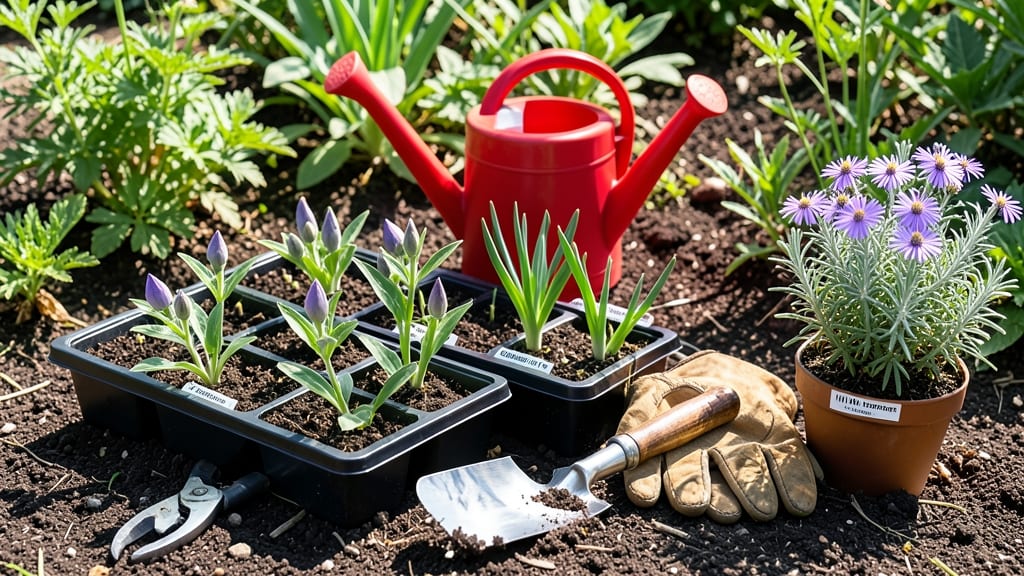
Planting a garden in Colorado means timing it just right—spring planting starts 2-3 weeks after your last frost, but the exact window depends on whether you're in Denver’s 5,000-foot valleys or a 9,000-foot mountain meadow.
Miss the mark, and you’ll either lose tender seedlings to a surprise frost or watch your tomatoes bolt before they ripen. The good news? Colorado’s dramatic elevation shifts create microclimates where a neighbor’s garden thrives while yours struggles—until you learn the local rules.
Below, I break down the real planting deadlines by elevation zone, from Front Range suburbs to high-altitude gardens, plus how to adjust for urban heat islands, wind, and hail-prone areas. No more guessing—just data-backed timing for your 🌱 General Garden Plants.
You’ll also discover how to stretch short seasons with row covers, pick the hardiest varieties for your zone, and avoid the three biggest mistakes Colorado gardeners make every year.
Colorado planting zones by elevation: frost dates and safe planting windows
Colorado’s elevation-driven climate creates wildly different planting windows—what works in Denver (5,280 ft) fails in Aspen (8,000 ft). The last frost dates shift dramatically, forcing gardeners to adjust timelines by weeks or even months depending on their location.
Understanding these zones helps you avoid frost damage to tender seedlings while maximizing your growing season.
CSU Extension data shows three key regions with distinct frost patterns: the Front Range (2,500–6,500 ft), the Western Slope (4,000–7,500 ft), and mountain regions (6,500–10,000+ ft). Each has unique heat zones for warm-season crops like tomatoes and peppers versus cool-season staples such as spinach and carrots.
Let’s break it down by elevation so you can plant with confidence.
| Elevation Zone (ft) | Last Frost Date | First Frost Date | Warm-Season Planting Window | Cool-Season Planting Window | Frost-Free Days |
|---|---|---|---|---|---|
| 2,500–4,000 (Eastern Plains) | April 1–April 15 | October 15–October 30 | April 15–May 15 | March 1–April 1 or Aug 15–Sept 15 | 150–180 days |
| 4,000–6,500 (Front Range: Denver, Boulder) | April 15–May 1 | October 1–October 15 | May 1–June 1 | March 15–April 15 or Aug 1–Sept 1 | 120–150 days |
| 6,500–8,000 (Western Slope: Grand Junction, Durango) | May 1–May 15 | September 15–October 1 | May 15–June 10 | April 1–May 1 or July 15–Aug 15 | 90–120 days |
| 8,000–10,000+ (Mountains: Aspen, Telluride) | May 15–June 1 | September 1–September 15 | June 1–July 1 (shortened season) | May 1–June 1 or July 1–Aug 1 | 60–90 days |
For Front Range gardeners (Denver/Boulder), the last frost date typically lands between April 15 and May 1, giving you a 120–150 day growing season.
This means warm-season crops like tomatoes and peppers should wait until mid-May, while cool-season veggies like spinach and carrots can start as early as mid-March for a spring harvest or mid-August for fall.
In high-altitude zones (8,000+ ft), the season shrinks dramatically—expect only 60–90 frost-free days. Here, fast-maturing varieties are a must. Plant warm-season crops like bush beans or zucchini by early June and prioritize cold-hardy greens such as kale or Swiss chard for fall harvests.
Row covers can extend your window by 2–4 weeks in these areas.
On the Western Slope (Grand Junction, Durango), you’ll find a longer growing season than the Front Range due to lower humidity and more sunlight. The last frost date here is often May 1–15, allowing you to plant tomatoes and peppers by early May.
However, nighttime temperatures can still dip below freezing in late spring, so use frost cloth for sensitive plants.
Pro tip: Adjust for microclimates—a south-facing slope warms up faster than a north-facing yard, potentially shifting your planting window by 1–2 weeks. Urban areas like Denver’s downtown can be 5–10°F warmer than suburbs, letting you plant warm-season crops 2–3 weeks earlier.
Always check local weather patterns for the past 5 years to refine your timing.
For container gardening in high-altitude areas, choose compact varieties of warm-season crops like ‘Patio’ tomatoes or ‘Bush’ peppers. These mature faster and tolerate cooler soils. Pair them with cold-hardy companions like radishes or lettuce to maximize your small space during the short season.
Remember:
Microclimate adjustments: how urban heat islands and mountain slopes shift planting times
Denver’s urban heat islands can push last frost dates 2-3 weeks earlier than rural areas, while north-facing slopes may delay planting by 1-2 weeks. These microclimates create unique challenges for Colorado gardeners.
I’ve seen tomatoes thrive in city heat zones that would bolt in cooler mountain gardens—timing is everything. Understanding these shifts helps you adjust planting schedules without risking frost damage or missed harvests.
Wind exposure adds another layer of complexity. Gardens near open plains or mountain passes experience drier soil and faster evaporation, often requiring earlier watering and sturdier plant supports. Meanwhile, sheltered valleys can trap cold air at night, creating unexpected frost pockets even after official frost dates.
These variations mean your neighbor’s planting calendar might not match yours—even if you’re just a few blocks apart.
For seed-starting indoors, urban heat zones let you begin 3 weeks earlier than standard charts suggest. I’ve had pepper seedlings ready for transplant by early April in my Denver backyard when rural gardeners were still waiting until May.
Conversely, mountain gardeners above 8,000 feet should delay seed-starting by 1-2 weeks to avoid leggy, weak seedlings that struggle with transplant shock.
Direct sowing follows similar rules but with even more dramatic shifts. In windy areas, I’ve learned to plant radishes and lettuce 1-2 weeks earlier than the calendar suggests, using temporary windbreaks made from straw bales to protect young plants.
Meanwhile, north-facing slopes often need a 2-week delay for heat-loving crops like cucumbers and eggplants to avoid stunted growth from lingering cool temperatures.
Pro tip: Use frost-sensitive plants like basil as your microclimate indicator. If your basil thrives when neighbors’ plants wilt, you’re likely in a warmer microclimate and can safely plant heat lovers earlier.
Conversely, if your basil bolts while others’ stay green, you’re in a cooler pocket and should delay warm-season crops. These natural cues save more headaches than any planting chart ever could.
Remember, soil temperature matters more than air temperature. Use a soil thermometer to verify when your microclimate is truly ready. For urban areas, black plastic mulch can warm soil by 5-10°F, while shade cloth on mountain slopes helps retain heat.
These simple adjustments let you fine-tune planting times with precision, regardless of your specific microclimate.