
Planting
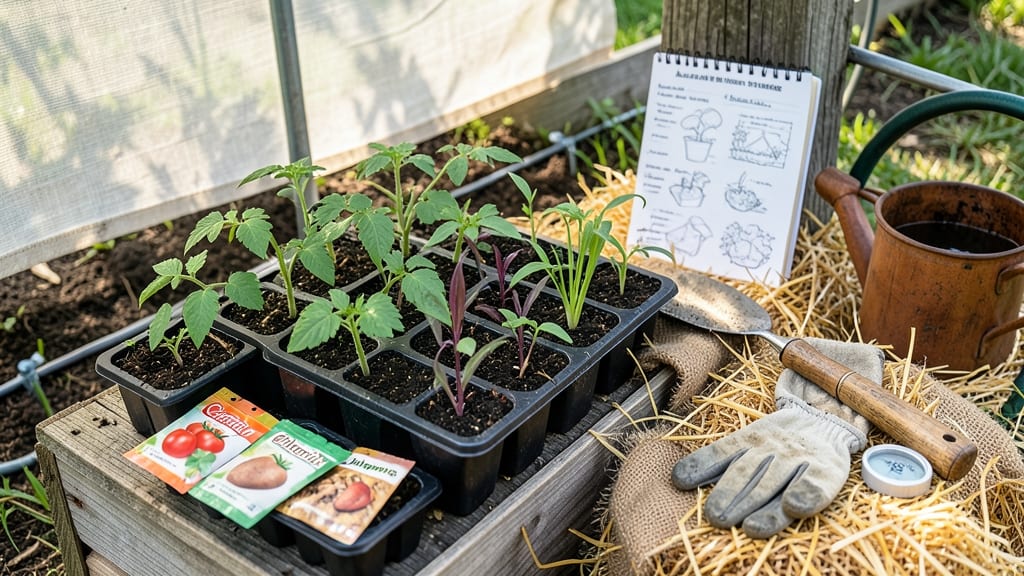
Planting a garden in Arkansas at the right time means the difference between a bountiful harvest and wasted effort — and the best window starts around mid-March for most zones.
Arkansas gardeners know timing is everything — plant too early and risk frost damage, too late and miss peak harvests. But with the state’s diverse USDA zones (7a-8b), knowing exactly when to plant can mean the difference between a thriving garden and a disappointing one.
Spring crops like broccoli and spinach need cool soil, while heat-lovers like okra and peppers wait until after the last frost. I’ll break down the exact deadlines by zone, plus how to adjust for Arkansas’ unpredictable weather.
You’ll discover the fastest-growing crops for your region, when to start seeds indoors, and how to stretch your growing season with simple tricks like row covers.
Arkansas planting deadlines by zone: exact dates for vegetables, flowers & herbs
Arkansas spans USDA zones 6a-8a, meaning your planting timeline varies from north to south. In zone 6a (northern Arkansas), last spring frosts average March 20-25, while zone 8a (southern Arkansas) sees last frosts by March 10-15.
These dates determine when to plant cool-season crops like broccoli and spinach versus heat-lovers like okra and peppers.
For spring planting, most Arkansas gardeners start seeds indoors in February for early varieties, then transplant outdoors after the last frost. Fall planting begins in August for cool-season crops that need time to mature before the first frost—typically November 10-25, depending on your zone.
Heat-tolerant crops like sweet potatoes, peppers, and okra thrive when planted in April-May after soil temperatures reach 60°F+. Meanwhile, cool-season vegetables such as lettuce, kale, and peas should be sown 4-6 weeks before your last frost date for a spring harvest, or again in late summer for fall production.
| Zone & Last Frost | Spring Planting Window | Fall Planting Window | Heat-Tolerant Crops | Cool-Season Crops |
|---|---|---|---|---|
| 6a (North AR) Last Frost: Mar 20-25 |
Mar 25 - Apr 15 | Aug 15 - Sep 10 | Peppers, Okra, Sweet Potatoes | Broccoli, Spinach, Peas |
| 7a (Central AR) Last Frost: Mar 15-20 |
Mar 15 - Apr 10 | Aug 10 - Sep 5 | Tomatoes, Eggplant, Southern Peas | Cabbage, Lettuce, Radishes |
| 8a (South AR) Last Frost: Mar 10-15 |
Mar 10 - Apr 5 | Aug 5 - Aug 30 | Cucumbers, Melons, Basil | Kale, Swiss Chard, Arugula |
In zone 6a, you can push the envelope by planting cold-hardy crops like potatoes and onions in late February under row covers. Meanwhile, zone 8a gardeners can extend their growing season by planting warm-season crops as early as February if using black plastic mulch to warm the soil.
Herbs like basil and cilantro thrive in Arkansas’ heat but should be planted after the last frost. Cilantro bolts quickly in summer, so it’s best sown in fall for a winter harvest, while basil loves the heat and can be planted as soon as soil is workable in spring.
For flowers, annuals like marigolds and zinnias can be direct-sown after the last frost, while perennials like daylilies and black-eyed Susans should be planted in spring or early fall. Bulbs like tulips need to be in the ground by November to establish roots before winter.
Arkansas’ humidity and heat make succession planting key for continuous harvests. Plant lettuce and radishes every 2 weeks in spring and fall to avoid bolting. Similarly, bush beans and cucumbers benefit from staggered plantings to extend your harvest window.
Always check soil temperatures before planting—most warm-season crops need soil at 60°F+, while cool-season crops prefer 40-50°F. Use a soil thermometer to avoid planting too early and risking frost damage.
Pro tip: Use row covers or cold frames to extend your spring planting window by 2-3 weeks in cooler zones. This lets you plant spinach and kale earlier for a head start on the season.
How to adjust planting times for Arkansas’ unpredictable weather patterns
Arkansas’ weather can shift overnight—one day you’re battling late spring frosts, the next sweltering under sudden summer heatwaves. These unpredictable swings make planting timing the most critical factor for success.
Unlike mild climates, Arkansas gardeners must account for humidity spikes, unpredictable frost dates, and soil temperature fluctuations that can stall or ruin crops.
I’ve learned the hard way that even a two-week delay can mean the difference between a bumper crop of tomatoes and wilted seedlings. The key is flexible planning—using tools like soil thermometers, frost-free date trackers, and season-extending covers to protect your garden from Mother Nature’s whims.
Let’s break down how to adapt your planting schedule when Arkansas throws curveballs.
⚠️ Warning: Arkansas’ Late Frosts Are Deceptive
Even after official last frost dates (typically mid-March), late frosts can strike until April 15 in northern Arkansas (Zone 6a). Southern Arkansas (Zone 8a) may see light freezes as late as March 30. Never plant heat-lovers like peppers or eggplants before May 1, or risk frost damage that stunts growth for weeks.
Start by checking soil temperatures—most cool-season crops (like lettuce or spinach) need soil at 40°F or warmer, while warm-season crops (like squash or beans) require 60°F+.
Use a soil thermometer to avoid guessing; I’ve seen 50°F soil in 70°F air during Arkansas’ unpredictable mornings. For seedlings, wait until soil stays above 55°F for 5+ days.
Extend your growing season with row covers or cold frames.
A lightweight frost cloth can protect early tomatoes or peppers from light frosts down to 28°F, while a cold frame lets you plant spinach or kale as early as February in Zone 7a. I’ve used row covers to push harvests 3-4 weeks earlier for spring greens and 3 weeks later for fall crops.
Monitor local frost alerts from the National Weather Service or Arkansas Cooperative Extension. Their frost-free date maps adjust yearly—last year’s March 15 date might shift to March 22 this year.
For heat-sensitive crops like cucumbers, start seeds indoors 4-6 weeks before your average last frost, then transplant after May 10 to avoid bolting.
Don’t forget succession planting for fast-growing crops like radishes or bush beans. In Arkansas, you can plant radishes every 2 weeks from March to September and still harvest before heat stress sets in.
For slow growers like broccoli, use shade cloth in July/August to prevent bolting from sudden heat.
When in doubt, start small. Test a few cold-hardy crops (like peas or potatoes) 2 weeks early—if they survive, you’ve gained valuable harvest time. And always keep a journal of your planting dates, soil temps, and weather notes.
After 3 years of tracking, I’ve cut my frost losses by 80%—and you can too.